Chemical Degradation
Ambient storage conditions can alter the chemical composition of alkaline wet-processed fabrics before they reach the dye bath. Exposure of alkaline residues on wet fabric to carbon dioxide in the air initiates atmospheric carbonation, which lowers the fabric pH and forms insoluble carbonates. This reaction limits the effectiveness of subsequent wash cycles.
Storage Risk
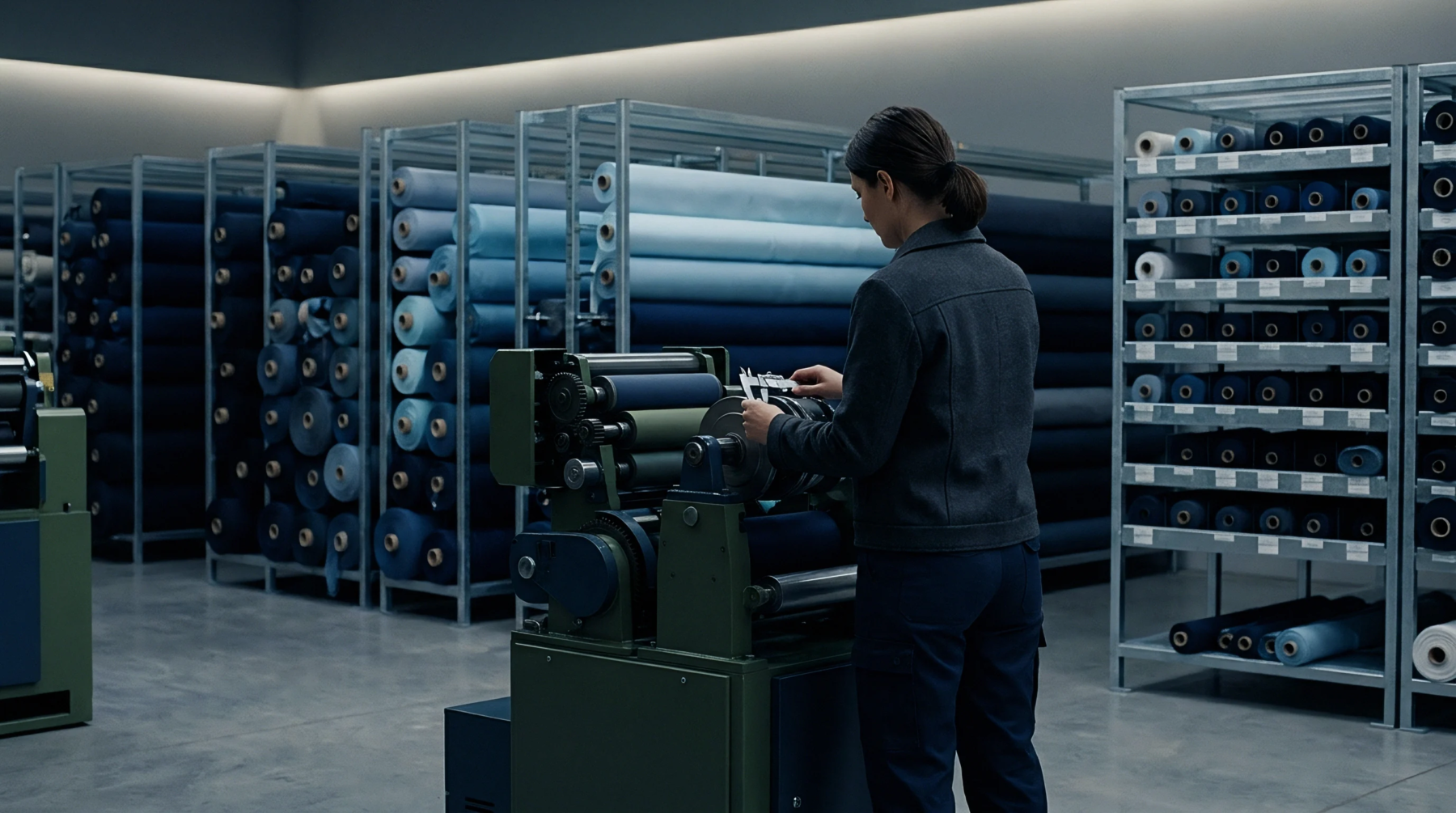
Packed or folded goods waiting on the factory floor present different exposure zones to the surrounding air. The edges of fabric rolls undergo atmospheric carbonation much faster than the inner layers. This localized action produces shade variation across the width of the fabric during subsequent reactive dyeing.
Measurement Method
Monitoring the chemical change involves tracking the presence of bicarbonate and carbonate ions on the fiber surface. Laboratory testing utilizes acid-base titration of fabric extracts or surface pH indicator sprays to reveal the depth of carbonation. If the surface pH drops from eleven to nine without a wash step, the chemical shift confirms that atmospheric carbonation has occurred.
Dry storage prevents this uneven degradation from developing.
Neutralization Phase
Remediation of carbonated fabrics requires an acid wash to dissolve the formed salts. This neutralization phase restores the fabric to a uniform neutral pH before finishing.