Surface Modification
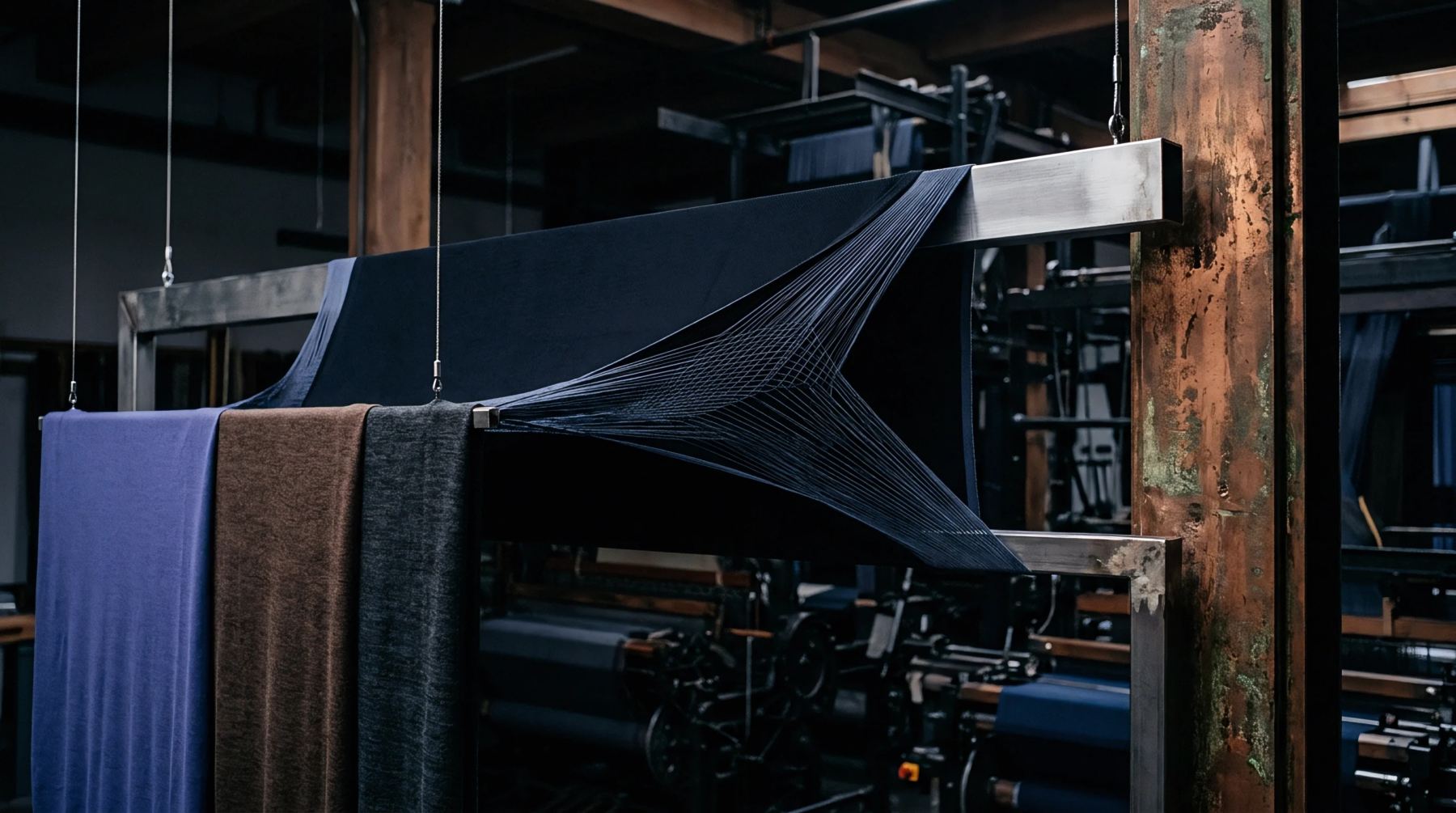
A mechanical finishing effect occurs when heat and pressure compress the surface of a textile between heavy rollers. Through calender flattening, the fabric thickness is reduced while the surface smoothness and luster increase. This process applies primarily to woven synthetic and cotton fabrics to alter their tactile quality and reduce yarn slippage under stress.
The standard does not cover chemically bonded nonwovens.
Mechanical Compression
The action of the heavy steel and composite rollers squeezes the round yarn profiles into elliptical or flat shapes. This change reduces the air permeability of the fabric because it fills the small spaces between the warp and weft threads. The level of flattening depends on the temperature of the roll.
Thickness Reduction
Excessive pressure can weaken the fabric by crushing the individual fibers. In nylon and polyester materials, the combination of high heat and pressure can glazed the surface, creating an stiff hand. The treatment must be carefully calibrated to avoid damaging the textile structure.
Fabric Alteration
Garment manufacturers inspect the treated fabric to ensure the surface change is uniform across the entire roll. Unplanned variation in flattening can cause inconsistent shading and sewing difficulties during apparel assembly. The finished fabric is tested for thickness and air flow to verify the consistency of the mechanical treatment.