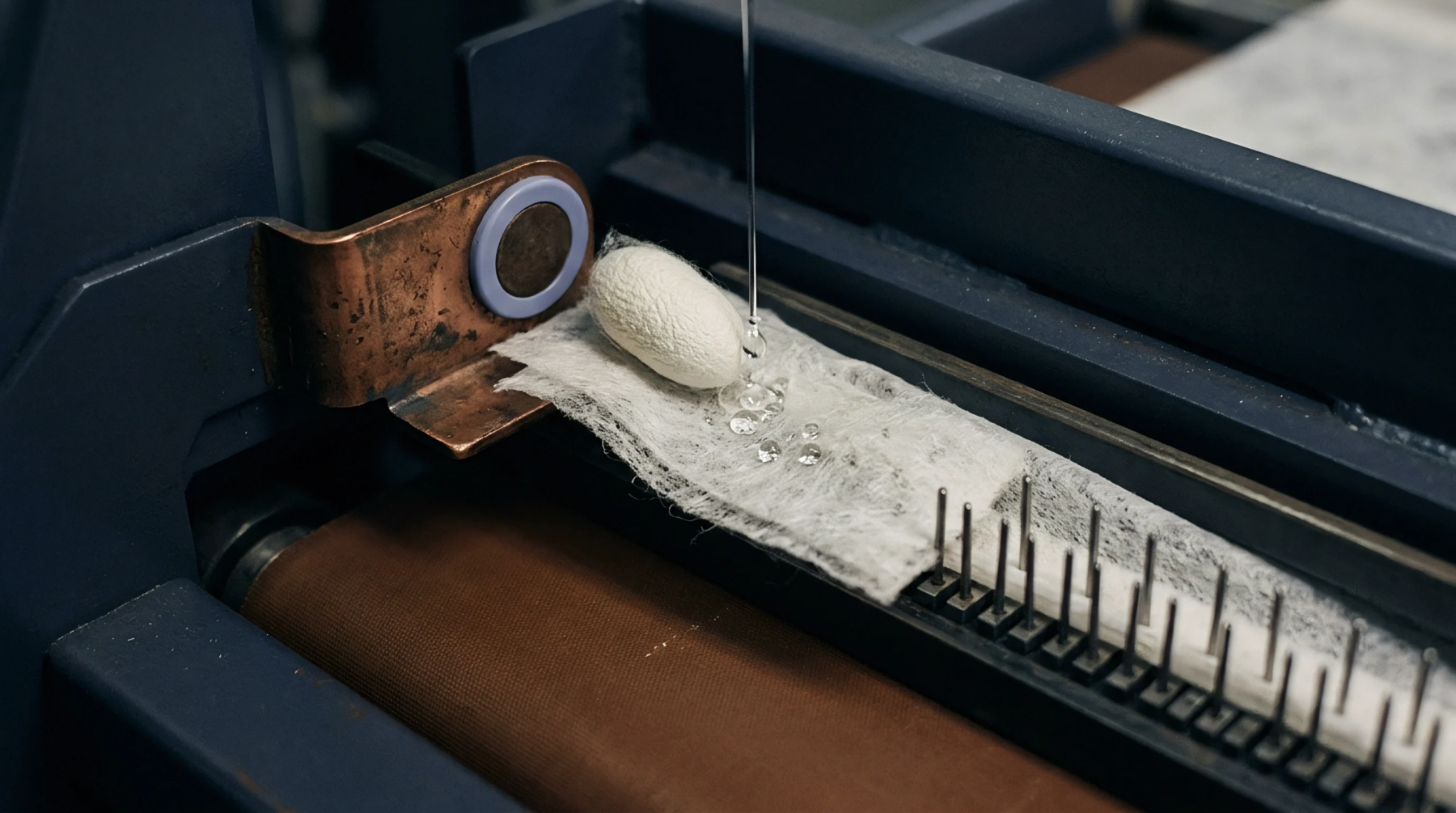
Thermochemical Pathway
Thermal degradation process using heat and chemical catalysts to break down complex polymer chains into valuable smaller molecules. High quality catalytic pyrolysis converts waste synthetic textiles into liquid oils or gases that can be refined into new monomers. By lowering the required activation energy, the catalyst allows the reaction to occur at lower temperatures than traditional thermal methods.
This efficiency reduces energy consumption during the recycling of blended fabrics.
Reaction Chemistry
Zeolite or metal based catalysts provide the active sites where the polymer molecules are fractured. The presence of these agents during catalytic pyrolysis influences the distribution of the final products, favoring the creation of aromatic compounds or specific olefins. Selecting the correct catalyst determines whether the output is suitable for fuel or for high value chemical regeneration.
Feedstock Preparation
Contaminants such as dyes and moisture must be minimized to protect the catalyst from poisoning. Preprocessing stages for catalytic pyrolysis often include mechanical shredding and washing to ensure a consistent feed. Careful sorting of input materials prevents chlorine or sulfur from damaging the reactor internals.
Process Output
Distillation stages following the reactor separate the resulting vapor into specific fractions. These recovered liquids provide a drop in replacement for petroleum based feedstocks in the production of virgin quality polyester or nylon.