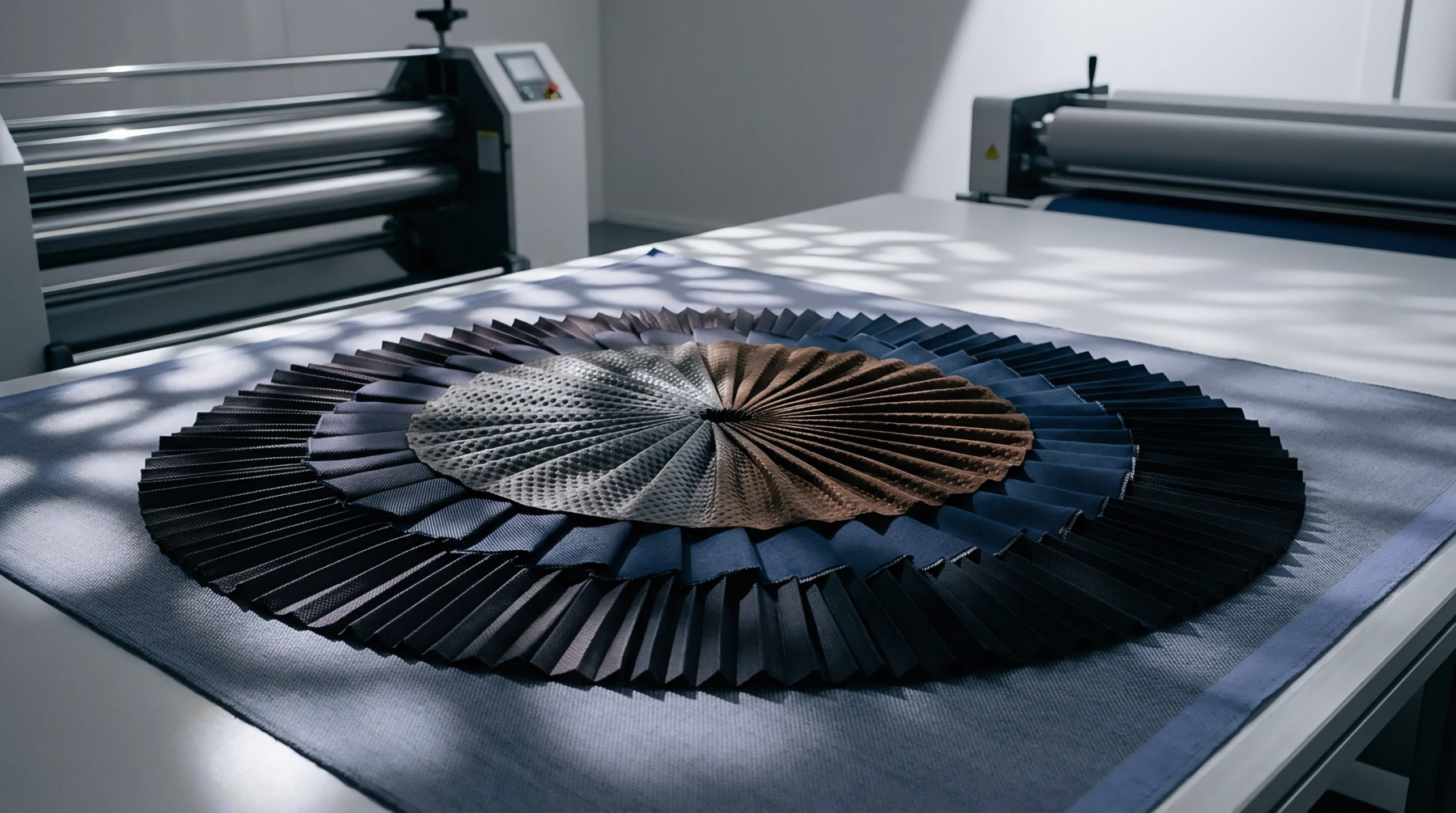
Pneumatic Compaction
Mechanical pressing systems within carding chutes condense disorganized tufts into a continuous, uniform lap for delivery to the feed roll. In modern high-speed carding, chute feed compression maintains a steady density across the width of the machine by applying constant air or mechanical pressure. This prevents fluctuations in the weight per unit length of the output sliver.
Density Regulation
Pressure sensors inside the chute monitor the resistance of the accumulated cotton tufts. If the density drops below the setpoint, chute feed compression increases to densify the column. The feed roll speed adjusts dynamically to ensure a constant mass is delivered to the taker-in.
Tuft Delivery
Compressed fiber mats enter the carding zone with uniform resistance to the combing action of the wire. Uneven feeding leads to thick and thin places in the card sliver, which cannot be fully corrected by autolevellers at the draw frame. The action of chute feed compression also prevents the pluck-in of large tufts, which would otherwise damage the card wire or cause nep generation.
This continuous regulation ensures that the density of the fiber stream remains stable regardless of small variations in the blowroom supply line.
Yarn Uniformity
Consistency in the carding feed directly improves the coefficient of variation in the spun yarn. Uniform sliver translates to fewer breakages in downstream processes.