Phase Transition
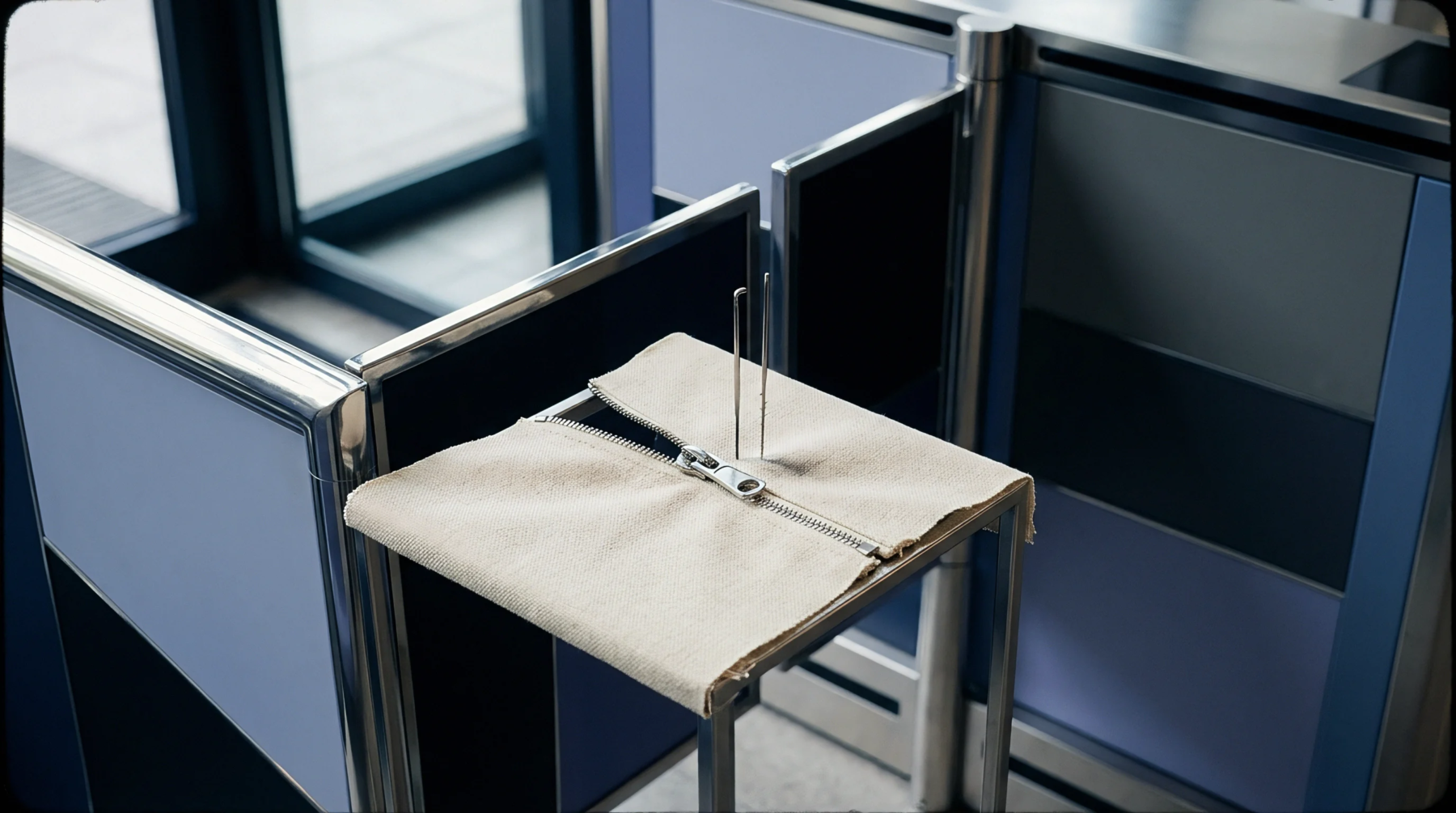
Formation of liquid water from atmospheric vapor occurs when the temperature of a surface falls below the saturation point of the surrounding air. Within a shipping container, dew point condensation creates droplets on the ceiling or walls that eventually drip onto the textile cargo. This phenomenon is often the result of warm, moist air from a tropical loading port cooling down as the vessel moves into temperate waters.
Cargo Damage
Liquid water resulting from dew point condensation leads to localized staining and the growth of mold on organic fibres like linen or cotton. The presence of free water also triggers the bleeding of dyes that are not fully fixed, ruining the visual appearance of the finished garment.
Mill Environment
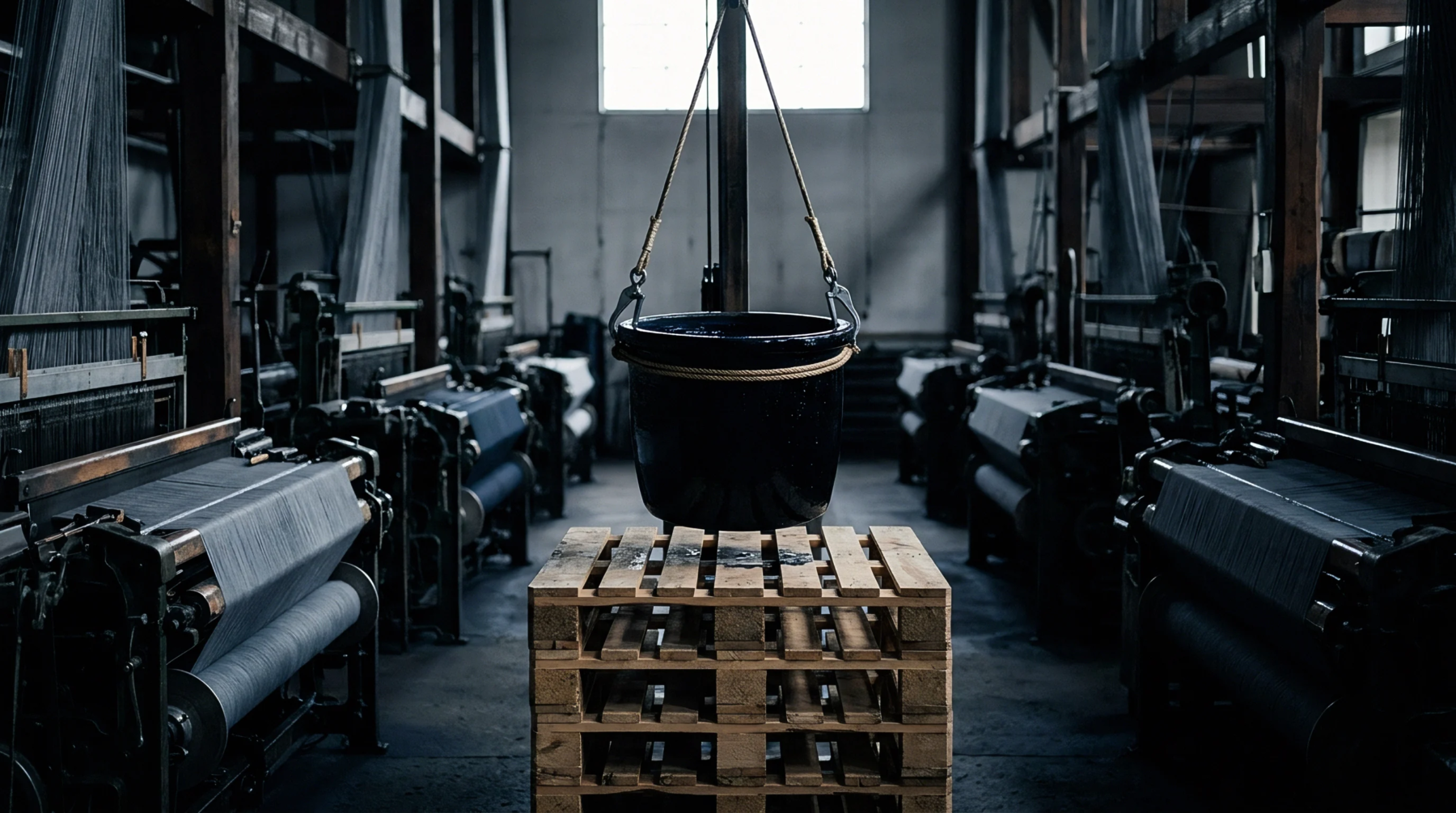
Factory roofs without insulation frequently experience dew point condensation during winter months when the internal humidity from dyeing processes is high. Strategic ventilation and heating are necessary to prevent water from falling onto machinery or fabric rolls awaiting inspection.
Prevention Method
Desiccants and moisture barriers are the primary tools used to lower the internal humidity and stop dew point condensation from occurring. Proper sealing of the container ensures that no additional moisture enters from the outside environment during the transit.