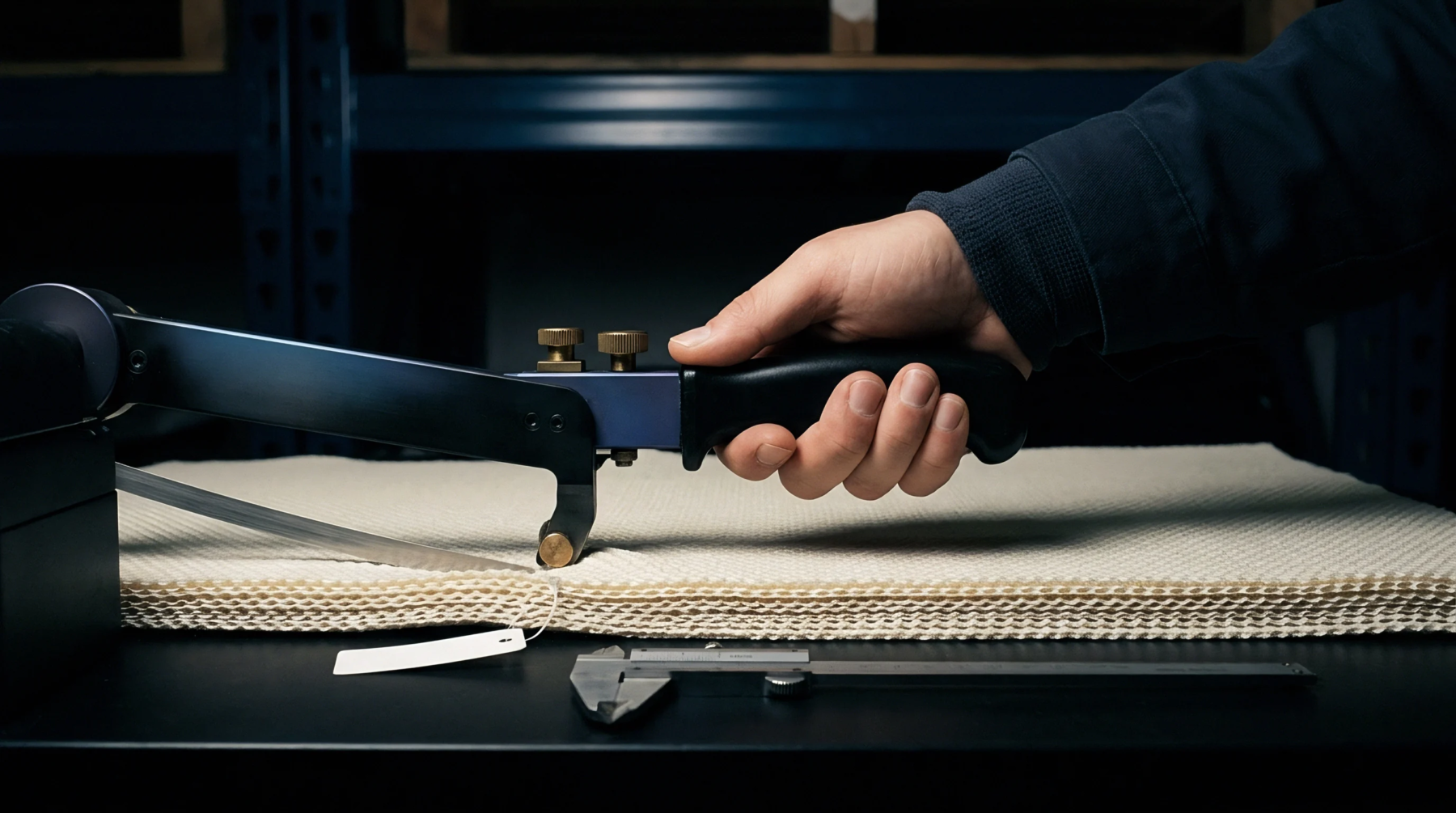
Swatch Sampling Position Deciding Whether a Batch Passes
Physical swatch position across fabric width and length determines chemical compliance, requiring three-point cross-web sampling to validate batch pass status.
A formal rejection dossier constitutes the binding technical documentation generated when a production batch fails to meet the specific quality requirements defined in the procurement contract. The formal rejection dossier documents the precise variance between the measured physical property of a fabric sample and the agreed quality benchmark established during the initial stage of production. It functions as the permanent evidentiary record within the quality management system that justifies the non-acceptance of a shipment.
Inspectors compile these files at the destination warehouse or the dye house laboratory to prevent the entry of sub-standard textiles into the retail supply chain. The record tracks the specific defect class, including chemical fastness failures or dimensional instability, and maps these failures against the approved mill standards.
The document initiates a mandatory quarantine period for the inventory until a formal decision regarding remediation or disposal occurs. Laboratory technicians utilize the formal rejection dossier to categorize the specific failure mode according to established industry codes for fibre composition or tensile strength. Each entry within the file provides a chronological account of the testing procedure, listing the humidity levels at the time of analysis and the calibration status of the equipment.
Managers apply the information contained within the folder to calculate the potential financial recovery from the supplier based on the volume of degraded material. The file acts as a technical audit trail that supports the resolution of payment disputes between the manufacturer and the sourcing entity. Accurate documentation prevents the incorrect reclassification of defect types and ensures the technical integrity of the quality assessment process.
The compilation includes scanned copies of the original test request form alongside the analytical outputs from the equipment used for the evaluation. These records also contain the physical garment specifications that identify the required property thresholds for the specific fabric construction. Analysts attach digital photographs of the surface texture or yarn distortion observed under the microscope to demonstrate the presence of the fault.
The formal rejection dossier incorporates the chain of custody logs that verify the integrity of the samples from the point of extraction until the arrival at the testing site. Every page adheres to a standardized format that matches the requirements for international auditing protocols. Consistent documentation practices allow the organization to correlate specific manufacturing errors with recurring performance issues in the final apparel products.
The existence of the formal rejection dossier shifts the obligation for remediation back onto the producer who supplied the goods. Any production facility possessing a high volume of these records faces stricter inspection intervals for future shipments to ensure consistent compliance. Organizations use the data aggregated within these dossiers to identify systemic failures in the dyeing or finishing lines of their suppliers.
The final determination of salvage or destruction rests entirely upon the objective data contained within these files.
Physical swatch position across fabric width and length determines chemical compliance, requiring three-point cross-web sampling to validate batch pass status.
Expertise is a utility, not a secret. sentiention™ publishes its working knowledge as open reference: intelligence layer covering the materials it sources, the markets it enters, and the reference that serves both.