Global Standard
A globally recognized classification framework categorizes the stickiness level of cotton lint based on the density of sticky spots produced during heating and pressing tests. The itmf stickiness classification is published by the International Textile Manufacturers Federation to offer standardized grading zones that buyers and sellers use to settle quality disputes. By establishing a uniform numerical scale, it replaces subjective hand-feel tests with reliable instrumental measurements.
Instrumental Method
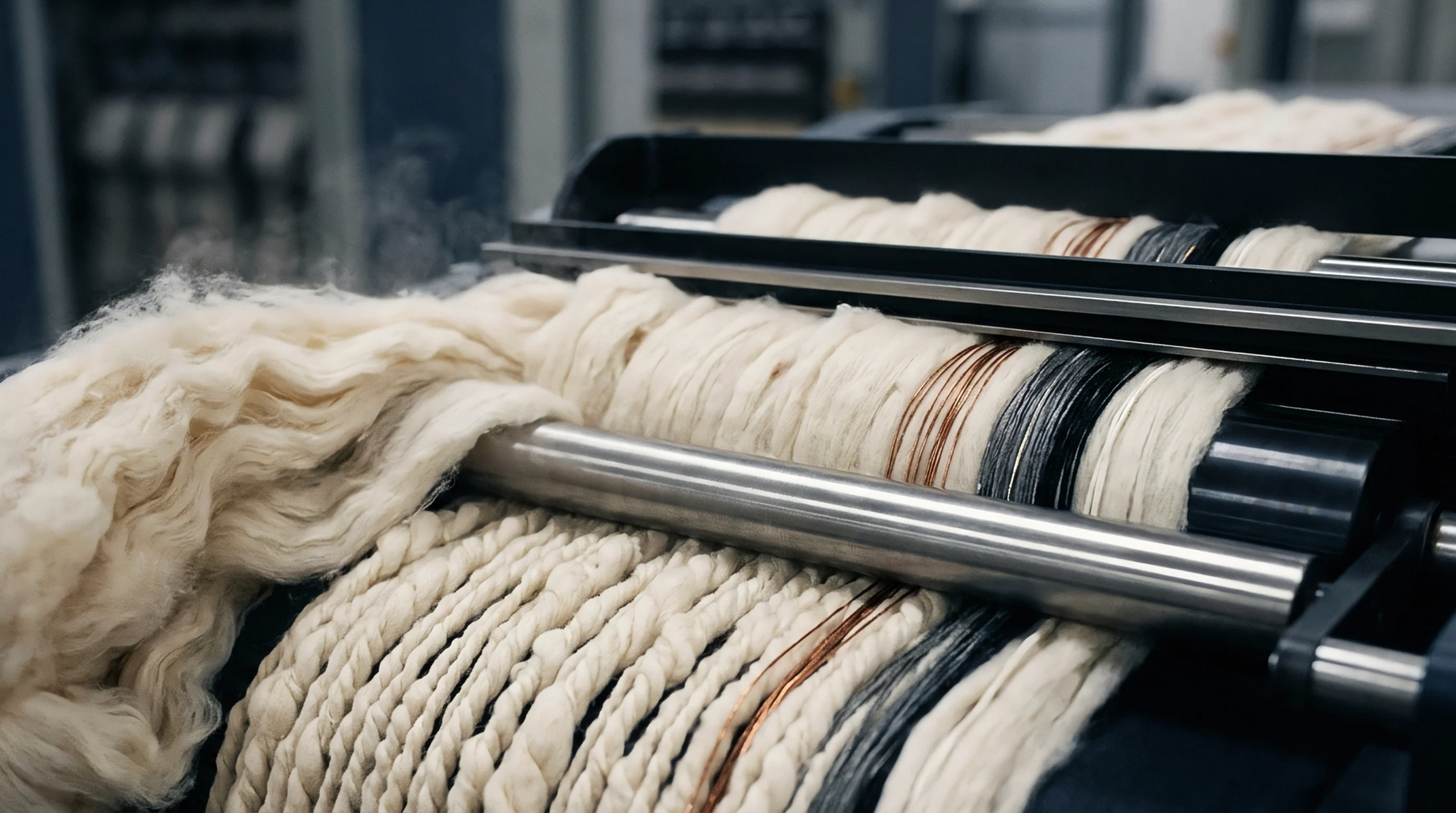
Testing relies on specialized devices such as the high speed stickiness detector or the thermodetector, which apply heat and pressure to a cotton sample. Honeydew droplets melt and stick to clean plastic sheets, creating distinct sticky deposits. These spots are scanned and counted automatically by the detector to determine the stickiness grade of the cotton bale.
Sticky Grade
The resulting count is divided into four main classes ranging from non-sticky to highly sticky. Cotton bales falling into the higher classes are flagged for special treatment or mixed into large, dry blends to dilute their impact on spinning machinery.
Trade Benefit
This standardized rating system reduces commercial risks for yarn spinning mills by ensuring that raw material contracts specify maximum allowable stickiness limits. This contract specification protects buyers from receiving unprocessable bales.