Visual Assessment
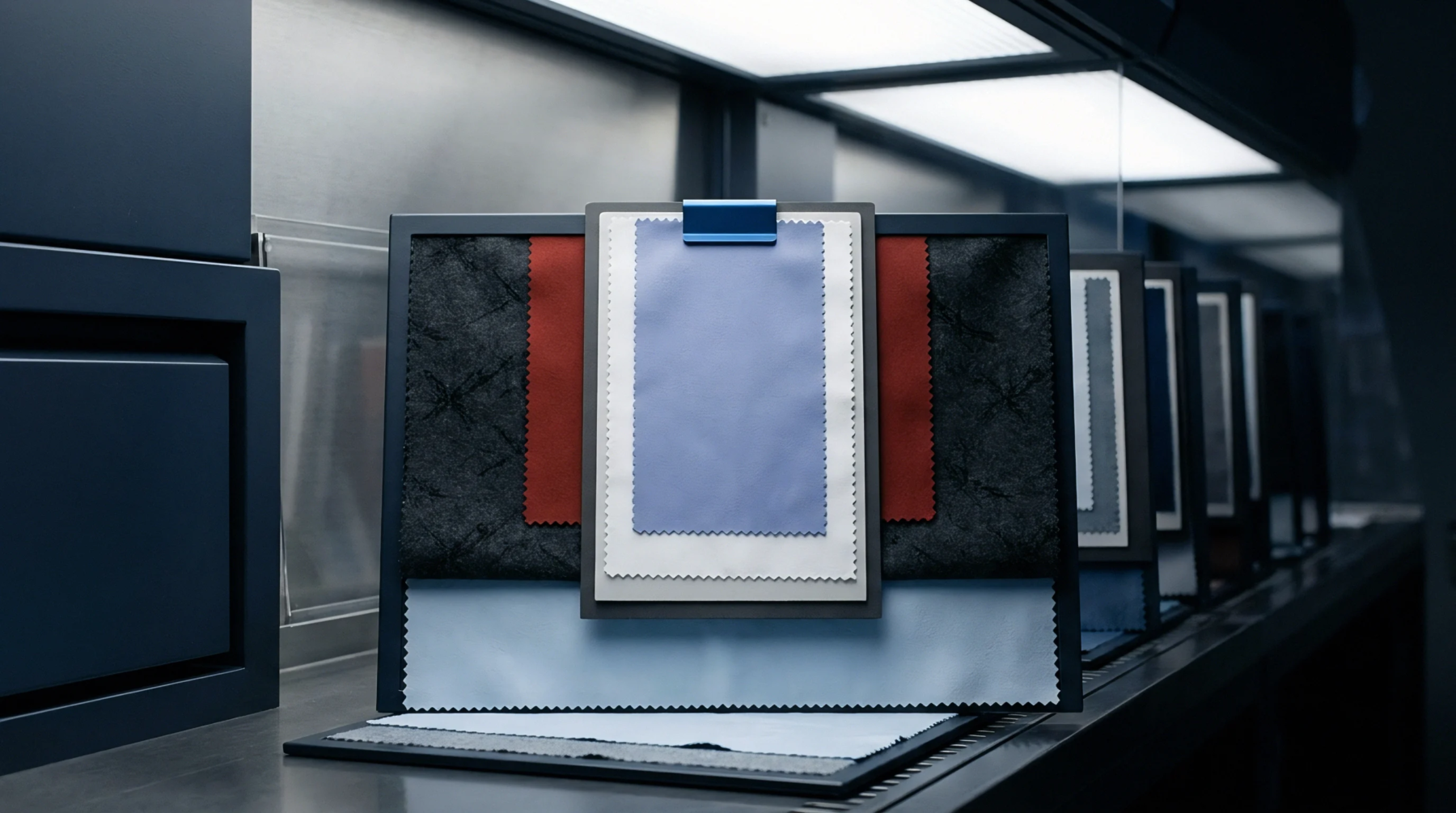
The visual assessment of color samples under multiple standardized light sources occurs within a controlled viewing enclosure. Textile colorists perform light box evaluation to catch color mismatches and metamerism that instrumental readings might miss. This manual inspection acts as the final gatekeeper before a dyed fabric lot is approved for garment construction.
Controlled Environment
The interior of the viewing chamber is painted with a neutral grey paint to prevent surrounding colors from influencing the observer’s eyes. Multiple lamps are mounted in the top of the chamber, allowing the operator to switch between artificial daylight, store fluorescent light, and home incandescent light. During the test, the technician places the production sample and the master standard side by side on a forty-five degree angled board.
By viewing them from a direct ninety-degree angle, the operator can see if the colors match across all lighting conditions. This is essential for preventing garments from changing color when a customer steps out of a dressing room.
Quality Protocol
Standard protocols require the inspector to rest their eyes between evaluations to avoid fatigue. Long sessions of color matching can dull the observer’s sensitivity to subtle differences in red or green.
Human Error
Although highly useful, this visual test is subjective and varies depending on the age and color vision of the inspector. Regular color acuity testing of all inspectors is required to maintain a consistent standard.