Engineered Sizing Polymer
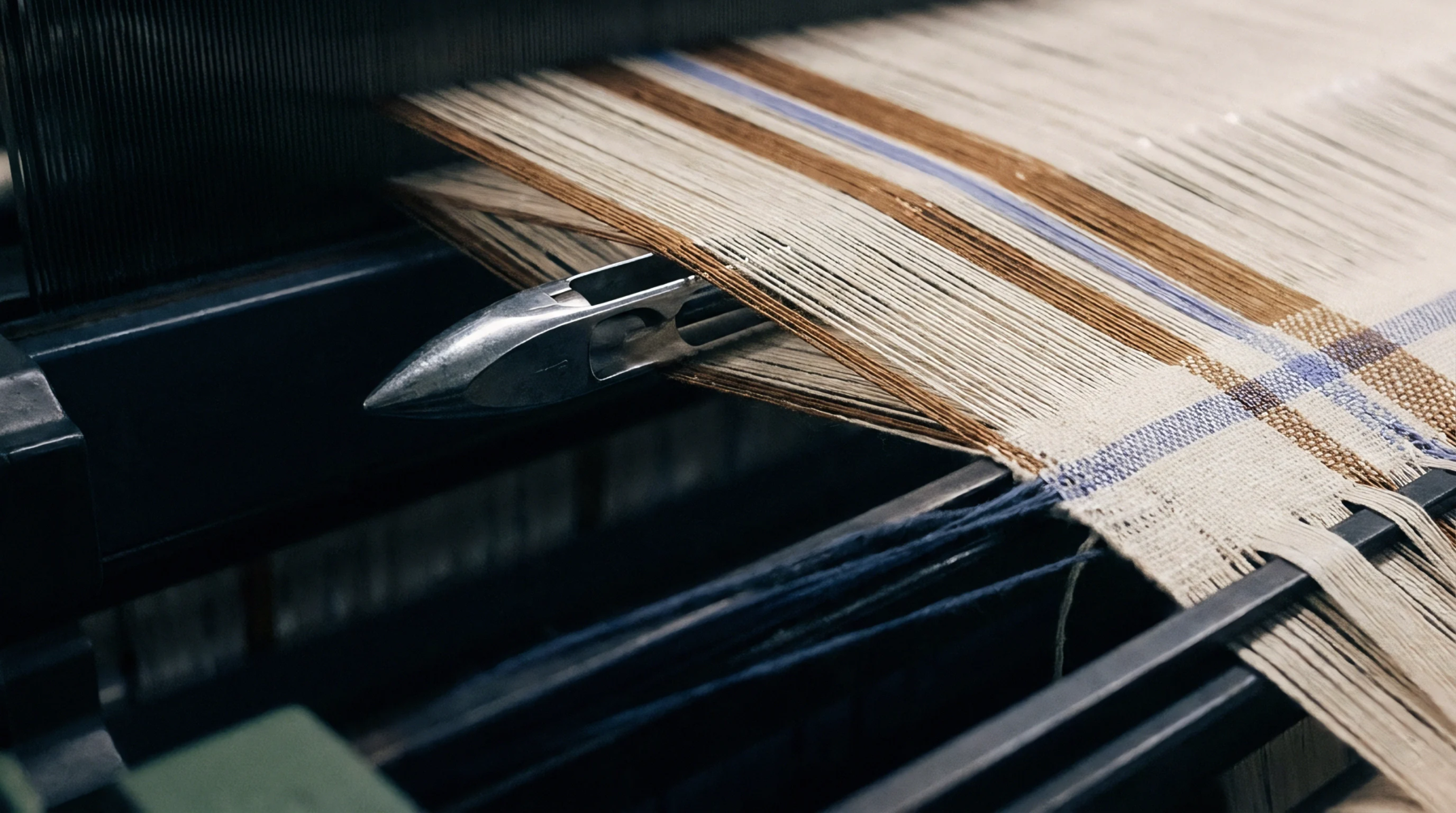
Chemically, physically or enzymatically altered natural plant starches serve as high-performance adhesives, binders and film-forming agents in textile warp preparation and fabric finishing. Modified starch exhibits altered gelatinization temperatures, stable paste viscosities and reduced retrogradation tendencies relative to raw native starches derived from corn, tapioca, potato or wheat. Weaving operations employ these polymers within warp sizing formulations to coat single yarns, shielding yarn cores from high friction and tension on fast air-jet and rapier looms.
The classification encompasses cross-linked, substituted and converted polysaccharides, while pure synthetic sizing materials like polyvinyl alcohol, polyacrylates and carboxymethyl cellulose remain separate categories.
Chemical Tailoring
Chemical transformations introduce functional ether or ester side groups onto the anhydroglucose units of the amylose and amylopectin macromolecular chains. Hydroxyethylation, hydroxypropylation and acetylation yield modified starch variants that resist molecular re-aggregation, lowering solution gel points and forming flexible, non-brittle protective films. Cationic substitutions introduce quaternary ammonium groups, promoting polar bonding toward negatively charged cellulosic fibers to improve sizing adhesion.
Cross-linking through difunctional agents like phosphorus oxychloride reinforces polymer chains, allowing sized yarns to withstand mechanical shear forces within the weaving reed.
Application Rheology
Native starches tend to retrograde and form thick, intractable gels upon cooling, causing uneven application inside size boxes and encrusting loom reed wires. Processing lines run modified starch solutions because they maintain stable viscosity profiles across fluctuating processing temperatures, preventing sudden pick-up fluctuations on moving warp yarns. Tailored film properties yield low film brittleness, minimizing shed shedding during high-speed shed openings and weft insertions.
During post-weave desizing operations, modified starches solubilise rapidly in warm wash water, reducing chemical consumption, processing cycle times and effluent treatment loads.
Quality Verification
Technical incoming inspection protocols measure slurry viscosity using rotational viscometers under defined thermal ramp cycles. Degree of substitution values determine the concentration of modified functional groups, dictating water solubility limits and biological decomposition behavior in downstream wastewater plants. Desizability tests confirm that modified starch films dissolve cleanly during preparation stages without leaving hydrophobic residues that resist synthetic dye uptake.
Formulators blend these starches with lubricating waxes and synthetic binders to balance adhesive tensile strength against yarn hairiness encapsulation.