Sheep Protein
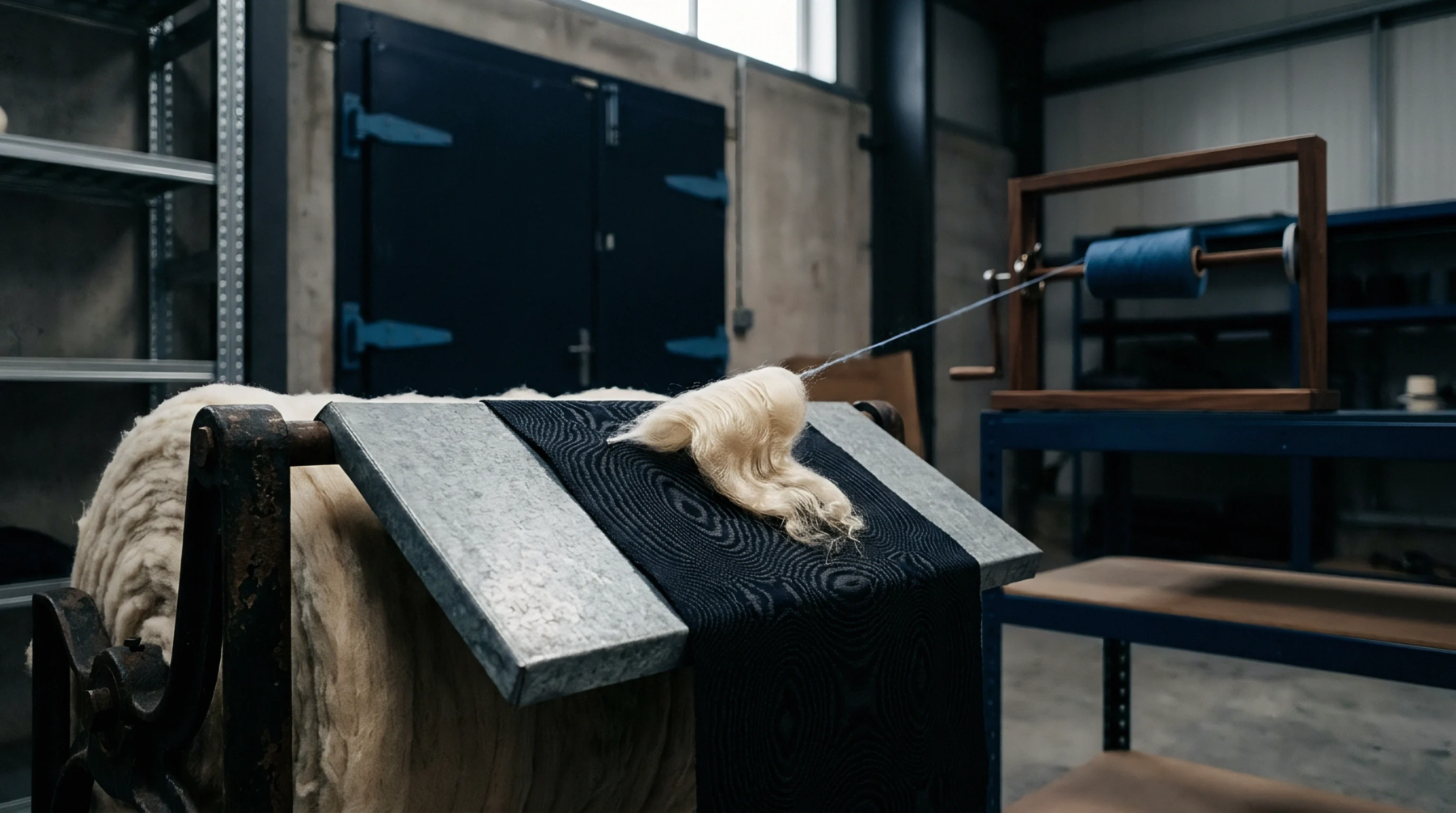
Fibrous structural proteins extracted from the wool of domestic sheep constitute the main components of animal-derived yarns and fabrics. In the textile testing industry, ovis aries keratin provides the reference sequence data used to differentiate standard wool from luxury specialty fibers. This protein has been extensively characterized in databases due to the global economic importance of sheep wool.
Enzymatic Extraction
Breaking down the dense disulfide cross-links of the fiber is the first step in extracting these structural proteins for laboratory analysis. Once the fiber structure is open, ovis aries keratin can be dissolved and digested into peptide fragments. This enzymatic process allows researchers to identify the unique mass-to-charge ratios of sheep-specific peptides.
Purity Detection
Mass spectrometers detect and quantify the abundance of these sheep-specific peptide fragments in blended yarns. If a yarn is marketed as pure cashmere, finding significant amounts of ovis aries keratin indicates the presence of sheep wool. This detection method is highly sensitive and can identify contamination down to a few percent.
Apparel Compliance
Garment manufacturers and retail brands use these quantitative results to guarantee compliance with fiber labeling regulations. By determining the exact concentration of ovis aries keratin, companies can verify the accuracy of their product descriptions on garment tags. This testing helps build consumer confidence in the authenticity of high-cost knitwear and wool outerwear.
It also provides a robust defense during random quality audits conducted by trade authorities.