Molecular Cleavage
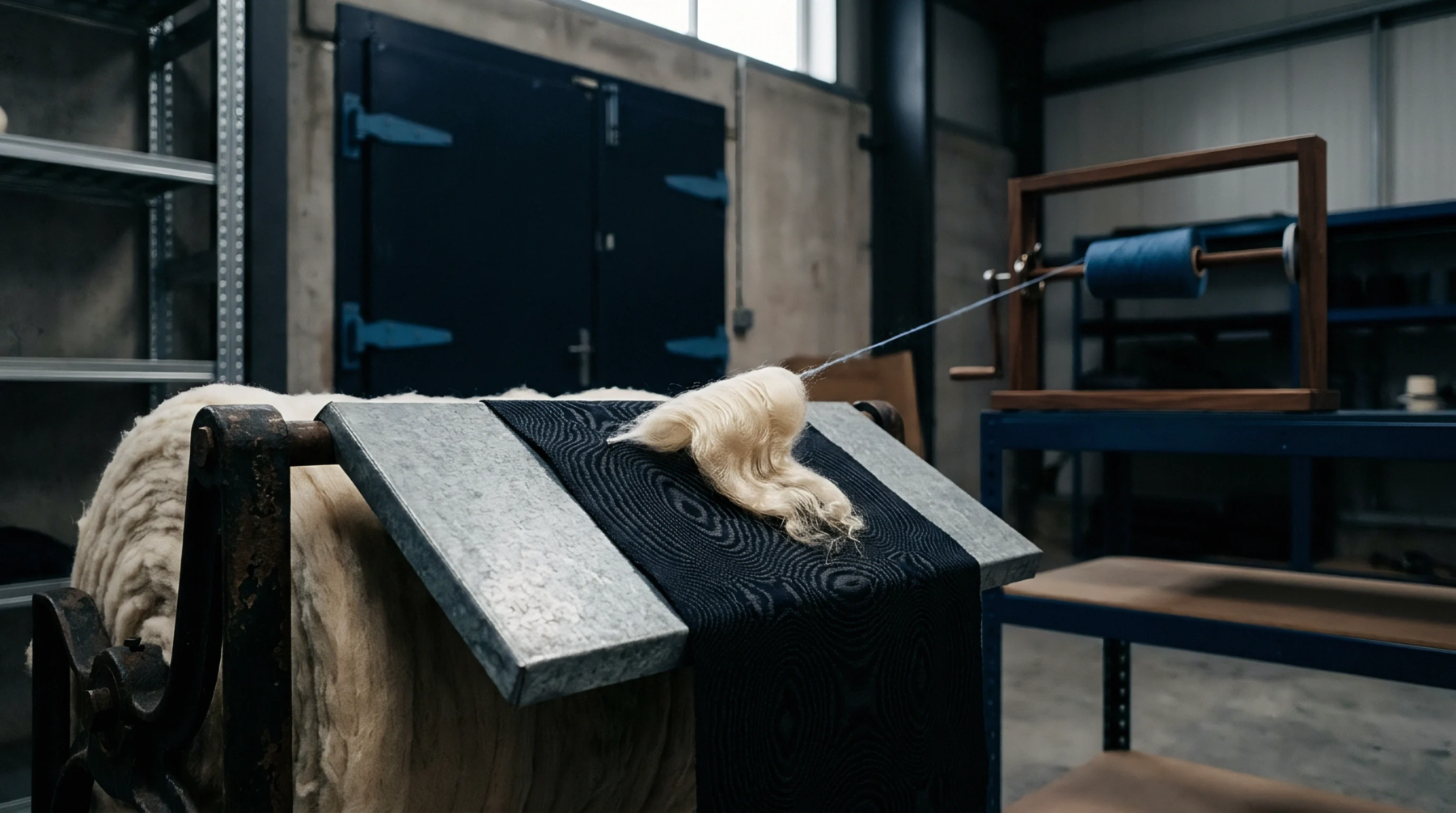
A chemical process employs a small molecule redox agent to break disulfide bridges within the keratinous structure of natural animal fibres. Quantitative analysis of textile blends requires dithiothreitol reduction to convert rigid cross-linked proteins into linear chains suitable for proteolytic digestion. This specific agent maintains a low redox potential at standard laboratory pH levels.
Solubility Increase
Successful extraction of wool proteins relies on the disruption of the stable cystine knots that hold fibres together. In a heated alkaline buffer, dithiothreitol reduction targets these junctions efficiently without degrading the backbone of the amino acid sequence. The resulting thiols become targets for subsequent stabilization steps to prevent the structure from closing again.
Batch Uniformity
Reliable identification of yak or cashmere depends on the thoroughness of the opening phase. Insufficient dithiothreitol reduction leaves clumps of protein that resist enzymatic breakdown into searchable peptides. Testing facilities verify the success of this step by monitoring the clarity of the supernatant before moving to mass analysis.
Environmental Limit
The chemical agent loses effectiveness rapidly when exposed to atmospheric oxygen during long processing windows. Laboratories perform dithiothreitol reduction under tight seals or within inert gas chambers to maintain the required concentration for complete molecular dissociation. Stability of the reagent is the determining factor in the repeatability of the test.