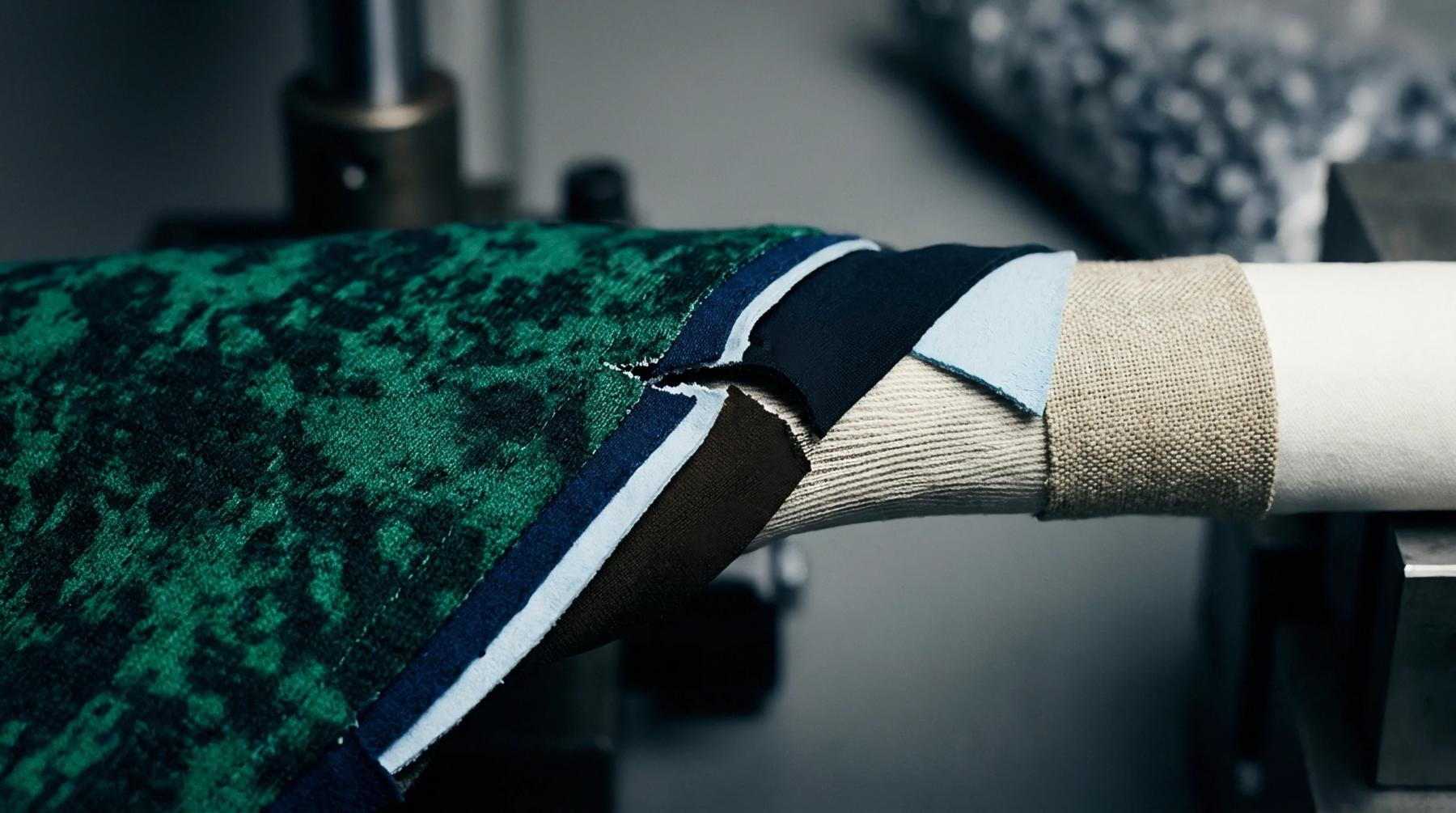
Thermal Relaxation
Controlled heat treatment locks yarn and fabric dimensions after wet processing finishes. Post-setting stabilizes synthetic and blended materials by relieving internal stresses accumulated through drawing and texturing stages. Commercial finishing plants apply dry heat through tenter frames to fix molecular chains into permanent configurations.
Dimensional shrinkage drops below designated thresholds during subsequent laundering cycles. Temperature parameters determine whether relaxation reaches adequate limits before goods leave the facility. Excessive exposure damages elastomeric components while insufficient dwell times permit residual tensioning.
Laboratory technicians verify compliance by measuring area recovery rates following standardized steam pressing tests.
Dimensional Durability
Garment construction relies entirely upon predictable fabric behavior during high temperature sewing and pressing operations. Post-setting prevents unwanted distortion when panels encounter subsequent thermal loads on commercial assembly lines. Synthetic filaments tend to recoil toward original extrusion states unless restrained by thermal stabilization.
Thermal memory resets permanently when applied heat exceeds glass transition limits without causing polymer degradation. Finished garments retain exact measurements through repeated consumer use cycles. Quality inspectors audit bulk deliveries against contractual tolerance limits for residual shrinkage.
Tension Management
Mechanical stress control dictates the success of high speed finishing operations. Fabric tension alters final dimensions if mechanical pull exceeds thermal fixation capacity inside heating chambers. Overfeeding mechanisms compensate for lengthwise contraction during continuous processing runs.
Transverse stretching requires precise rail adjustment to maintain specified weight per square metre standards. Thermal shrinkage potentials decrease proportionally when mechanical restraint matches applied energy values. Production logs record thermal profiling data to correlate machine speeds with structural stability.
Polymer Fixation
Molecular rearrangement occurs when crystalline regions absorb thermal energy during continuous heating cycles. Polymer chain mobility increases rapidly once temperature thresholds surpass softening points for polyester and polyamide constituents. Controlled cooling solidifies the newly ordered structure before mechanical forces resume along transport rollers.
Structural stabilization prevents thermal shock from creating localized distortion zones across wide widths. Finished textile goods achieve permanent form stability through precise coordination between dwell time and thermal energy input.