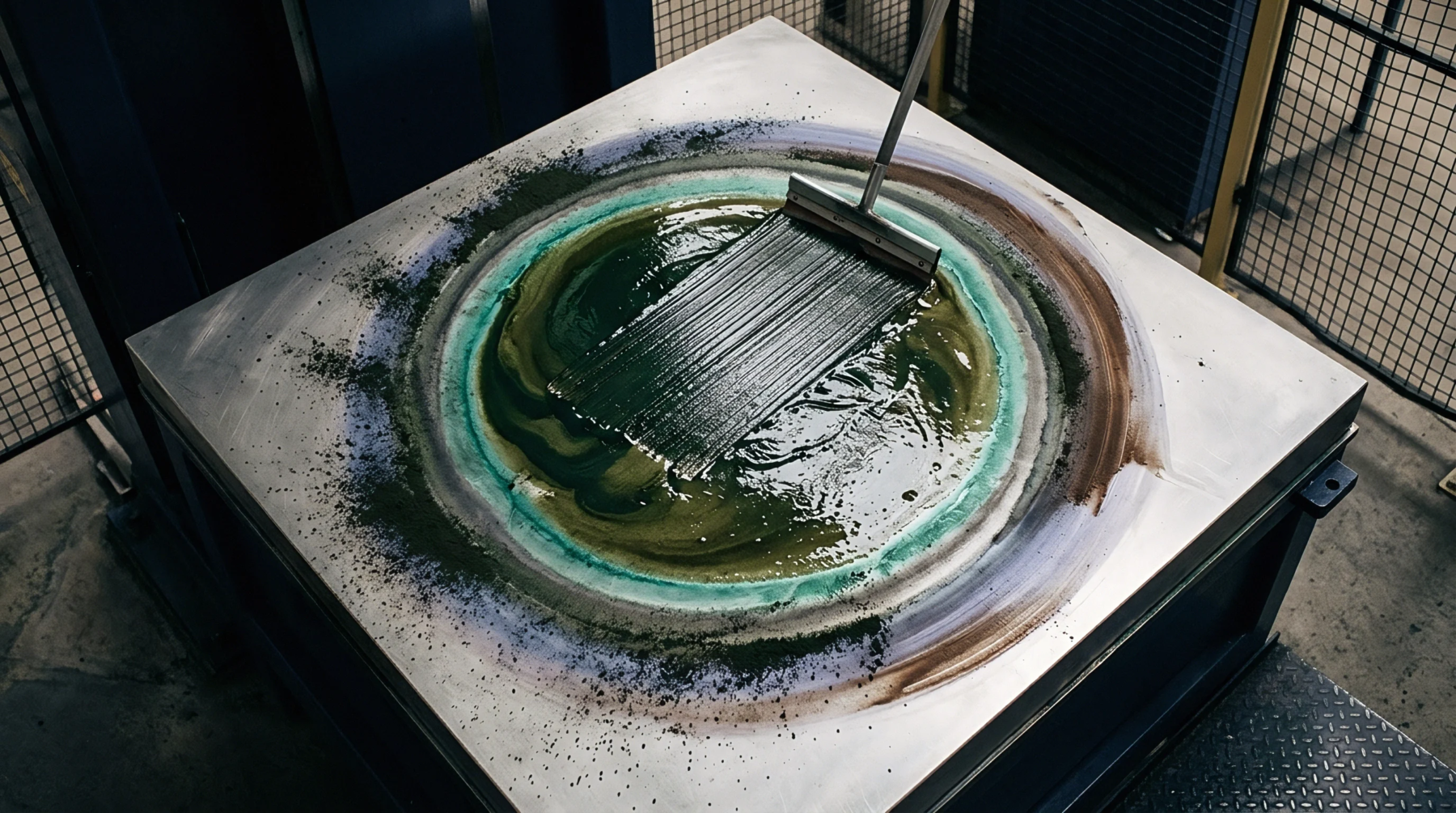
Cationic Surface Modifier
Positively charged nitrogenous salts carrying four organic functional groups serve as antimicrobial finishes, antistatic agents, softening auxiliaries and dye-fixing formulations in wet processing. Textile chemicals classified as quaternary ammonium compounds feature a central nitrogen atom bonded to four alkyl or aryl chains, generating a permanent cationic charge independent of liquor pH. The positively charged head group binds strongly to the natural anionic surface of cellulosic fibers, wool scales and synthetic substrates.
In softeners, these compounds align their fatty hydrocarbon tails outward, imparting a smooth, lubricated handle to finished fabrics. Their permanent cationic nature ensures substantive exhaustion from aqueous baths onto running cloth during batch or continuous pad applications.
Antimicrobial Disruption Mechanism
The permanent positive charge on the central nitrogen atom drives biocidal activity against varied microbial populations. Specialized quaternary ammonium compounds interact electrostatically with negatively charged phospholipid membranes of bacteria, yeasts and fungi. Hydrophobic alkyl tails penetrate and destabilize bacterial cell walls, causing cytoplasmic leakage, cell lysis and micro-organism death.
Finished textiles gain durable antimicrobial efficacy against odor-causing bacteria on activewear and cross-contamination in medical scrubs. When formulated as durable non-leaching silane hybrids, these chemicals crosslink chemically with cotton hydroxyl groups, preventing laundering depletion. Biocidal durability must survive multiple commercial launderings to maintain regulatory claims on treated performance apparel.
Dyehouse Compatibility Constraints
Strong positive surface charges cause chemical conflicts when cationic finishes encounter anionic process formulations. Applying quaternary ammonium compounds in proximity to anionic dyes, wetting agents or optical brighteners causes immediate ionic precipitation and sludge formation in padders. Dye-fixing variants bind free anionic dye molecules on cotton fabrics to boost wet wash fastness, but they frequently trigger noticeable color shifts toward yellow or dull tones.
Softener varieties reduce fabric hydrophilicity by orienting hydrophobic fatty tails outward, ruining absorbency in cotton toweling and moisture-wicking athletic jerseys. Thermal drying on stenter frames can cause yellowing if excess cationic chemical deposits break down at temperatures above one hundred and sixty degrees Celsius.
Ecological Discharge Boundary
Regulatory agencies monitor factory effluent for cationic surfactant traces due to aquatic toxicity concerns. Discharged quaternary ammonium compounds adsorb onto negatively charged activated sludge particles within municipal wastewater treatment facilities, inhibiting nitrifying bacteria. Residual finish formulations remaining on fabric surfaces can cause skin sensitization, triggering tight restrictions on contact garments under ecological textile labels.
Industrial effluent plants deploy chemical flocculants and bentonite clay systems to bind and isolate cationic surfactant loads before water release. Finished fabrics undergo liquid chromatography-mass spectrometry testing to verify that chemical residues remain within permissible limits for skin contact. Global restricted substance lists prohibit non-cleavable dialkyl variants prone to bioaccumulation.