Solute Migration
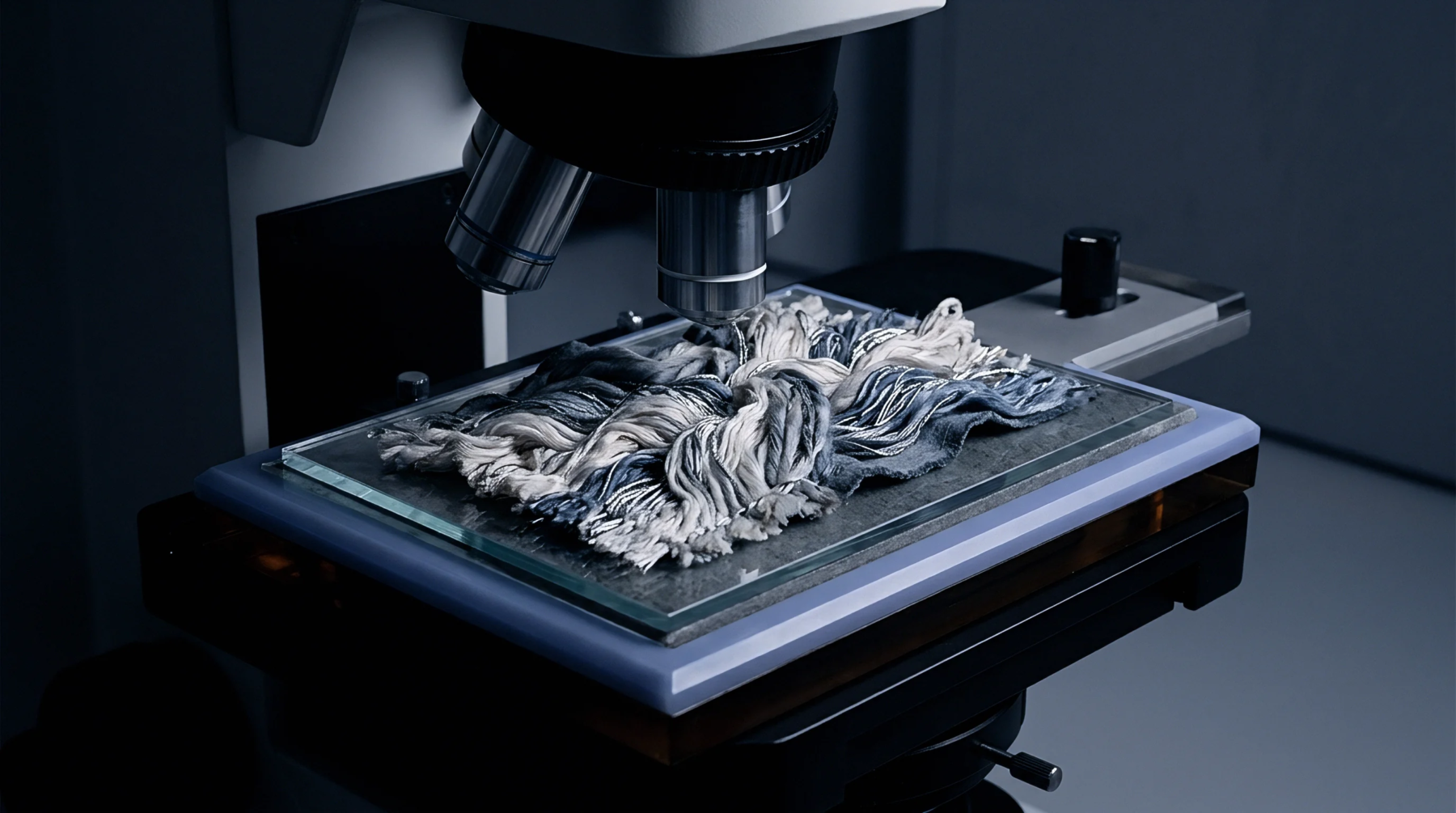
Residual byproduct from textile wet processing contains dissolved chemical fractions that permeate an aqueous environment when subjected to extraction procedures. Sludge leachability measures the potential for these hazardous constituents to release from industrial solid waste into surrounding groundwater or soil systems. Laboratory testing protocols determine this parameter by simulating long term environmental exposure to water or acidic solutions.
Regulatory frameworks dictate specific limits for dissolved metals and synthetic organics to classify waste for disposal at specialized treatment facilities.
Environmental Consequence
Disposal criteria rely on the mass of contaminants that migrate from the concentrated solid matrix into a solvent phase. Sludge leachability influences the selection of landfill sites, as high mobility requires geomembrane liners and sophisticated leachate collection networks to prevent subterranean aquifer contamination. Textile mills produce filter cake from wastewater treatment that requires periodic assessment for trace antimony, copper, or synthetic dye precursors.
Chemical Mechanism
Ionic strength and local pH levels govern the dissolution rate of heavy metals trapped within the filter press solids. Altered acidity in the percolating liquid changes the bonding stability between metal ions and organic flocculants, which forces a shift in the concentration of mobile aqueous species. High molecular weight polymers often bind these materials within the cake structure, slowing the rate of release during the initial phases of contact with rainwater.
Verification Protocol
Standardized shaker tests provide a controlled environment to replicate potential interaction between industrial byproducts and groundwater. A mechanical agitator mixes a crushed solid sample with a designated extraction fluid for a set duration, which generates a representative liquid phase for analytical quantification. Mass balance calculations confirm the retention capacity of the waste matrix before transport to an approved offsite facility.
Proper monitoring ensures that hazardous runoff remains below the thresholds established for groundwater safety.