Mechanical Separation
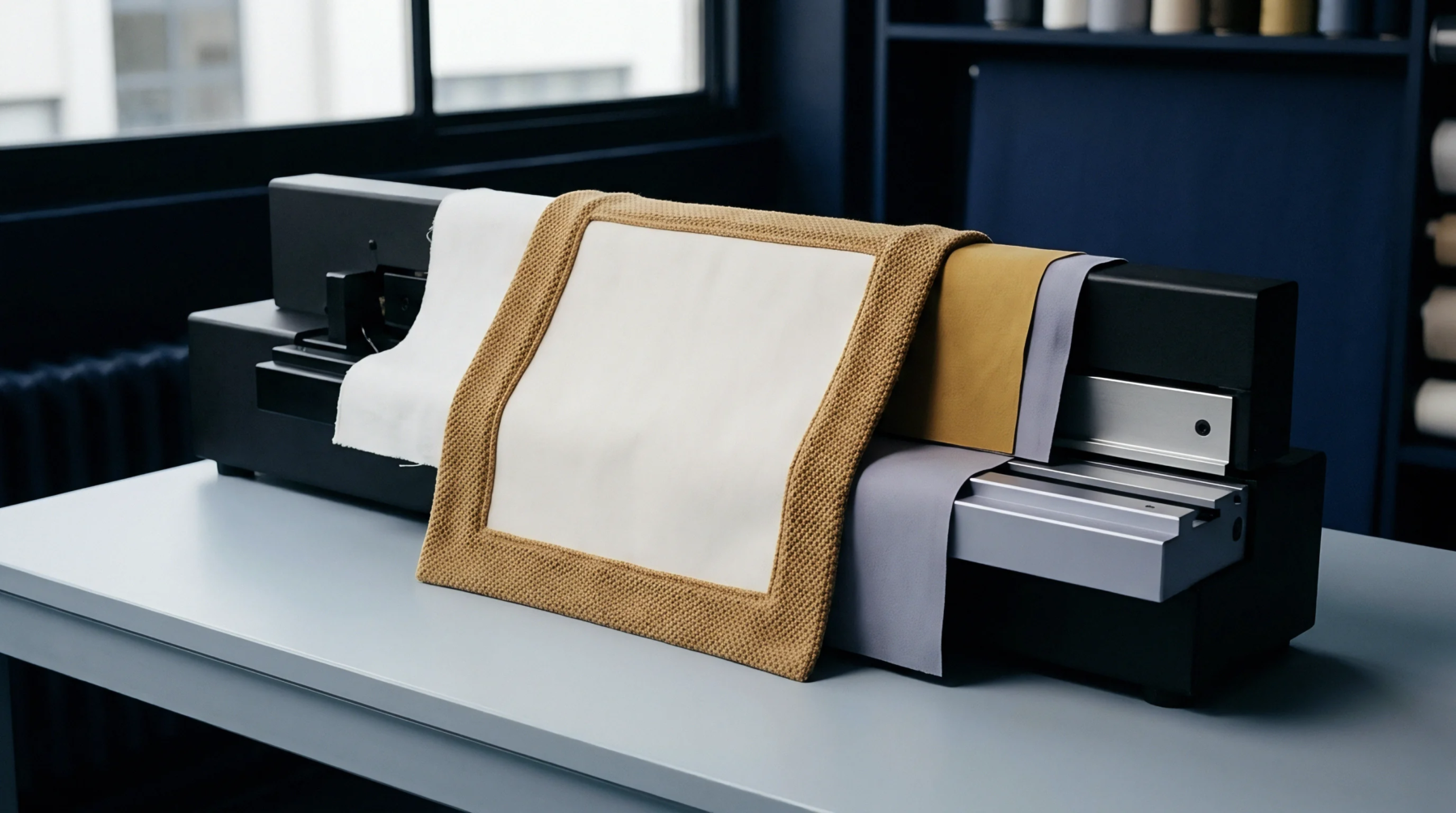
Mechanical processing involves the use of rotating cylinders with teeth or pins to break down compressed blocks of raw fibre. The tuft opener reduces large masses of cotton or wool into smaller pieces for subsequent cleaning.
Cleaning Efficiency
Trash removal becomes more effective when the fibres are loosened and separated from each other. By passing through a tuft opener, the material releases trapped seeds, leaf fragments and dust. The resulting clean fibre is necessary for producing high quality yarn with fewer imperfections.
Operational Sequence
Flow control in the opening room depends on the consistent output from this machine to feed the downstream mixers and cards. If the tuft opener produces uneven tuft sizes, the final yarn may suffer from mass variations or thick spots. Modern systems use pressure sensors to regulate the feed rate and ensure a steady supply of material.
Fibre Protection
Gentle handling is required to prevent breaking the individual fibres during the separation process. A well-maintained tuft opener uses optimized speeds and pin geometries to maximize opening while minimizing damage to the staple length. Preserving the length of the fibre is a requirement for the strength and durability of the finished textile.