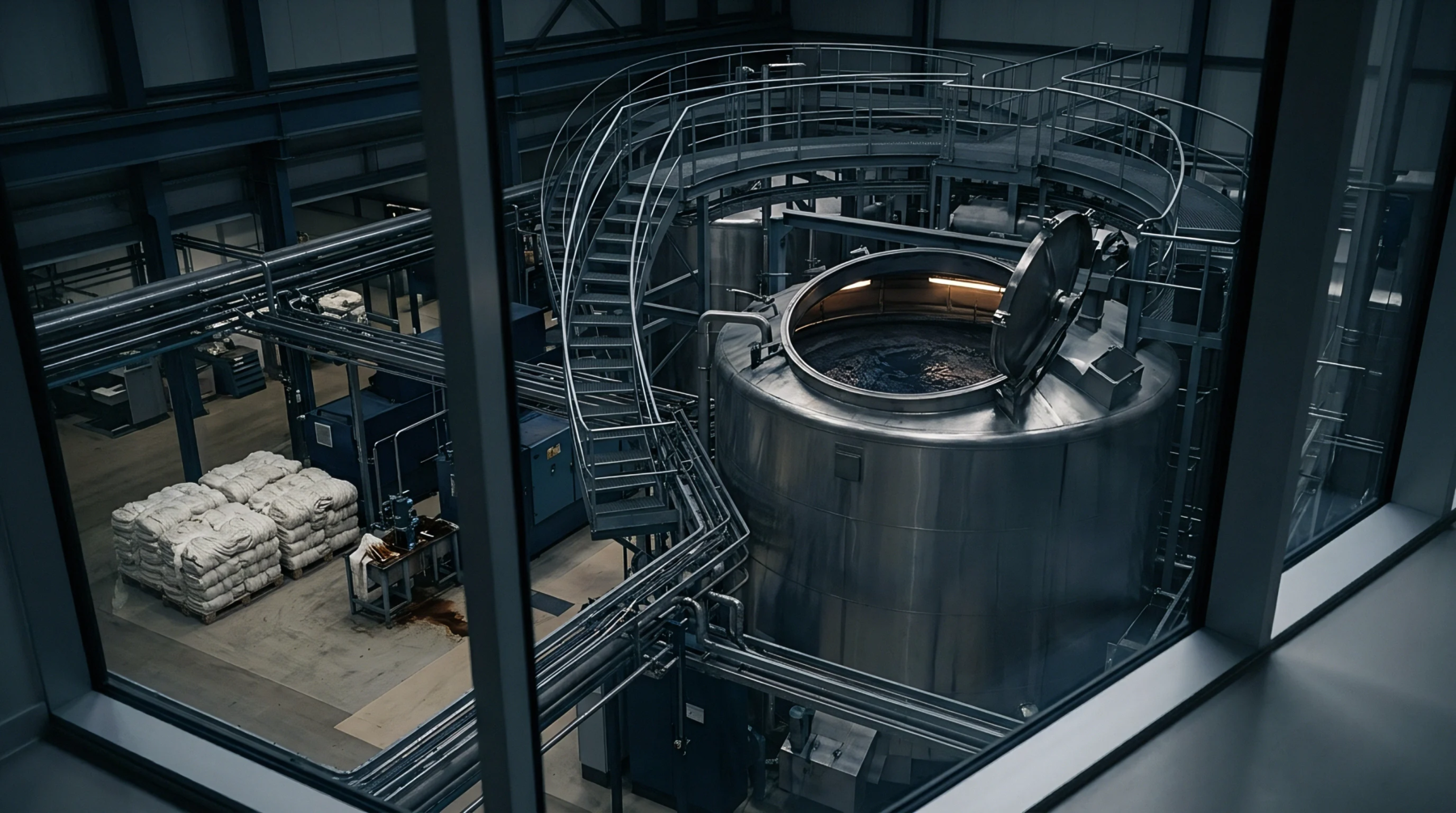
Calculating Reactive Dye Hydrolysis Rates in Jet Dyeing
Calculating reactive dye hydrolysis rates in jet dyeing requires tracking bath pH and absorbance over time to optimize alkali dosing and maximize color yield.
Versatile reactive colorants utilize a masked functional group that activates upon alkali addition to form a stable covalent bond with the hydroxyl groups of cellulose fibres at medium temperatures. These dyes are provided in the form of a vinylsulfone precursor, usually a beta-sulfatoethylsulfone group, which is highly soluble and stable in storage. When the pH of the dye bath is raised by adding soda ash, the precursor undergoes an elimination reaction to create the active vinylsulfone form.
This intermediate then reacts with the cellulosate anions on the cotton fibre through a nucleophilic addition mechanism. This chemical bond is exceptionally strong and provides excellent resistance to wet treatments and laundering. The ability to control the activation of the dye makes it a preferred choice for many industrial applications.
Chemical transformation from the soluble precursor to the reactive state is the most important stage of the dyeing cycle. For vinylsulfone dyes, this activation occurs typically between forty and sixty degrees Celsius under alkaline conditions. This medium-temperature range is energy-efficient and allows for good penetration of the dye into the fabric before the bond is formed.
If the alkali is added at too low a temperature, the activation will be incomplete, leading to low colour yield and wasted dye. Conversely, if the temperature is too high, the reactive groups may react with water molecules instead of the fibre, a process known as hydrolysis. Precise control of the temperature and pH during this stage is necessary for achieving consistent and repeatable results.
Permanent bonding between the colorant and the textile substrate ensures that the garment will not fade or bleed during consumer use. Vinylsulfone dyes are renowned for their high wet fastness, making them suitable for items that will be frequently washed at high temperatures, such as bedding and workwear. Because the dye is part of the fibre molecule, it cannot be easily removed by detergents or mechanical action.
However, any unreacted or hydrolyzed dye that remains on the fabric after fixation must be thoroughly removed during the washing-off stage. Failure to do so can lead to staining and poor fastness results in laboratory tests. The stability of the vinylsulfone-cellulose bond is also resistant to acidic conditions, which helps to maintain the colour over the long life of the garment.
Industrial processes like exhaust dyeing, continuous padding and cold pad-batch can all utilize this specific class of reactive dyes. The high solubility of the vinylsulfone dyes makes them particularly useful for pad-batch dyeing, where concentrated dye liquors are required. They can also be used in combination with other reactive dye types, such as triazines, to create a wider range of shades and properties.
This flexibility allows mills to use a single range of dyes for many different products and machine types, simplifying inventory management. When used correctly, these dyes produce vibrant and level shades on all types of cellulose fibres, including cotton, viscose and linen. Their reliability and performance have made them a cornerstone of the global reactive dyeing market.
Vinylsulfone dyes remain a leading choice for high-quality cotton coloration.
Calculating reactive dye hydrolysis rates in jet dyeing requires tracking bath pH and absorbance over time to optimize alkali dosing and maximize color yield.
Expertise is a utility, not a secret. sentiention™ publishes its working knowledge as open reference: intelligence layer covering the materials it sources, the markets it enters, and the reference that serves both.