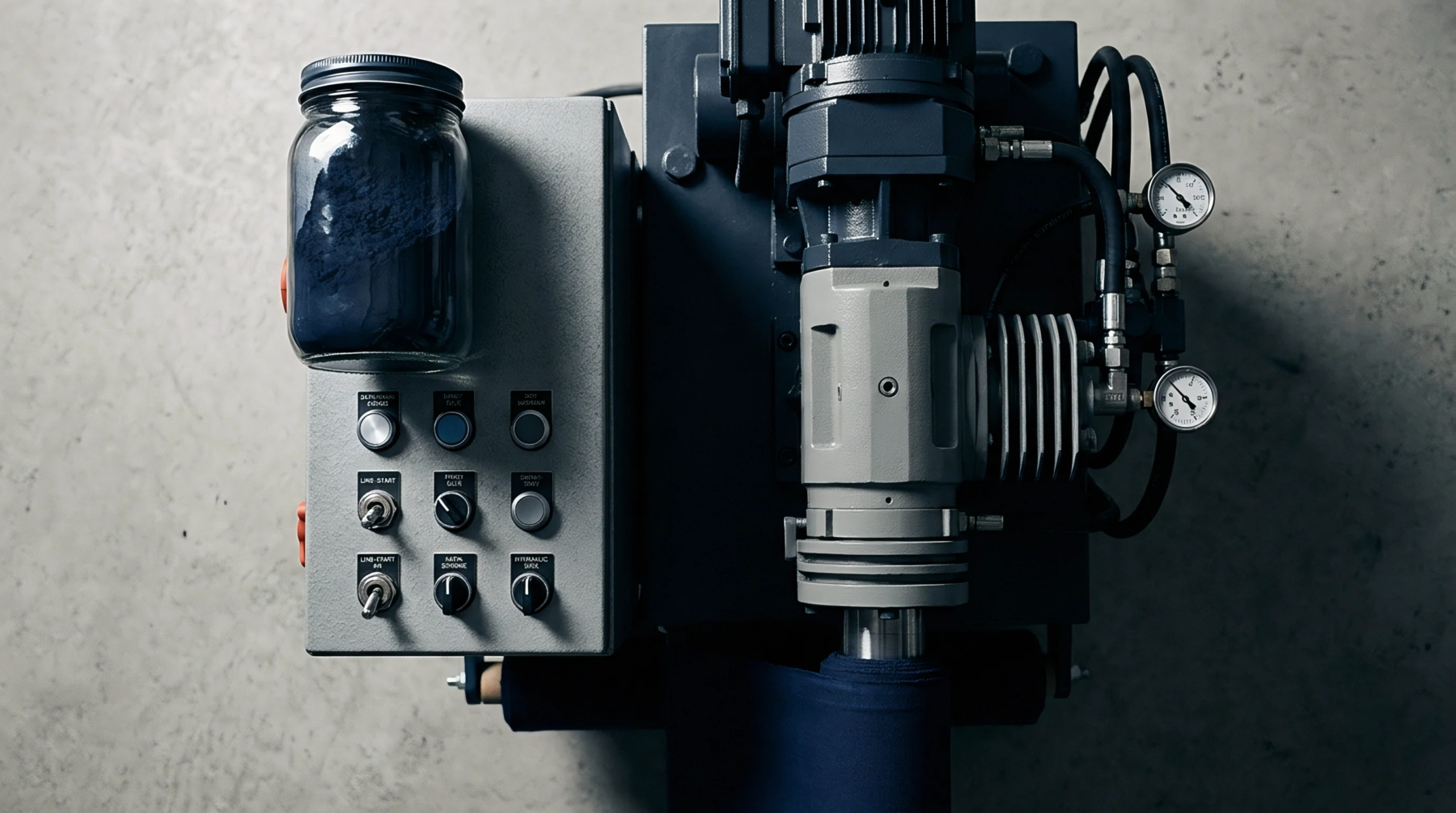
Wave Amplification
Physical phenomena of wave amplification occur when the driving frequency of a sound wave matches the natural frequency of a medium or structure. In textile testing, acoustic resonance determines the thickness or stiffness of a fabric sample without causing physical damage. The measurement relies on transmitting sound waves through the textile and detecting the specific frequencies where the material vibrates with maximum amplitude, allowing technicians to verify structural consistency across a production lot.
Frequency Matching
Vibrational energy transfers efficiently when the incoming sound waves align with the inherent mechanical properties of the textile fibres. This interaction alters the amplitude of the reflected or transmitted signal, which detectors capture to generate a material profile. Practitioners utilize acoustic resonance to assess the density of woven structures by tracking how these sound waves propagate through the yarn matrices.
Drying Influence
Moisture evaporation can be accelerated in industrial dryers by applying high-intensity sound waves directly to wet fabrics. Here, acoustic resonance destabilizes the boundary layer of air on the fabric surface, which increases the rate of mass transfer without raising the temperature to levels that would degrade sensitive fibres. This acoustic action enables rapid drying for delicate materials like silk or wool.
Material Limit
The effectiveness of this acoustic process decreases when the fabric density exceeds the penetration capability of the sound frequency. Excessively dense fabrics scatter the waves, preventing the formation of clear peaks.