Swatch Sampling Position Deciding Whether a Batch Passes
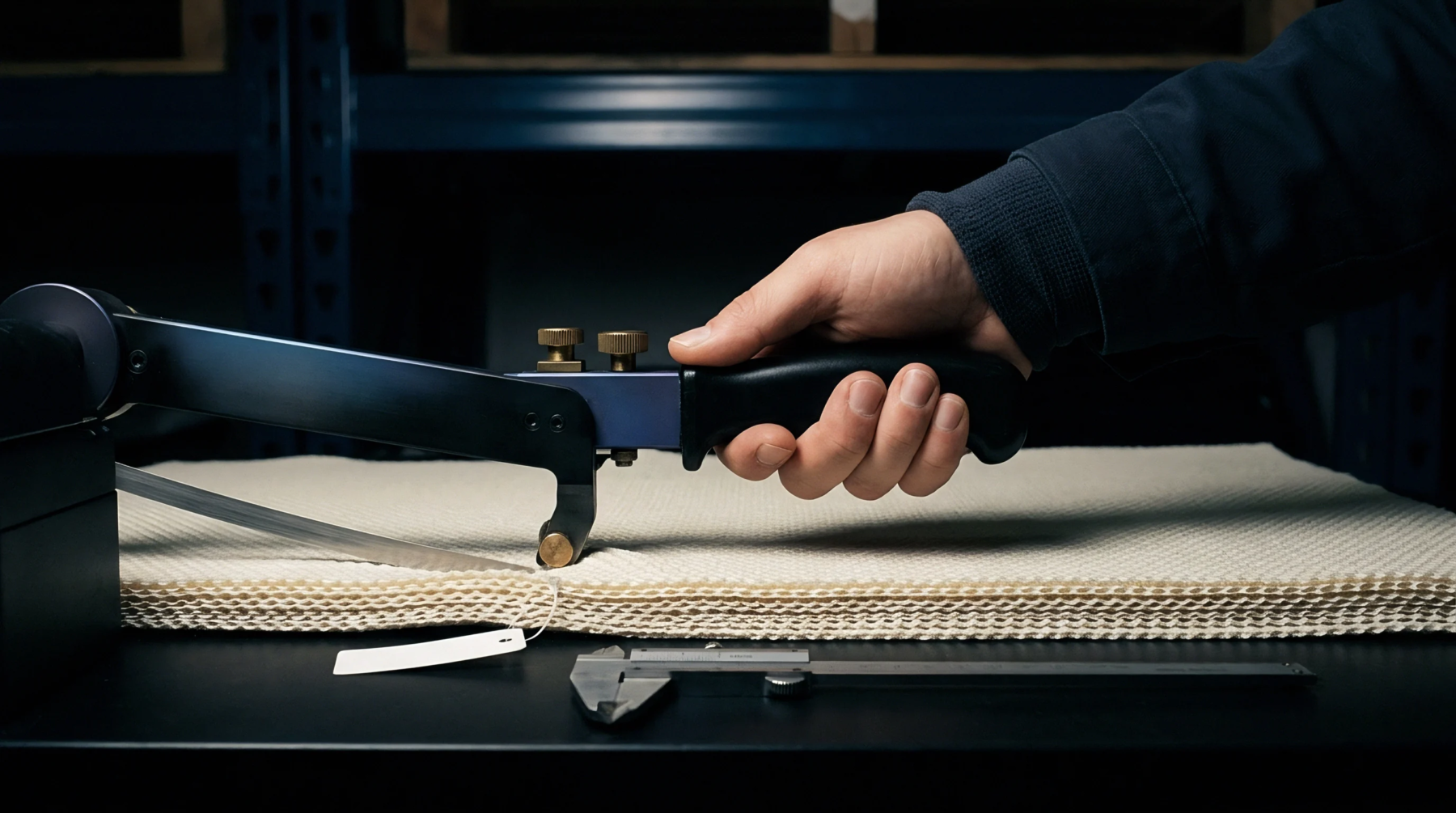
Physical swatch position across fabric width and length determines chemical compliance, requiring three-point cross-web sampling to validate batch pass status.
AQL compliance represents the maximum threshold of defective units allowed within a sampled lot before an entire production batch faces rejection at a distribution center or factory exit. Garment mills and sewing facilities apply this standard to differentiate between acceptable quality levels and batches that require total sorting or full remediation. Auditors draw random samples from finished shipments based on statistical tables to verify if the count of defects stays below the negotiated limit.
When a shipment fails to meet these parameters, the buyer returns the goods or demands a full inspection of every single item. Manufacturers maintain these thresholds to balance the cost of total inspection against the risk of shipping non-conforming textiles to retail shelves.
This process utilizes a randomized selection of units drawn from a finished batch to estimate the defect rate of the total shipment. Inspectors count individual defects such as broken needles, skipped stitches, or holes in the fabric, and they weight these findings against the agreed lot size. Strict protocols dictate how many units inspectors choose from a pallet of finished shirts or trousers to ensure the sample size statistically represents the bulk.
If the number of observed defects exceeds the predetermined cut-off point, the lot fails the audit regardless of the severity of each individual flaw. Large production runs necessitate larger sample sizes to minimize the margin of error, though even a small batch requires a minimum number of units to establish a defensible baseline for quality. Inspectors categorize flaws by severity, assigning different numerical values to aesthetic issues compared to structural failures that prevent a garment from functioning.
Quality control parameters cease to apply once a garment passes the final shipment inspection and leaves the bonded warehouse or factory floor. These criteria cover only the observable physical state of goods at a single point in time, meaning they do not account for latent fabric shrinkage or colorfastness issues that appear after repeated domestic laundering. Suppliers often negotiate specific thresholds based on the price point of the product, with higher expectations for premium woven goods and slightly more lenient allowances for bulk-produced basic staples.
Once a shipment moves into the retail supply chain, the responsibility for individual item assessment shifts to the brand or the retailer. The measurement tool focuses on the batch itself, leaving individual component testing to earlier stages like yarn tensile strength analysis or fabric roll shade checks.
A defined limit acts as a binding commercial agreement that dictates the flow of finished inventory between global manufacturing partners. Parties establish these limits within the initial procurement contract to ensure that importers and exporters possess a shared understanding of risk tolerance. Financial penalties often attach to batches falling outside the agreed limit, covering the cost of the labor required to perform a full inspection of every garment in the lot.
Standardized limits provide a baseline for dispute resolution when the mill and the buyer disagree on the fitness of a shipment. This mechanism reduces arbitrary decision making by grounding the approval process in a verifiable mathematical outcome.
Physical swatch position across fabric width and length determines chemical compliance, requiring three-point cross-web sampling to validate batch pass status.
Expertise is a utility, not a secret. sentiention™ publishes its working knowledge as open reference: intelligence layer covering the materials it sources, the markets it enters, and the reference that serves both.