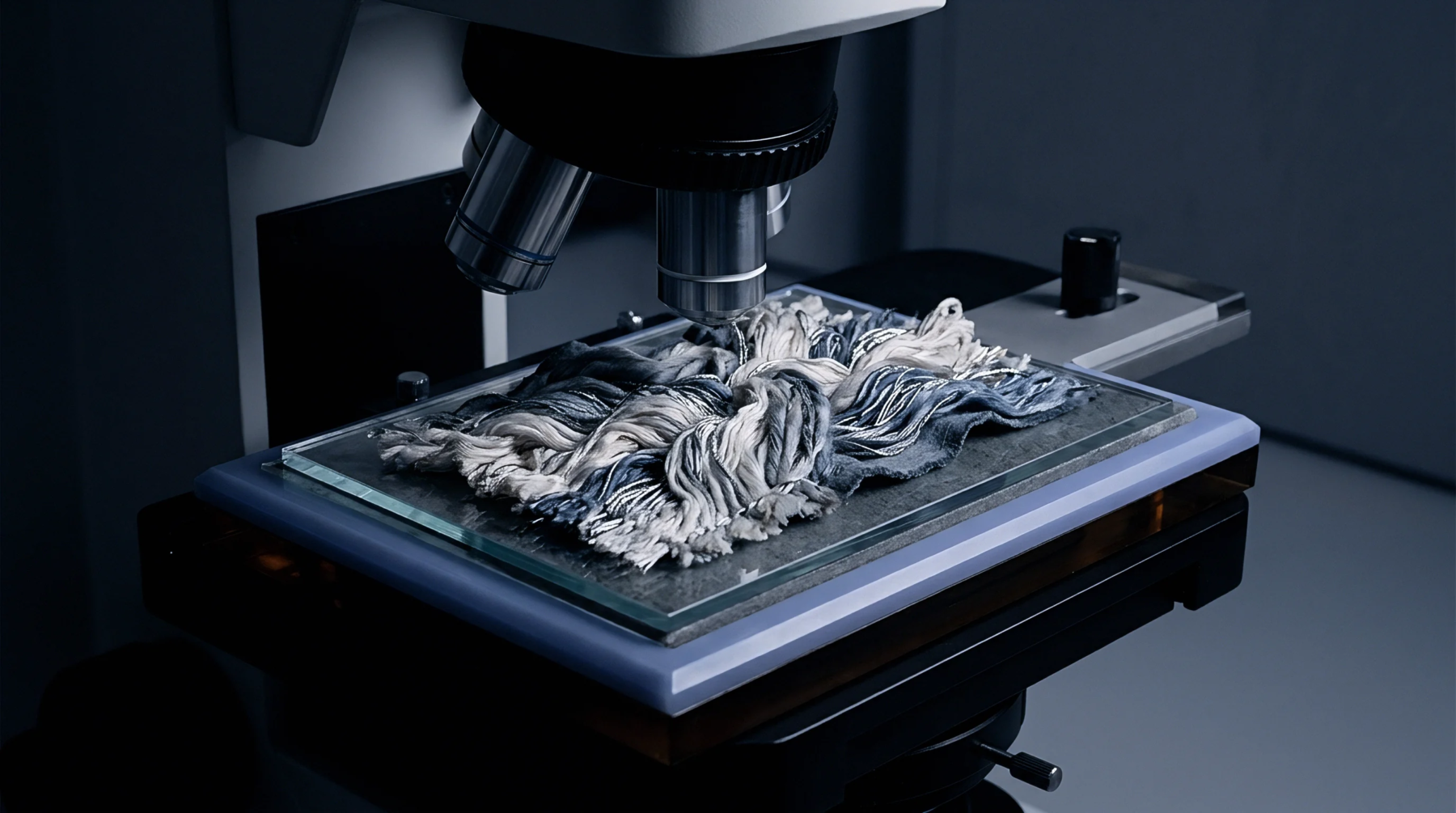
Baseline Calculation
Optical measurement techniques identify the constant signal levels generated by dust, fiber texture, moisture, and ambient light within high-speed inspection systems. Automated background noise estimation allows a sorter to establish a baseline against which actual contaminants are detected. The calculation occurs during initial startup and repeats at set intervals to account for accumulation on lenses or changes in light intensity.
Detection Sensitivity
Variations in signal strength that do not originate from foreign matter define the noise floor. Higher levels of debris on camera glass increase the background noise estimation value, which automatically raises the threshold for triggering an ejection event. If the calculated floor becomes too high, the system alerts the operator that physical cleaning is required.
Signal Processing
Algorithms isolate high-frequency peaks from the steady-state signal. Effective background noise estimation prevents the processor from mistaking the natural shadow of a cotton tuft for a plastic fragment. Precise isolation ensures that only deviations exceeding the dynamic average result in an output signal.
Mill Maintenance
Continuous tracking of these baseline values functions as a diagnostic for the overall health of the sorting machine. When background noise estimation exceeds a factory-defined limit, the risk of missing small polypropylene fibers increases because the signal-to-noise ratio narrows. This condition often results from the accumulation of micro-dust or sticky residues on the protective glass of the sensor.
Clean air curtains and steady voltage help maintain low estimates.