Regulated Plasticiser
Chemical substance classifications designate low molecular weight ortho-phthalate diesters as restricted industrial additives when formulating flexible polyvinyl chloride formulations, surface coatings and screen-printing inks for consumer merchandise. Regulatory authorities restrict benzyl butyl phthalate under global restricted substance lists, capping concentrations at 0.1 percent by weight in accessible textile components. The compound functions as an external plasticiser, situating itself between polymer chains without creating covalent linkages to the polymer backbone.
Unbound molecules migrate toward polymer surfaces across standard storage conditions. Environmental health frameworks classify the additive as a reproductive toxicant, barring intentional inclusion in infant care articles, garment trims and coated fabrics.
Migration Mechanism
Plasticisation efficiency relies upon steric disruption of dipole-dipole attractions between adjacent polyvinyl chloride polymer segments. Adding benzyl butyl phthalate depresses glass transition temperatures, transforming brittle resins into flexible films suitable for screen printing and synthetic leather production. Because no chemical bond secures the ester to the polyvinyl chloride matrix, temperature elevations drive molecular diffusion toward ambient air or adjacent absorbent fibres.
Washing processes accelerate extraction into wastewater effluents. Pressure exerted during fabric winding or garment stacking further drives liquid-phase partitioning into adjoining layers. Finished screen prints exhibit higher release rates when curing ovens fail to achieve complete gelation temperatures.
Analytical Extraction
Quantitative determination requires solvent extraction followed by gas chromatography coupled with mass spectrometry. Standard test protocols mandate grinding coated fabric samples to particle dimensions below one millimetre prior to ultrasonic or Soxhlet extraction with tetrahydrofuran or dichloromethane. Dissolved polymers precipitate through methanol addition, isolating phthalate esters within clean liquid phases.
Gas chromatographs separate benzyl butyl phthalate from related plasticisers based on retention times across capillary columns, while mass spectrometers verify molecular fragmentation patterns at mass-to-charge ratios of 149 and 91. Limit-of-quantitation thresholds typically sit at fifty milligrams per kilogram. Incomplete resin dissolution yields false negatives by trapping plasticiser inside unextracted polymer cores.
Production Substitution
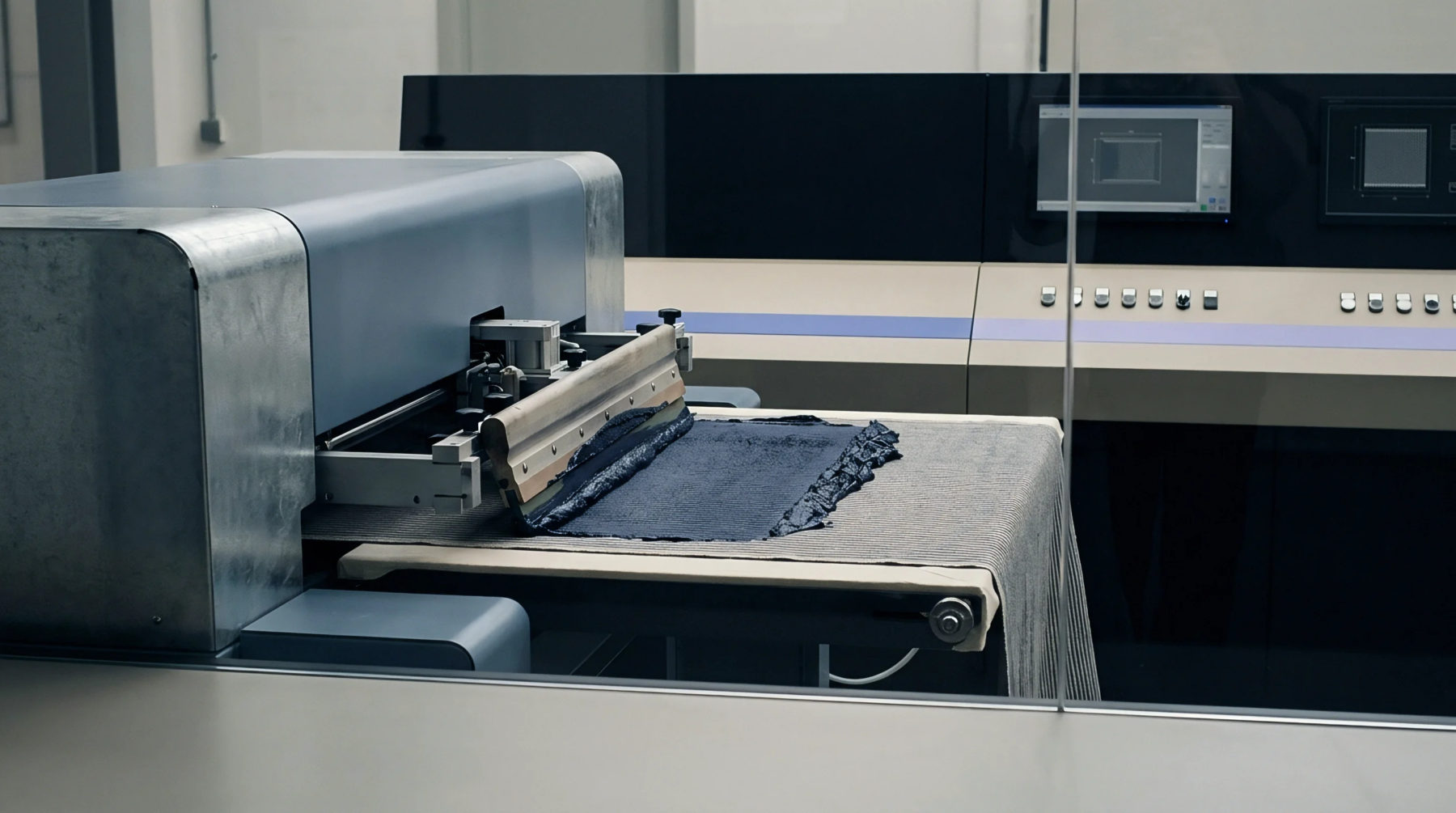
Elimination of restricted plasticisers forces print shops and coating mills toward non-ortho-phthalate alternatives. Formulators replace benzyl butyl phthalate with terephthalates, citrates, or cyclohexanedicarboxylates to satisfy commercial compliance mandates. Substituting alternative plasticisers alters ink viscosity, requiring adjustments to screen mesh counts and squeegee durometer ratings.
Gelation temperatures often rise by ten to twenty degrees Celsius when switching chemistries, creating risks of fabric scorch on synthetic blends. Mills verify compliant chemistry by testing bulk ink containers before dispensing to automated print carousels. Inspection protocols at finished garment stages screen printed areas via solvent extraction to confirm absent residues.
Non-compliant trim components trigger whole-order rejections at port customs entries. Clean compounding lines prevent cross-contamination from legacy plasticiser batches.