Federal Regulation
Chemical limits applied to synthetic plasticizers in manufactured consumer goods guarantee child product safety under United States federal law. Codified within the Consumer Product Safety Improvement Act, CPSIA Section 108 prohibits the manufacture, distribution, sale, or commercial importation of children toys and child care articles containing specific phthalate concentrations exceeding zero point one percent. The statutory requirement applies directly to plasticized components found across juvenile apparel, infant bibs, sleepwear, diaper covers, and rainwear.
Testing protocols follow designated gas chromatography mass spectrometry pathways to quantify ortho phthalate esters in vinyl prints, synthetic coatings, elastic polymers, and plastic hardware. Textiles comprised purely of natural or unplasticized synthetic fibres fall outside the testing scope established by this chemical rule.
Regulated Plasticizers
Initial statutory rules imposed permanent prohibitions against di 2 ethylhexyl phthalate, dibutyl phthalate, and benzyl butyl phthalate in children products. Subsequent federal revisions by the Consumer Product Safety Commission permanently expanded this restricted family to eight specific plasticizers, incorporating diisononyl phthalate, diisobutyl phthalate, di n pentyl phthalate, di n hexyl phthalate, and dicyclohexyl phthalate. Plasticizers migrate over time from plastic substrates into children saliva during typical mouth contact, posing endocrine disruption risks.
Testing mandates enforce the one thousand parts per million ceiling on each individual restricted ester rather than their cumulative sum. Garment manufacturers must source certified phthalate free plasticizers for plastisol screen prints, faux leather trims, seam sealing tapes, and zipper pulls.
Factory Verification
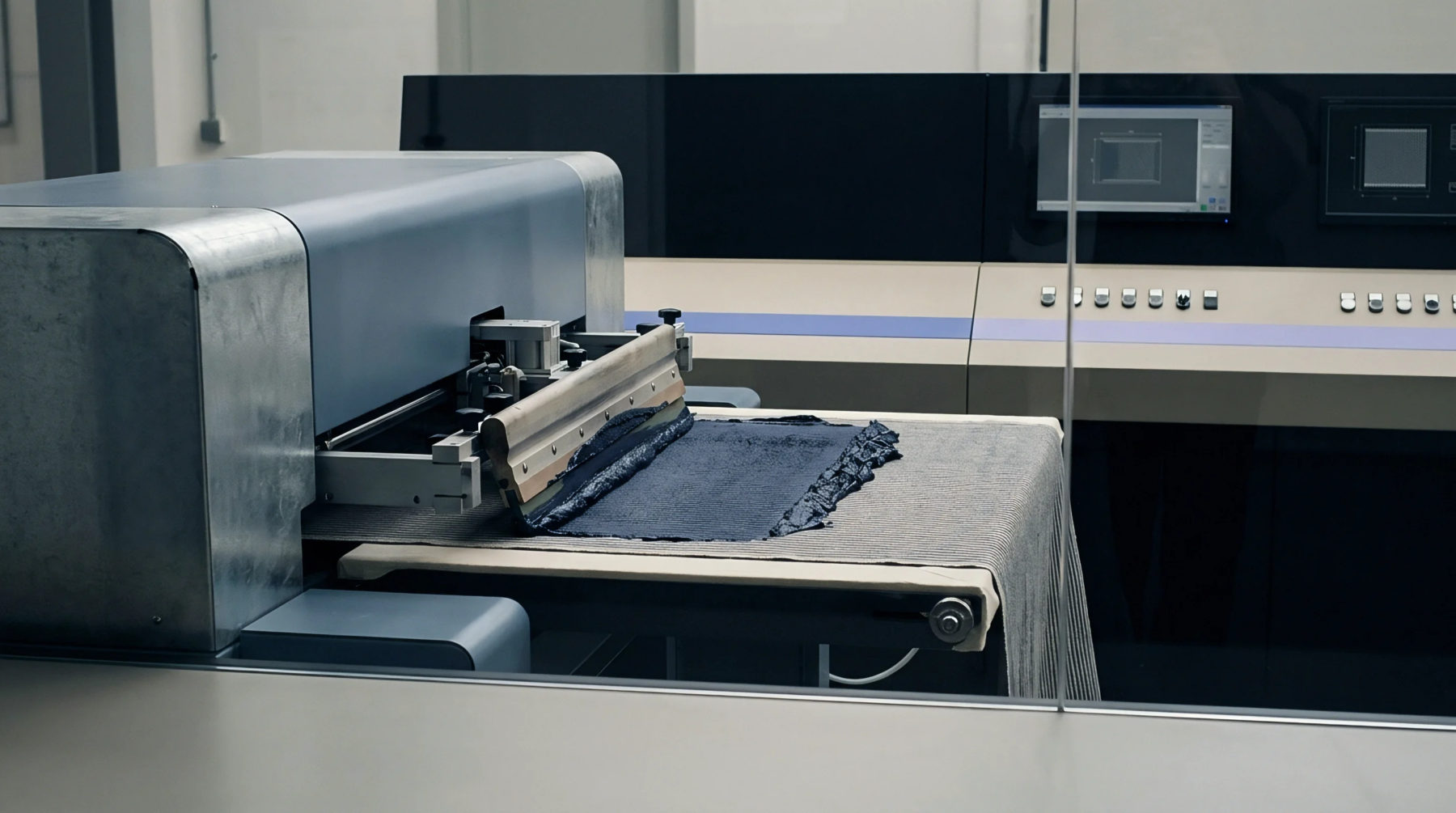
Quality departments at garment factories enforce raw material screening protocols prior to cut and sew operations. Screen print formulations demand rigorous chemical scrutiny because historical textile inks relied heavily on polyvinyl chloride plastisol plasticized with prohibited ortho phthalates. Garment wet processing units replace legacy formulations with water based inks, silicone gels, or compliant acrylic resins plasticized with safe citrates or terephthalate esters.
Master lots of heat transfer logos, drawcord aglets, waterproof membranes, and rubberized buttons undergo documented third party laboratory extraction tests. An accredited third party testing facility digests the polymeric material using tetrahydrofuran followed by gas chromatography analysis to verify individual phthalate contents fall strictly below the statutory zero point one percent limit.
Commercial Enforcement
United States Customs and Border Protection intercepts imported children garments lacking a valid Children Product Certificate supported by accredited laboratory test records. Non compliant shipments containing plastic components that breach the limits established in CPSIA Section 108 face immediate seizure, commercial destruction, and civil penalties levied against the domestic importer of record. Retailers reject entire production lots upon receipt of failed testing certificates, terminating purchase orders without financial compensation to the production mill.
Compliance documents must identify the accredited laboratory, reference the specific lot production run, and accompany every incoming shipment of covered apparel. The statutory restriction remains absolute regardless of garment retail price, brand tier, or production origin.