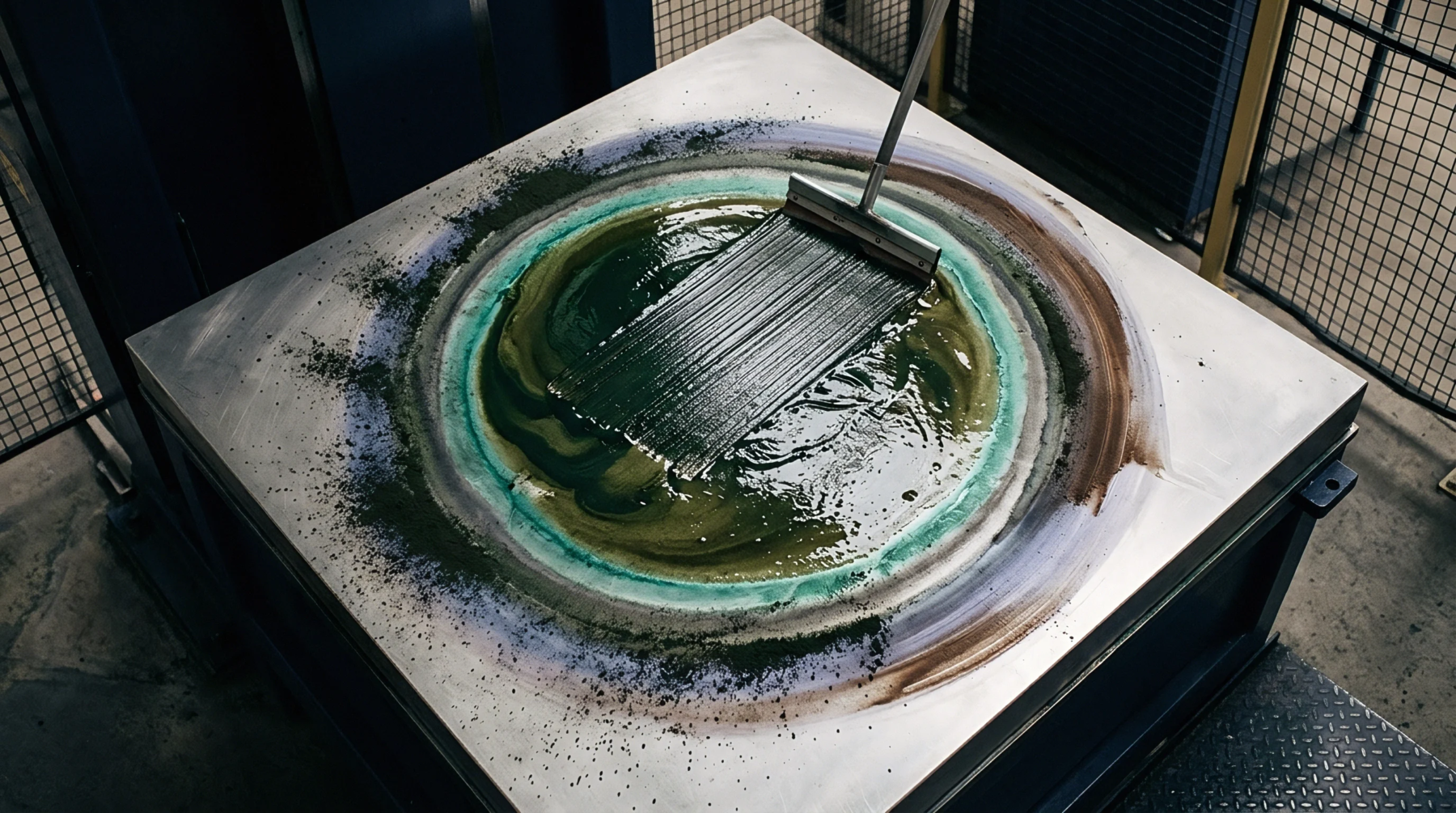
Aromatic Swelling Agent
Chemical swelling accelerants composed of aromatic hydrocarbons, halogenated benzenes or phenolic derivatives facilitate the low-temperature exhaustion of disperse dyes into tightly structured synthetic polymer chains. A carrier compound plasticizes hydrophobic substrates such as standard or modified polyethylene terephthalate, lowering the effective glass transition temperature of the fiber structure. Atmospheric dyeing machinery relies on these organic chemicals when pressure vessels capable of reaching one hundred and thirty degrees Celsius are absent.
Swelling opens internal polymer amorphous regions, allowing dye molecules to diffuse into the fiber core below the normal boiling point of aqueous baths. Dosing rates depend on polymer crystallinity, fabric weight and chosen dyestuff molecular weight.
Diffusion Rate Enhancement
Textile polymers exhibit tight internal chain packing that resists non-ionic dye uptake under atmospheric pressures. A carrier compound creates localized free volume inside the synthetic fiber matrix through temporary intermolecular interactions. Disperse dye particles migrate rapidly through the swollen polymer network and anchor within the hydrophobic domains upon cooling.
Volatile aromatic types generate strong odors and pose workplace safety risks during open jig or winch operations. Biphenyl, orthophenylphenol and alkyl phthalate variants represent standard chemistries applied in legacy dyehouses. Modern alternatives favor biodegradable benzoate esters and methylnaphthalenes that minimize aquatic toxicity profiles while maintaining equivalent exhaustion kinetics.
Fiber Matrix Limitation
Elevated amounts of swelling auxiliaries induce irreversible dimensional distortions in synthetic textiles. A carrier compound accelerates dyestuff migration but simultaneously reduces lightfastness ratings when traces remain unevaporated inside finished yarns. Excessive concentration promotes unlevel dye absorption, resulting in heavy dye deposition along selvages or folded rope creases.
Subsequent thermal fixation processes must volatilize chemical remnants completely to prevent bad odors or poor colorfastness to crocking. High-shrinkage filament yarns lose dimensional stability if bath temperatures and swelling agents interact without tension control. Acrylic polymers experience surface softening, rendering them vulnerable to permanent mechanical crushing marks under roller nips.
Post Dyeing Cleansing
High-temperature washing and thorough reduction clearing remove auxiliary traces from fiber surfaces following atmospheric processing. A carrier compound tends to hold residual dyestuffs on fiber perimeters, worsening wet wash fastness unless removed by caustic sodium hydrosulfite baths. Stenter frame baking drives off residual chemical fractions through exhaust stacks equipped with electrostatic precipitators.
Failure to eliminate volatile carrier remnants leads to persistent solvent scents and surface bloom on consumer garments. Gas chromatography head-space analysis measures remaining parts per million of carrier chemicals in packed fabrics. Trace limits defined by ecological textiles certifications exclude halogenated variants from modern production specifications.