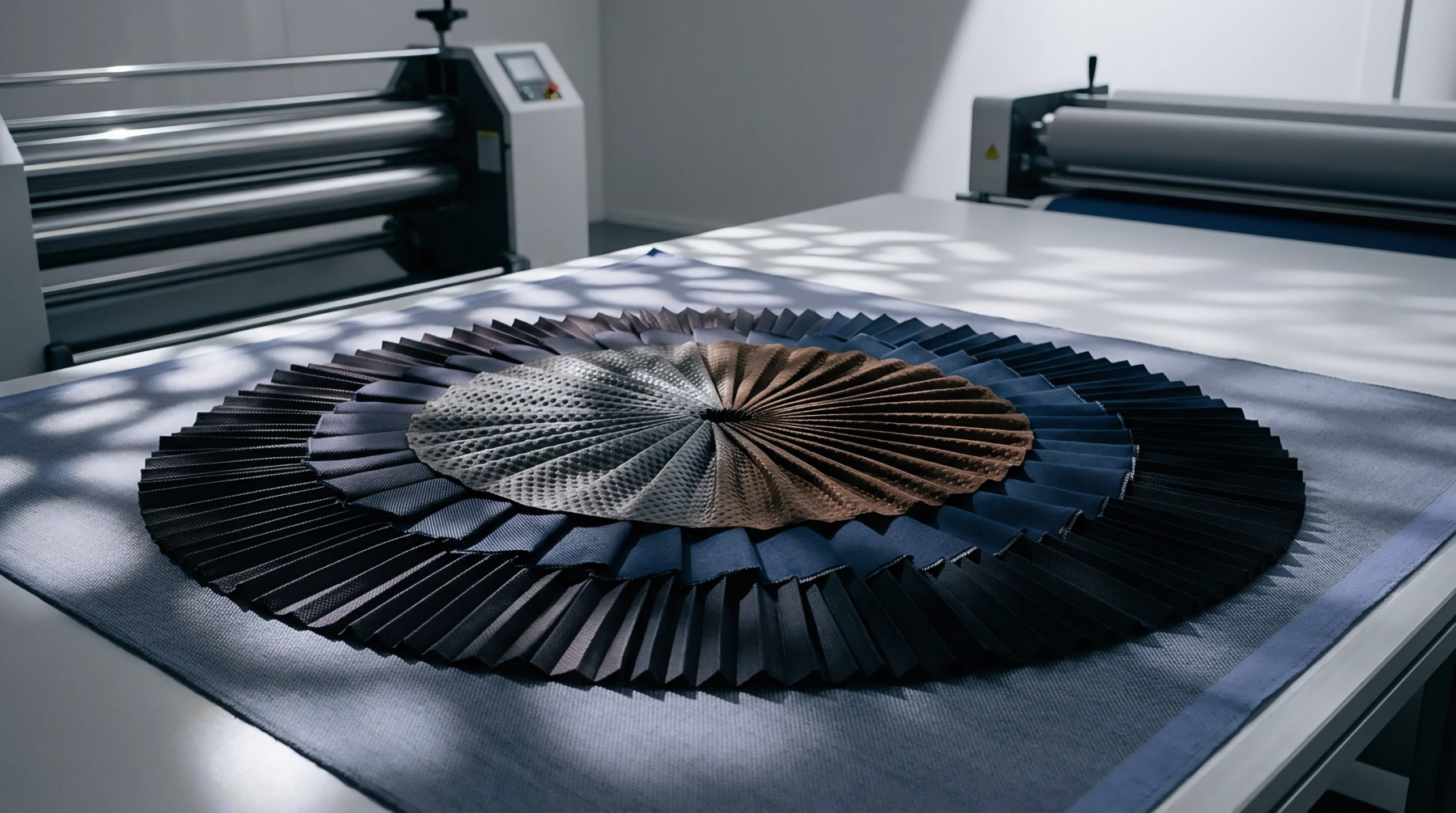
Fiber Separation
Separator performance in rotor spinning machinery relies on centrifugal waste ejection to strip short fibers and trash particles from the carded web before twist insertion occurs. High rotational speeds generate outward acceleration within the opening roller assembly, driving heavier foreign matter through perforated casing grids while retaining clean lint inside the channel. Processing parameters dictate that trash removal efficiency varies directly with rotor diameter and peripheral velocity, establishing strict operating thresholds for different cotton grades.
Trash Separation
Rotational velocity creates outward inertia on dense contamination particles, forcing dense particles through grid openings while lighter staple fibers remain suspended in the air current. Airflow dynamics inside the chamber balance suction forces against outward acceleration, preventing good staple loss during high-speed production runs. Mechanical clearance adjustments between the saw tooth wire and the housing contour determine the boundary where separation ceases to function effectively.
Collection Efficiency
Gravimetric analysis of the extracted residue determines the exact proportion of foreign matter versus valuable fiber lost during production trials. Mill inspectors weigh accumulated debris from the collection chamber against total input mass to verify machine settings before signing off on bulk lot orders. Fine dust accumulation inside the exhaust ducting reduces overall suction pressure, requiring scheduled maintenance intervals to maintain consistent output quality.
Dynamic Balance
Rotational instability within the separation chamber causes uneven trash extraction across the width of the processing web. Mechanical wear on the opening roller teeth alters the trajectory of ejected particles, leading to inconsistent yarn evenness in finished ring-spun packages. Precise balancing of the rotating assembly eliminates vibration signatures that otherwise compromise the purity of the drafted sliver.