Spatial Allocation
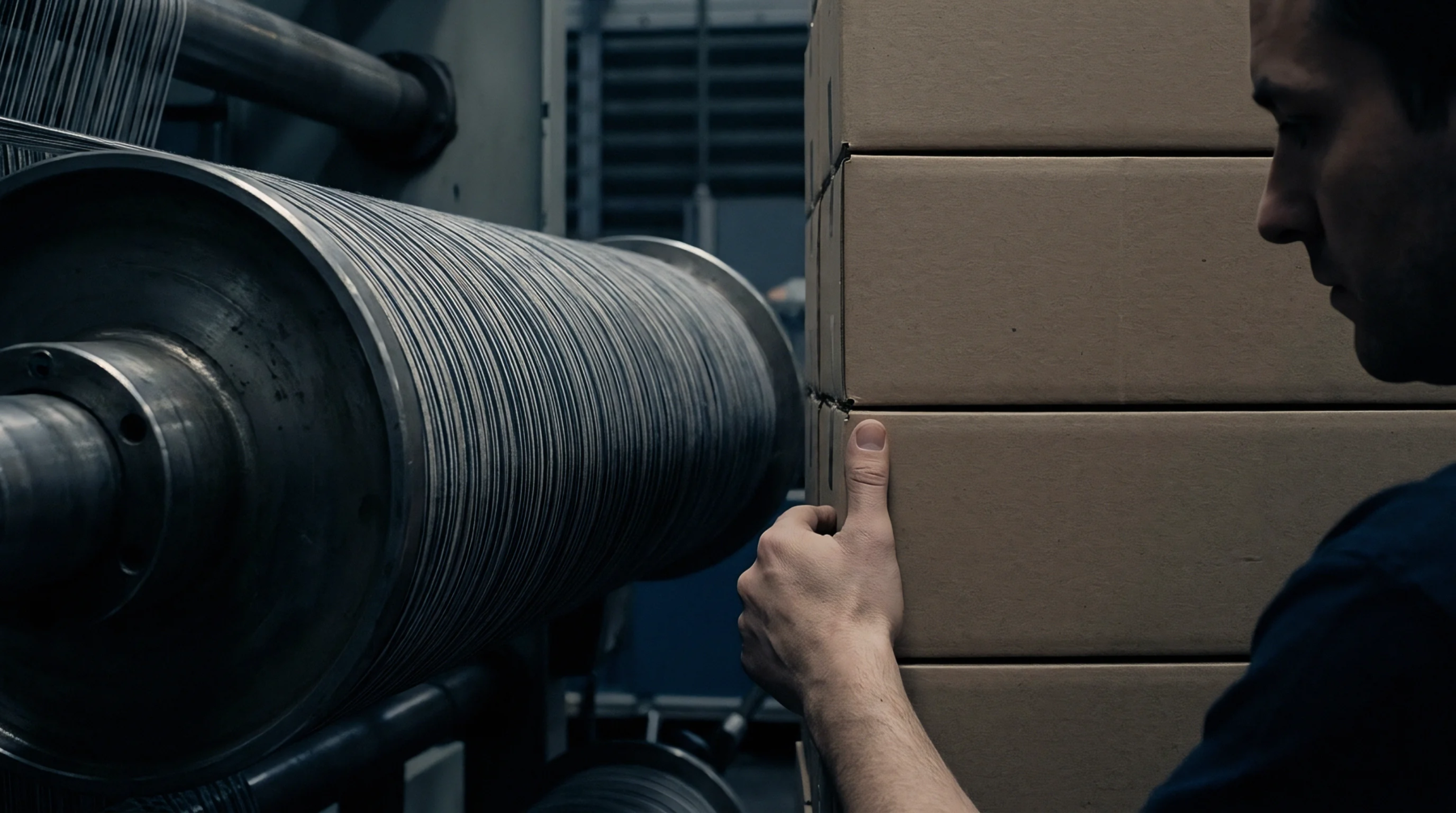
Yarn delivery systems depend on the geometric arrangement of supply packages on a holding frame during warping or knitting. The specific creel position assigned to an individual cone determines the path length and angle of the yarn as it travels to the warper beam. This spatial arrangement affects the path of each yarn thread.
An unequal distance from the cone to the guide bars can introduce tension imbalances across the warp sheet, which can alter the yarn retraction properties during subsequent processes. These differences are particularly critical in high-speed operations where hundreds of yarn strands are gathered simultaneously under high speed and uniform strain.
Tension Variation
Mechanical drag on a yarn thread increases as the distance it travels from its source increases. When a creel position is located further from the collecting comb, the yarn experiences higher friction than yarn from a closer location. This variance in friction can cause uneven stretching or breakage during high-speed warping operations.
To minimize this, mill operators often utilize localized tension compensation devices.
Package Alignment
Angular alignment between the supply package axis and the first guide eyelet is a critical parameter in prevents ballooning instability. If the creel position is offset, the yarn does not exit the cone cleanly, leading to surface abrasion and micro-cracking of the fibre. Such misalignment often causes lint accumulation at the guide point, which can eventually snag the yarn and cause a machine stoppage.
Supply Consistency
Uniformity in yarn delivery across all active packages ensures consistent fabric density in the subsequent knitting or weaving stages. A poorly managed creel position can lead to bands of high tension that become visible only after dyeing, appearing as tight ends or warp streaks. Monitoring these spatial parameters during setup protects the finished cloth from structural bandings.