Cooling Procedure
Preparation processes involving extreme temperature reduction enable the pulverisation of ductile polymers into fine powders without thermal degradation. Using liquid nitrogen to reach temperatures below the glass transition point of the material allows cryogenic sample milling to create a brittle state in synthetic fibres like polyester or nylon. This technique ensures that the heat generated by the grinding mechanical action does not melt the specimen or change its chemical composition.
Structural Integrity
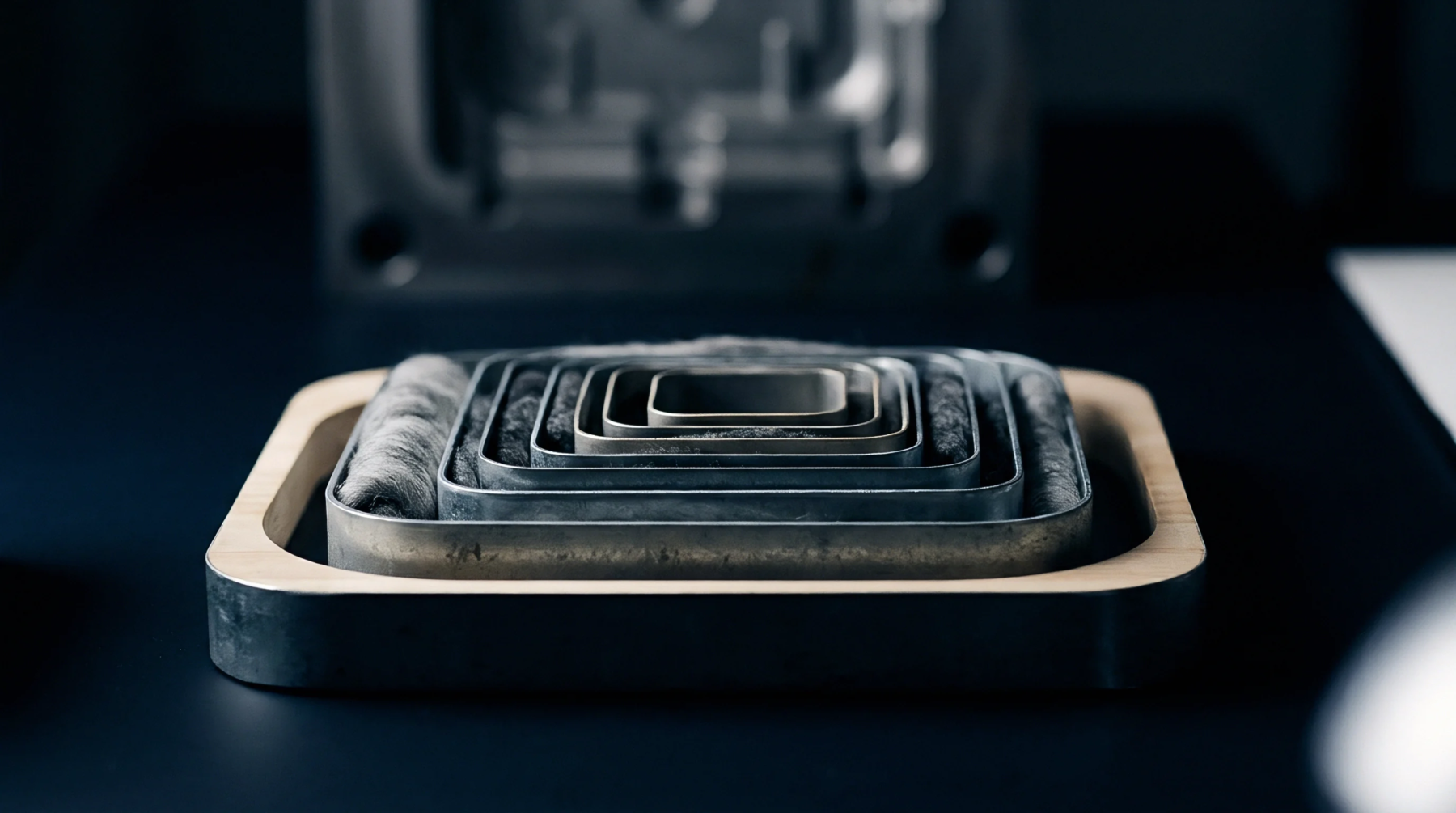
Traditional grinding methods often fail because the friction of the blades softens the thermoplastic material, leading to clumping and inadequate separation. By contrast, cryogenic sample milling maintains the original polymer chain structure while producing a uniform particle size distribution suitable for forensic testing. The mill uses a stainless steel chamber where the specimen is submerged in liquid nitrogen before high speed impact occurs.
Analytical Preparation
Chemical analysis of recycled materials or contaminated batches requires this level of precision to detect trace additives or finishes. Because cryogenic sample milling prevents the evaporation of volatile organic compounds that might otherwise escape during a high temperature grind, the resulting powder provides a more accurate representation of the bulk material. Labs use the fine dust for infrared spectroscopy or gas chromatography to verify compliance with restricted substance lists and to identify the presence of foreign polymers.
Particle Constraint
Milling operations stop once the desired micron size is achieved for the specific test protocol. The final powder must be handled carefully to prevent moisture condensation as it returns to room temperature.