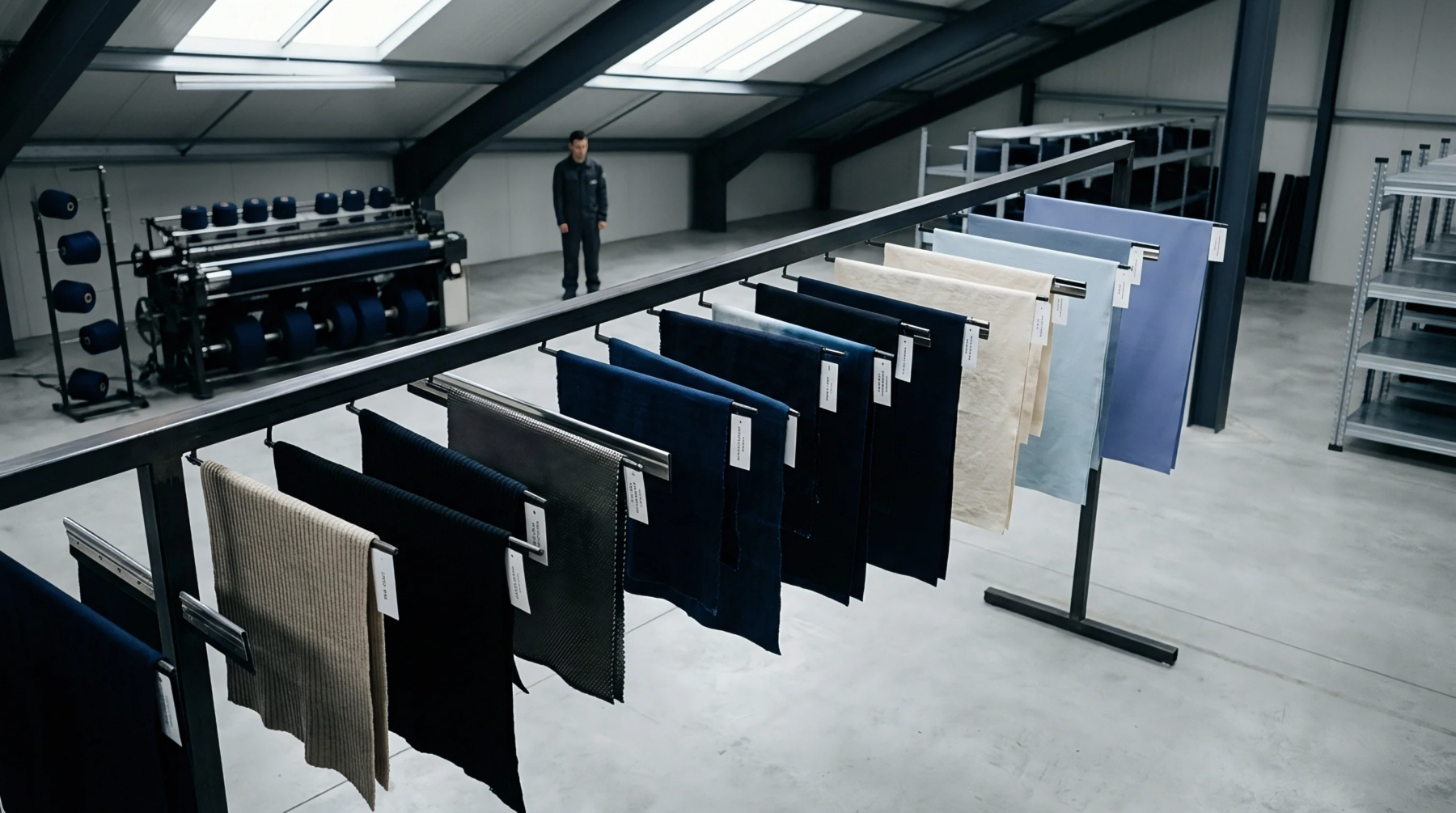
Fabric Weight Tolerance Written as a Range the Mill Holds
Fabric weight tolerance written as a mill range holds commercial validity only when tested under ISO 139 standard atmosphere using ISO 3801 methods.
International trade regulations establish numerical cutoff points to determine the financial duties applied to textile goods entering a sovereign market. Crossing the customs tariff threshold alters the total landed cost of imported apparel by moving the products between specific duty categories based on volume or total value. This metric relies on the de minimis principle, where shipments below a certain dollar amount arrive tax free while those above trigger standard percentage levies.
It functions as a critical ceiling for e commerce businesses and direct to consumer shipments where per package value determines total profit margins. Government authorities monitor these figures to prevent systemic undervaluation of bulk shipments arriving through air and sea terminals.
Determining whether a shipment stays within legal limits requires precise declaration of the full commercial value including logistics and packaging. Under the application of the customs tariff threshold, items receive a specific classification under the Harmonized System codes which match the declared goods to the legal duty rates. Small mistakes in item pricing or quantity count often result in packages being held at the port of entry for detailed financial audit.
Revenue officials compare these declared amounts against historical market averages to identify cases of suspected under invoicing. Documentation must be exhaustive, as single discrepancies between the commercial invoice and the actual content trigger automatic review cycles. Maintaining accurate value logs protects importers from high penalties and seizure of inventory during regular customs inspections.
Fluctuations in national limits significantly change the competitive advantage of international suppliers versus domestic manufacturers within a specific apparel market. High customs tariff threshold levels encourage rapid growth in cross border shipments by reducing the administrative friction and financial burden of high frequency small orders. Conversely, lowering these limits increases the tax capture for the state but raises the price for end users who receive goods through international courier services.
Logistics providers adjust their automated shipping software to warn shippers when the total value of a consolidated batch approaches the target ceiling. It affects decisions regarding split shipping, where single large orders are broken into smaller chunks to avoid crossing into higher duty zones. Compliance relies on clear understanding of the rules in each specific destination country where the fabric or clothing is headed.
Maintaining detailed logs of all previous declarations ensures that a business survives secondary financial reviews by the relevant tax agencies. When checking against the customs tariff threshold, auditors search for systemic patterns where values are kept artificially low through creative item descriptions. Verification often involves checking manufacturing records or original mill receipts to confirm that the reported export price matches the actual cost of production.
Repeated violations in this area often lead to increased inspection frequencies for future shipments from the same supplier or factory. Reliable compliance departments focus on this metric during the quarterly planning of supply chain routes to minimize unplanned tax exposure. Consistent adherence to these boundaries remains essential for maintaining the reliable movement of goods across borders without delays in the processing centers.
Fabric weight tolerance written as a mill range holds commercial validity only when tested under ISO 139 standard atmosphere using ISO 3801 methods.
Expertise is a utility, not a secret. sentiention™ publishes its working knowledge as open reference: intelligence layer covering the materials it sources, the markets it enters, and the reference that serves both.