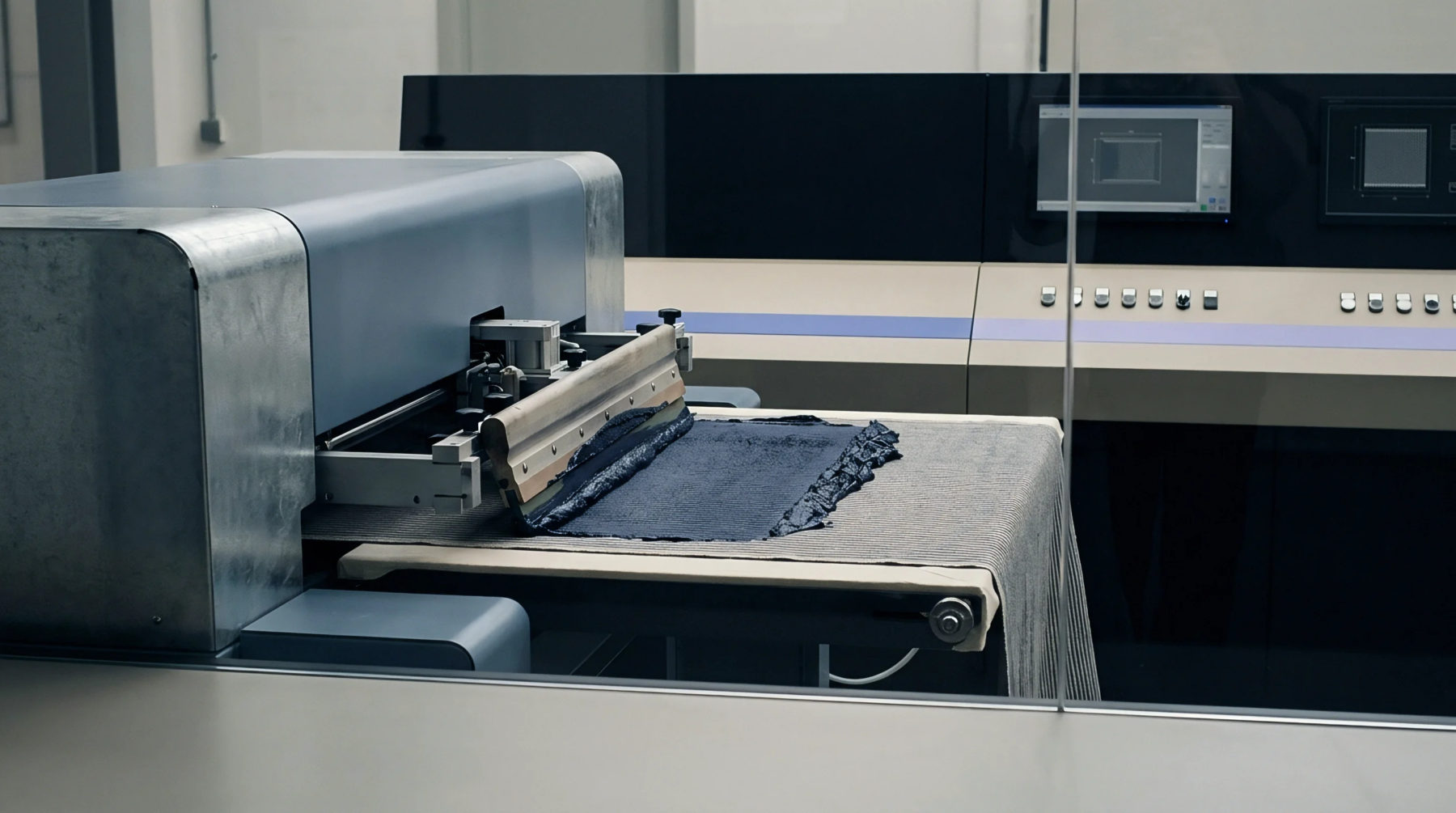
Scheduling System
The scheduling and assignment of specific dye vessels and production lines to fabric batches must balance machine volume, color compatibility, and delivery urgency. Effective dyehouse capacity allocation ensures that expensive machinery does not sit idle while batches wait for processing. It organizes the daily flow of fabric through the pre-treatment, dyeing, and finishing departments.
Proper planning prevents both under-utilization and overcrowding of the production floor.
Vessel Matching
Matching the size of the batch to the capacity of the dyeing machine is necessary to maintain the correct liquor ratio. Running a small batch in a large machine wastes chemicals and energy, while overloading can cause uneven dyeing. For dyehouse capacity allocation, planners group fabric orders by weight and color depth.
This step ensures that each vessel operates at its optimal load.
Sequence Planning
To prevent color contamination, machines are scheduled to run from light shades to dark shades. If a dark shade is dyed first, the machine requires a lengthy, expensive boil-out wash before it can run a light shade. Using dyehouse capacity allocation to group similar colors together reduces the number of machine washes needed.
This sequence saves both water and production time.
Bottleneck Control
Drying processes can become bottlenecked if too many batches finish dyeing at once. Planners stagger start times to ensure a steady flow through finishing. This prevents delays in delivery.