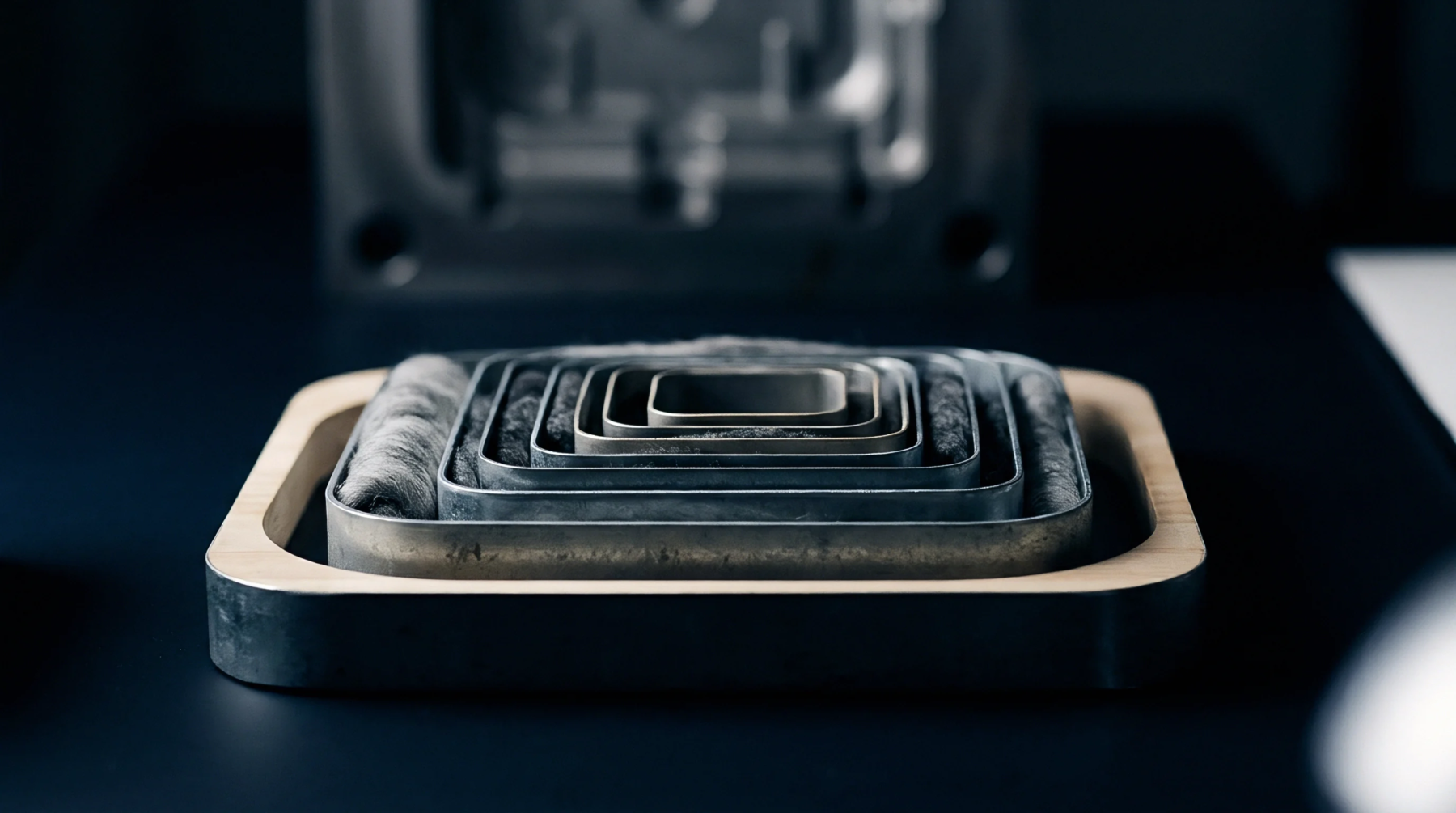
Thermal Conversion
Automated sample processing that burns organic matter at high temperatures converts solid fiber samples into pure gases for isotopic analysis. Utilizing elemental analyzer combustion enables forensic laboratories to analyze the chemical makeup of textiles to verify material authenticity. This process decomposes cotton or wool fibers into carbon dioxide and nitrogen gases.
Gas Purification
Chemical oxidation takes place inside a combustion column packed with metal catalysts and heated to over one thousand degrees Celsius. The textile sample is dropped into the reactor in a capsule made of tin or silver, which reacts with oxygen to generate a flash combustion. This flash raises the localized temperature to nearly eighteen hundred degrees, ensuring complete conversion of the fibers and preventing the formation of soot or partial oxidation products.
Traceability Application
Isotopic fingerprinting uses these converted gases to determine the geographical origin and farming methods of the original fibers. For example, the carbon dioxide produced by elemental analyzer combustion is analyzed for carbon-13 ratios to determine whether a crop was grown organically. This testing protects brands from fraudulent labeling of natural fibers.
Processing Limit
Operational boundaries demand that sample fibers are free of synthetic finishes and dyes that could alter the isotopic ratios. Dyes and sizing agents contain foreign carbon and nitrogen that distort the results. Wash steps are required before testing to isolate the pure cellulose or protein.