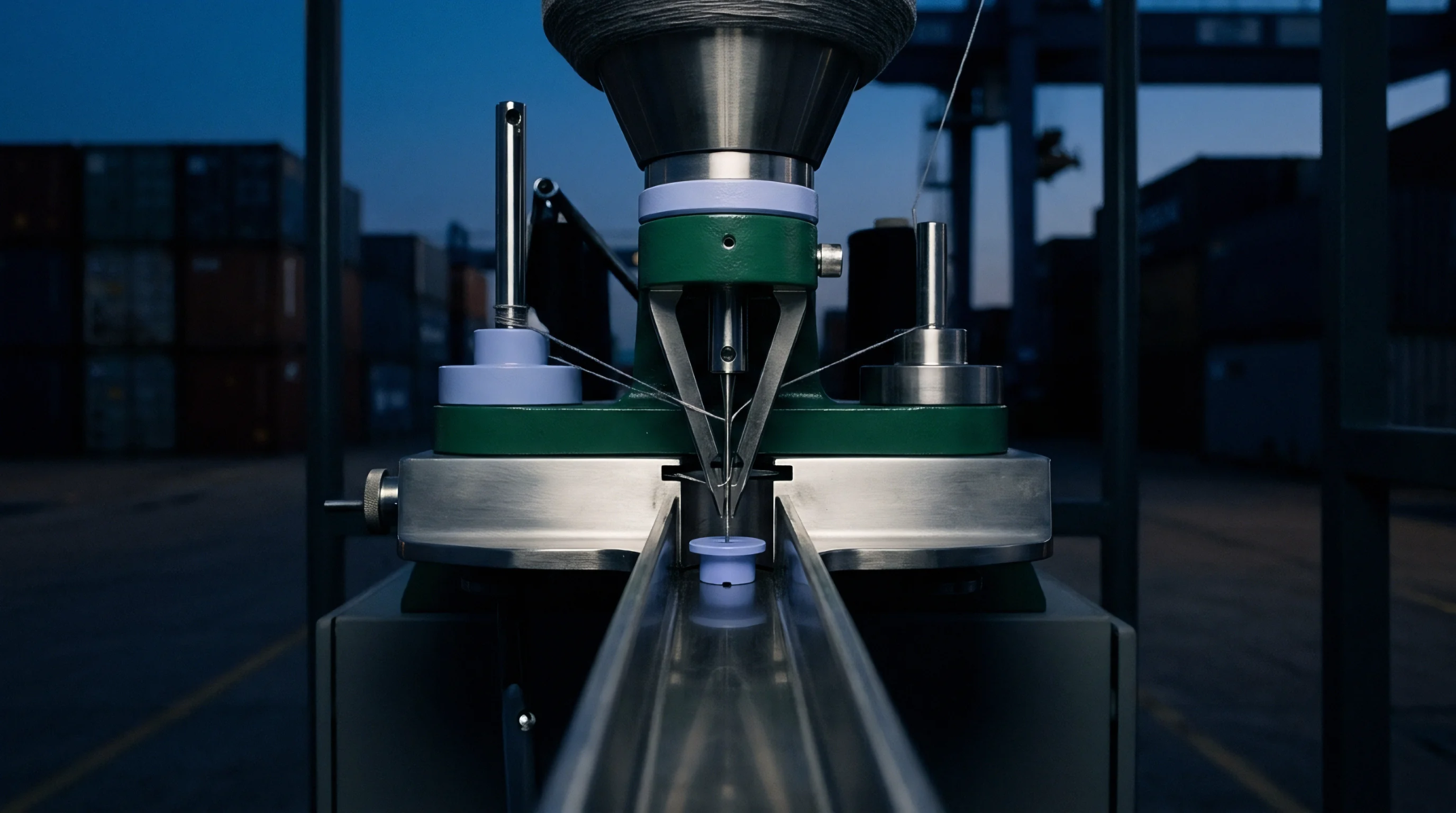
Hydraulic Partitioning
High-pressure liquid stream division occurs during the extrusion of synthetic polymer melts within a spinneret. Flow splitting manages the distribution of material across multiple capillary channels to ensure uniform denier output. This mechanical division operates by geometric obstruction where the melt path meets a junction that forces the liquid into two or more distinct trajectories.
Stability depends on the pressure drop across these internal geometries.
Geometric Consistency
Precision in channel dimensions dictates the cross-sectional shape and size of the resulting filaments. Flow splitting requires exact manufacturing of the internal orifices to prevent uneven residence times that lead to thermal degradation. Variations in the width of the split conduits induce density differences along the filament length.
Discrepancies here result in rejected batches due to irregular dye uptake during later finishing stages.
Viscosity Control
Rheological properties of the molten polymer must align with the split design to maintain laminar movement. If the melt possesses excessive elasticity, flow splitting causes turbulence at the junction point rather than a clean separation of streams. High shear rates during this stage increase the risk of capillary clogging.
Maintaining constant temperature ensures the split remains balanced across all orifices.
Pressure Equilibrium
Consistent output forces represent the primary constraint on the efficacy of split-path systems. When pressure imbalances occur, the filament diameter drifts beyond allowed tolerances and ruins the product quality. Balanced force distribution across the internal network prevents structural inconsistencies in the final synthetic fibre.