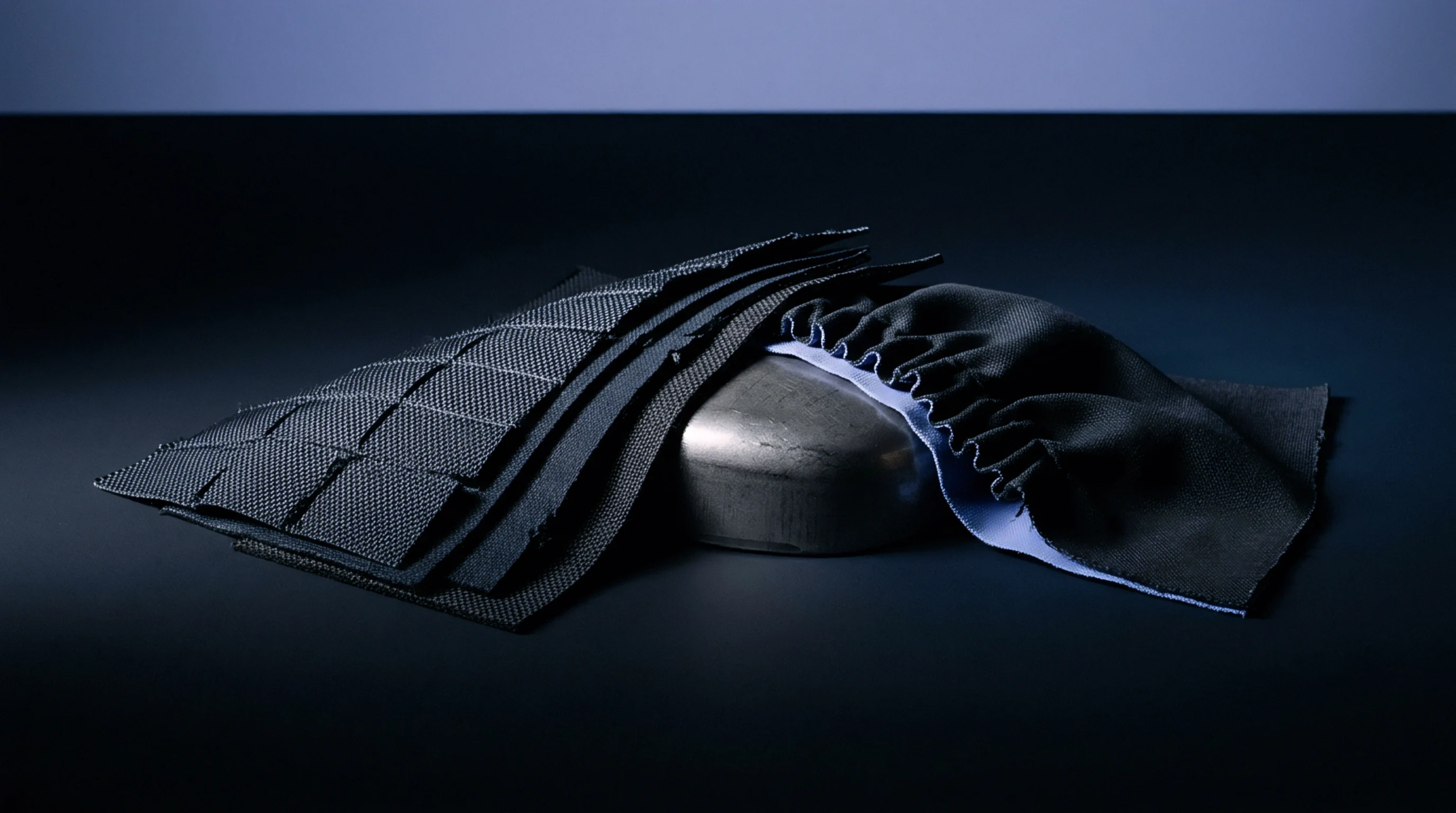
Adhesive Separation
Physical detachment occurs when two bonded material layers lose their mutual grip at the site where they meet. Interfacial delamination describes this failure in high performance laminates used within protective gear or technical sportswear. The loss of bond strength happens primarily when the adhesive force between the substrate and the coating falls below the external stress applied to the finished composite.
Structural Mechanism
Molecules at the junction provide the primary resistance to shear forces during physical wear. Interfacial delamination arises when these atomic connections succumb to chemical degradation from solvents or repetitive mechanical flexion. Excess humidity during the curing process prevents proper wetting of the surface, which leaves micro voids that act as entry points for atmospheric moisture.
Heat cycles then accelerate the spread of these voids by expanding the trapped air pockets until the layers pull apart.
Verification Protocol
Quality control managers verify the integrity of the bond using standardized pull tests that measure the force required to peel layers away from one another. Interfacial delamination appears as a clean break along the boundary line rather than a tear through the material fibers themselves. Technicians record the specific load at which the separation initiates to determine if the batch meets the minimum bond performance requirements set for the product.
Commercial Impact
Production batches exhibiting this defect lose their protective utility and require complete disposal because the failure point compromises the technical integrity of the gear. Industrial purchasers reject goods failing to maintain layer adhesion after accelerated aging trials. Proper chemical matching of the adhesive to the polymer surface remains the only way to avoid this premature separation during the useful life of the product.