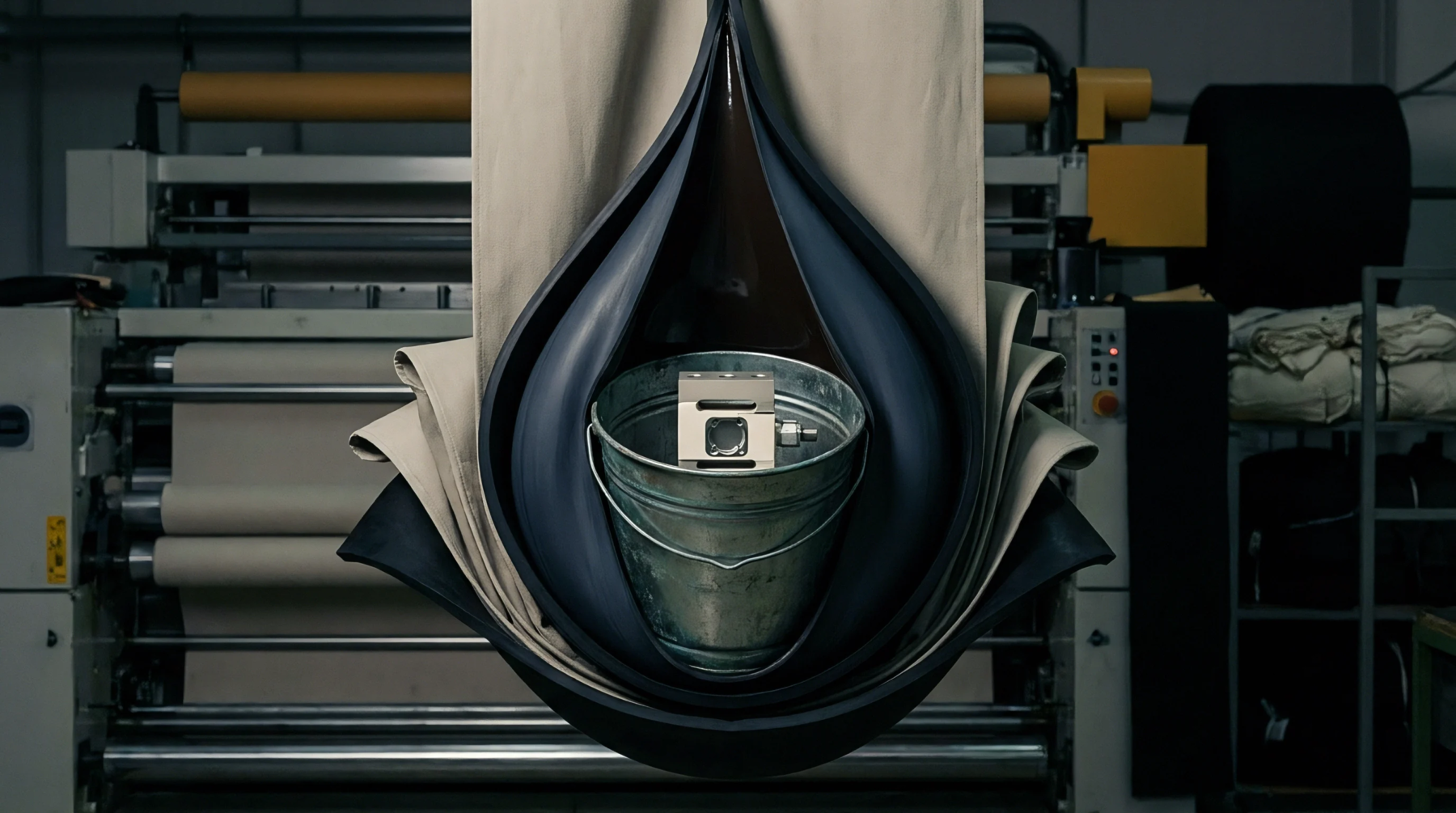
Pressure Gradient
Continuous hot air curing chambers in textile printing ranges maintain precise internal atmospheres to achieve uniform pigment fixation across wide polyester fabrics. Hydrostatic pressure imbalances inside the sealing zones often create isobaric overlap during high speed fixation runs, leading to localized temperature spikes that discolor disperse dyes. Operators measure these pressure differentials using differential manometers positioned at the chamber entry and exit ports.
Seal degradation allows heated air to migrate between adjacent treatment zones, compromising the thermal isolation required for accurate shade matching. Maintenance technicians adjust exhaust damper positions to reestablish proper pressure separation before processing high value synthetic yardage.
Thermal Defect
Localized overheating damages the polymer structure of synthetic fibers during continuous high temperature processing. Excessive heat exposure alters dye uptake characteristics, producing visible streaks across finished rolls of knitted apparel fabric. Quality control inspectors identify these defects under standardized daylight lamps during final grey room examination.
Mills reject affected lots because irregular dye penetration fails commercial color fastness standards.
Pneumatic Control
Automated valves regulate air injection rates within multi stage finishing machinery to stabilize internal atmospheric zones. Programmable logic controllers monitor pressure sensors continuously and modulate blower speeds instantly. Proper calibration prevents adjacent chamber pressures from merging during production surges.
Mechanical wear on valve actuators eventually degrades system response times, necessitating scheduled component replacement.
Calibration Standard
Industrial finishing plants follow specific calibration protocols to maintain acceptable operating margins across all heating zones. Technicians verify sensor accuracy against certified reference gauges during routine maintenance shutdowns. Adherence to established pressure tolerances prevents recurring thermal defects in bulk polyester production runs.
Precise calibration ensures consistent commercial yield across extended manufacturing shifts.