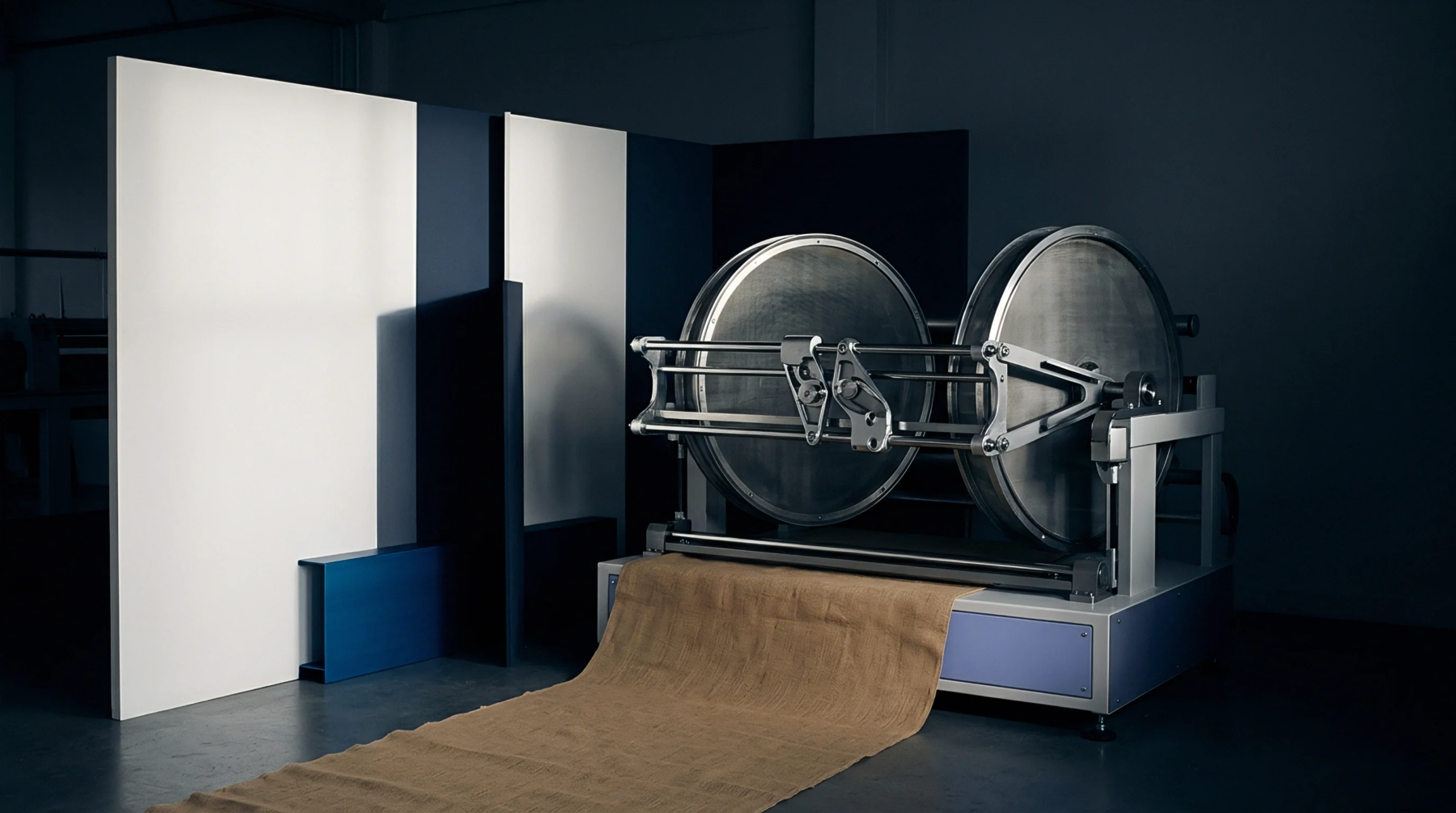
Production Velocity
Production velocity defines the actual operating speed of a textile manufacturing line, usually measured in linear meters per minute during continuous processing stages like weaving or finishing. Machine manufacturers calibrate line rate against mechanical limits and yarn tensile strength to prevent breakage during high speed runs. Operators monitor the metric continuously to verify that output matches scheduled targets set in the production plan.
Mechanical Constraint
Mechanical design parameters limit how fast a loom or a stenter frame can operate safely without degrading fabric quality or damaging components. Excessive speed increases yarn tension sharply, causing warp breaks that halt the entire weaving assembly. Maintenance teams adjust drive motors and tensioners to keep the operational pace within safe tolerances specified by equipment makers.
Quality Threshold
Fabric inspection systems evaluate material consistency while the line operates at high velocity to detect dyeing flaws or structural defects early. Speed variations across the run often introduce uneven tension, creating streaks in dyed cloth or inconsistent width dimensions in finished sheeting. Quality control supervisors halt production whenever output speed exceeds the threshold where optical sensors lose accuracy.
Cost Optimization
Operating machinery at maximum velocity reduces overhead allocation per linear meter produced in large volume orders. Energy consumption per unit decreases as fixed plant costs spread across a higher output volume during continuous shifts. Mill managers balance speed against utility costs and waste rates to find the economic optimum for each specific fabric construction.