Lateral Variation
Color variation across the width of a fabric roll represents a persistent quality defect in continuous dyeing. The presence of list-to-list shading occurs when the selvedge edges have a different depth of shade than the center.
Mechanical Cause
This issue arises from non-uniform pressure across the pad rolls during chemical application. If the roll ends apply less squeeze pressure than the middle, more dye liquor remains on the edges of the fabric, leading to darker selvedges. In addition, uneven heat distribution in the pre-dryer or drying ovens can cause migrated dye to accumulate on the edges, resulting in a distinct striping effect across the width of the roll.
Process Control
To prevent this, mills must run regular squeeze-roll pressure checks using carbon paper or electronic sensors. Adjusting the padder crown compensates for the bending of the rolls under pressure. Keeping the airflow and temperature uniform across the drying chamber prevents the moisture from drying faster at the edges than the center.
Garment Impact
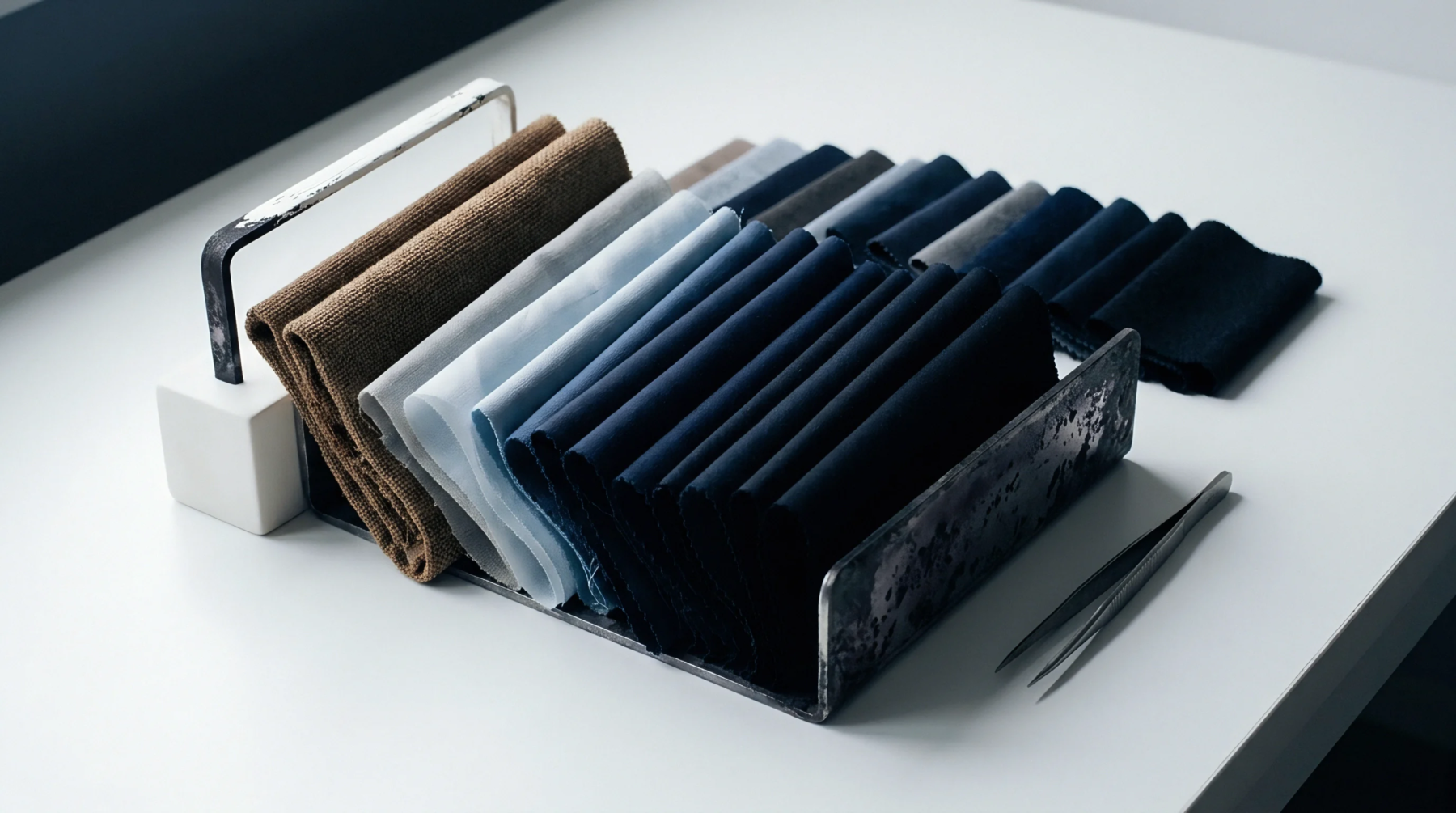
Garment factories must test rolls by taking cuttings from both edges and the center. These cuttings are placed next to each other to assess the shade consistency. If the variation is too high, the roll must be rejected or carefully marked to prevent the cutting room from mixing edge panels with center panels in the same garment.