Degraded Anhydroglucose Polymer
Chemically converted natural polysaccharide starches processed with active oxidizing agents like sodium hypochlorite produce sizing and coating agents characterized by reduced molecular weight, high carboxyl content and excellent paste fluidity. Identified within textile sizing formulations as oxidized starch, this converted polymer forms clear, water-soluble solutions with minimal retrogradation tendencies during continuous warp application. Sizing departments utilize this modified biopolymer primarily on cotton and viscose yarns to coat fine filaments without causing high bath viscosity.
The analytical scope excludes non-oxidative acid-thinned dextrins and cationic etherified starch variants that carry positive ionic charges.
Oxidation Mechanism
Reaction of native starch slurries with alkaline hypochlorite introduces carboxyl and carbonyl functional groups onto specific carbon positions within individual anhydroglucose units. This chemical introduction creates electrostatic repulsion between adjacent linear amylose chains, preventing the linear segments from aligning, crystallizing and forming thick insoluble gels upon cooling. Oxidized starch undergoes simultaneous depolymerization via the oxidative cleavage of alpha-one-four-glucosidic linkages, which lowers the average degree of polymerization across the carbohydrate structure.
Controlled oxidation degrees determine the balance between reduced paste viscosity and final film tensile strength.
Weaving Functionality
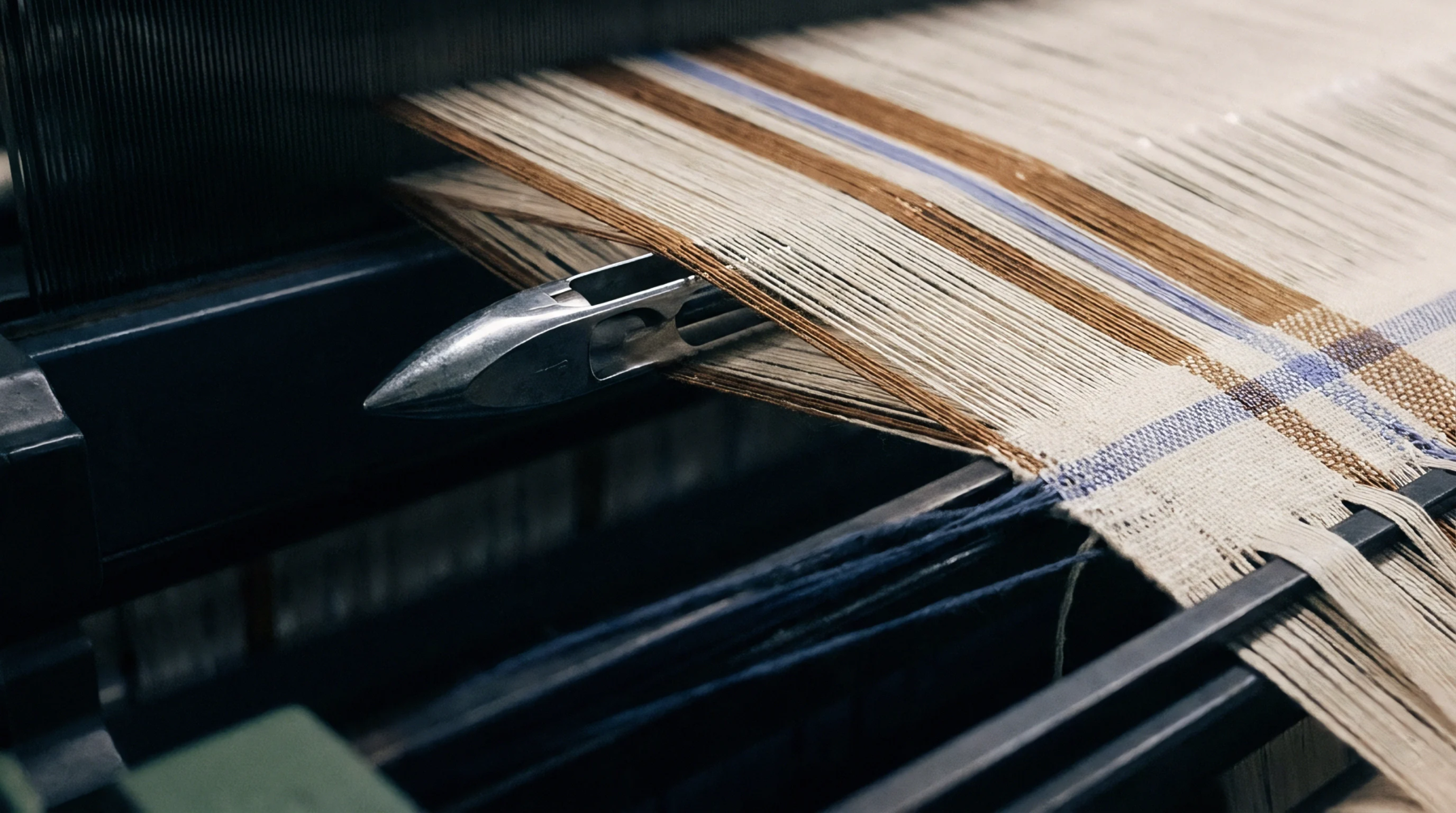
High bath fluidity enables uniform yarn penetration into the core of dense ring-spun or open-end yarns without leaving thick crusts on outer perimeter surfaces. Films formed from oxidized starch dry into flexible, clear and highly hydrophilic coatings that encapsulate projecting surface hairs to minimize yarn-to-yarn abrasion during weaving. The heightened polar nature provided by carboxyl groups improves chemical adhesion to cellulosic fiber surfaces, preventing flaking and dusting in the loom shed.
Desizing operations remove oxidized starch easily using hot water or mild alkaline washes, eliminating the need for aggressive enzymatic desizing treatments.
Analytical Monitoring
Batch testing protocols evaluate carboxyl and carbonyl content through wet chemical acid-base titration methods. Viscosity measurements conducted on hot pastes assess fluid stability and shear resistance, ensuring the oxidized starch maintains uniform film pick-up throughout long production runs. Sizing audits monitor for over-oxidation, which breaks anhydroglucose chains too severely, producing brittle, weak films that fail to protect warp yarns from abrasive mechanical stresses.
Effluent assessments track chemical oxygen demand values from oxidized size residues to ensure wastewater facilities handle discharged organic washing loads without operational upset.