Suction Infrastructure
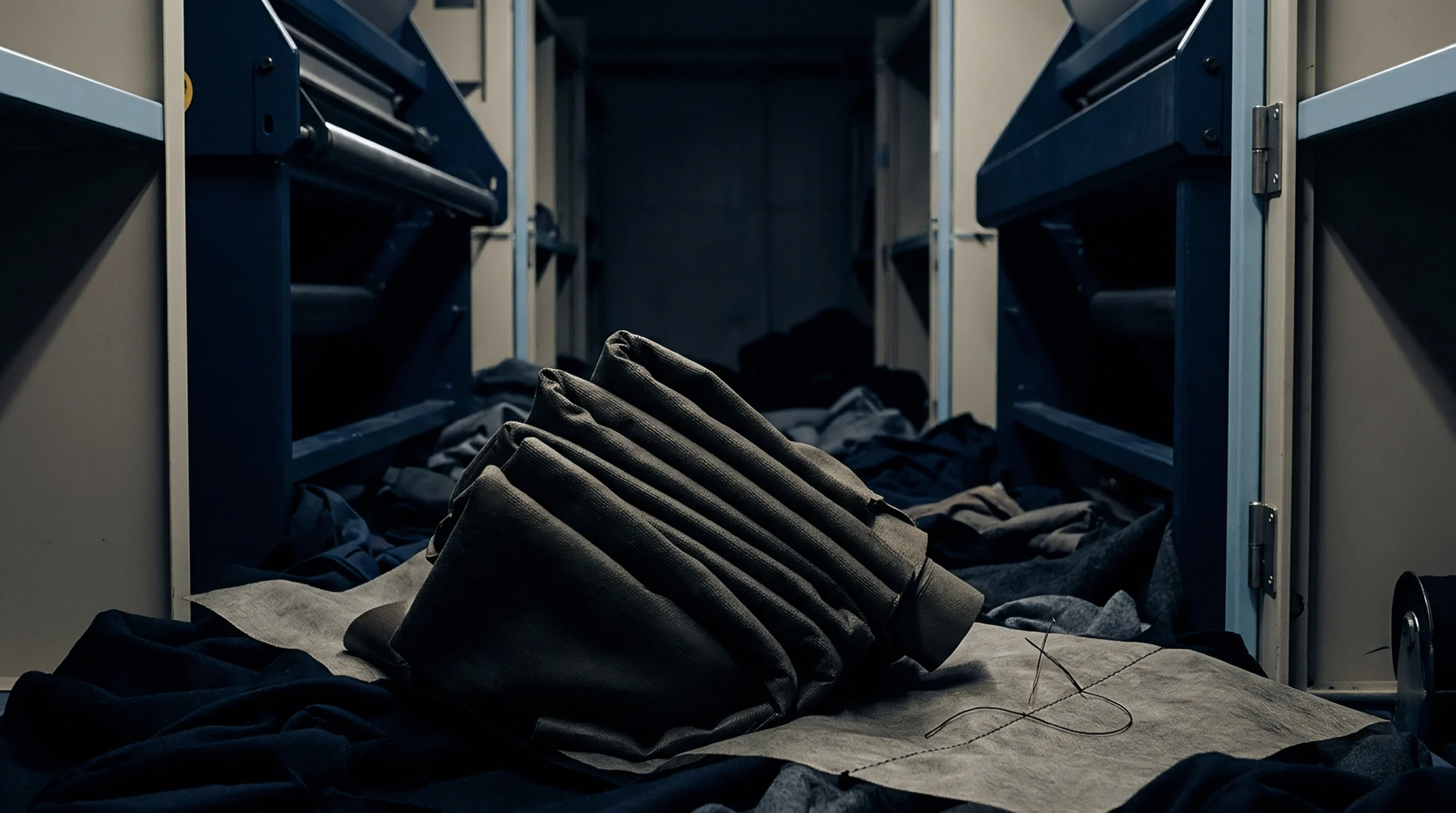
Automated system uses vacuum pressure to gather fiber lint and trash from various points in a textile mill. Pneumatic waste collection prevents the accumulation of combustible debris on machinery and floors. It consists of a network of pipes, fans, ducts, and filtration units that move waste to a central disposal area.
Airflow Design
Suction hoods are placed at critical points such as the carding cylinder, the comber aspirator, the draw frame, and the spinning frame nozzles. The air velocity must be sufficient to lift the specific mass of the waste without interfering with the primary production flow. Centrifugal separators or bag filters then extract the solids from the air stream.
Operational Benefit
Continuous removal of micro-dust improves the working environment and protects the health of the staff. It also prevents the cross-contamination of different fiber blends by ensuring that stray fibers are quickly sequestered. Clean machines run longer between maintenance intervals and produce fewer defects in the yarn and fabric.
Resource Recovery
Collected materials are often baled and sold as secondary raw materials or recycled into non-woven products. This recovery helps the mill offset a portion of the raw material loss incurred during processing. Effective pneumatic waste collection is a standard feature in high-efficiency modern textile plants.