Swatch Archiving
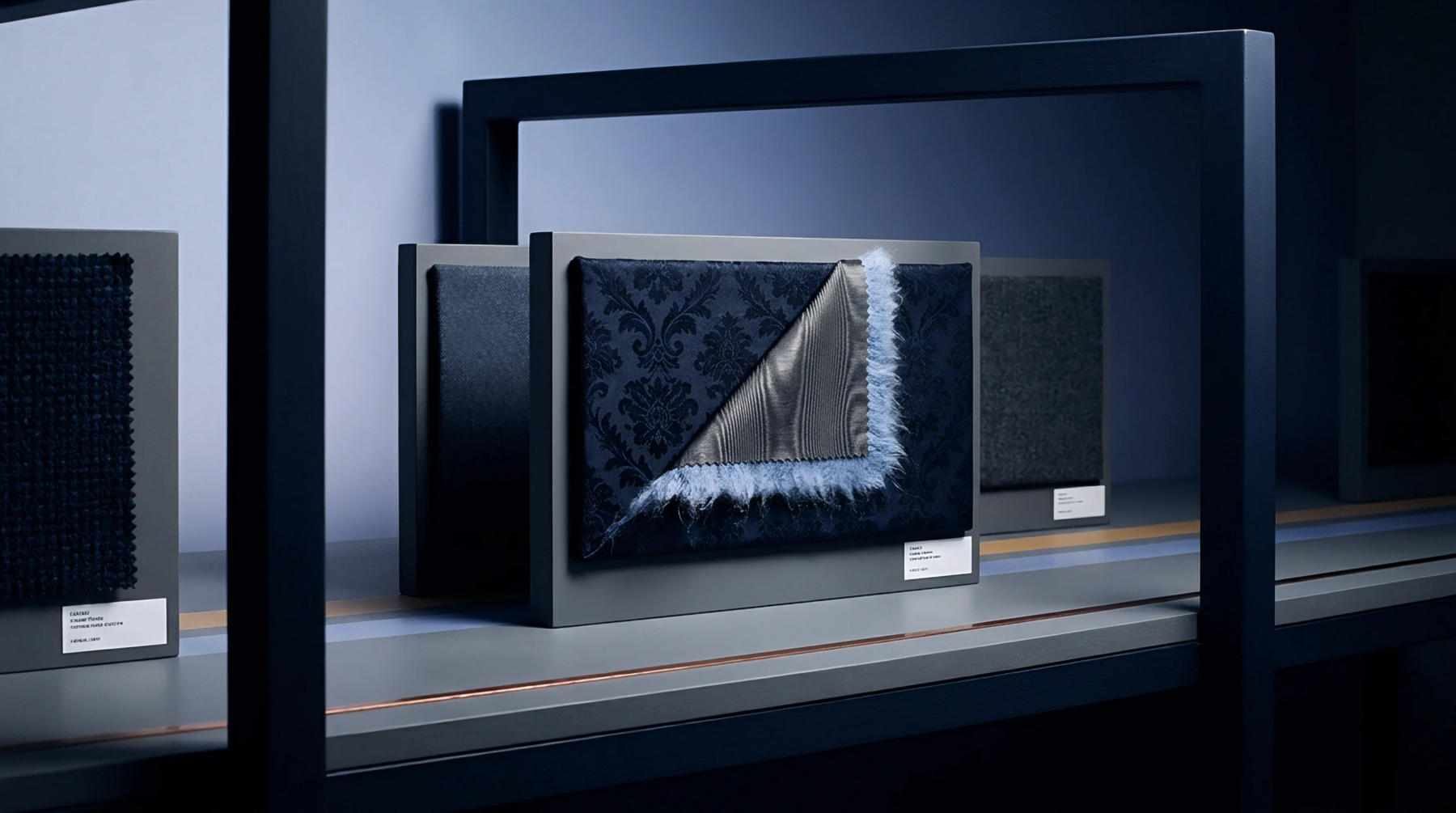
Physical fabric samples kept for verification establish the provenance of textile production by creating a link between a bulk shipment and the approved quality standards. The retained swatch protocol defines the duration, storage conditions, and identification criteria for these reference pieces held at production facilities. Parties involved in the manufacturing chain rely on these materials to settle disputes regarding shade, handle, or weight variations between the initial delivery and a later claim.
Storage Requirement
Climate control protects the structural integrity of the held fabric against degradation or contamination. Proper environmental management involves maintaining constant temperature and humidity levels to prevent fiber breakdown or color shifts that could invalidate a future comparison. A shelf life designation usually dictates the period during which these samples remain legally admissible for reconciliation purposes.
Verification Sequence
Quality assurance professionals utilize these remnants when a buyer requests an investigation into the consistency of finished goods. An auditor retrieves the archived item and places it beside a randomly selected piece from the inventory to perform a side by side assessment under a standardized light source. This comparison confirms whether the current batch conforms to the contractual baseline agreed upon during the preproduction phase.
Liability Boundary
Legal consequences depend on the validity of the preserved sample as a proxy for the actual order. If a plant fails to maintain the correct archival chain, that party assumes full responsibility for any discrepancies identified in the bulk cargo during the final check. This obligation ensures that archival practices remain a central component of quality risk mitigation in global supply chains.