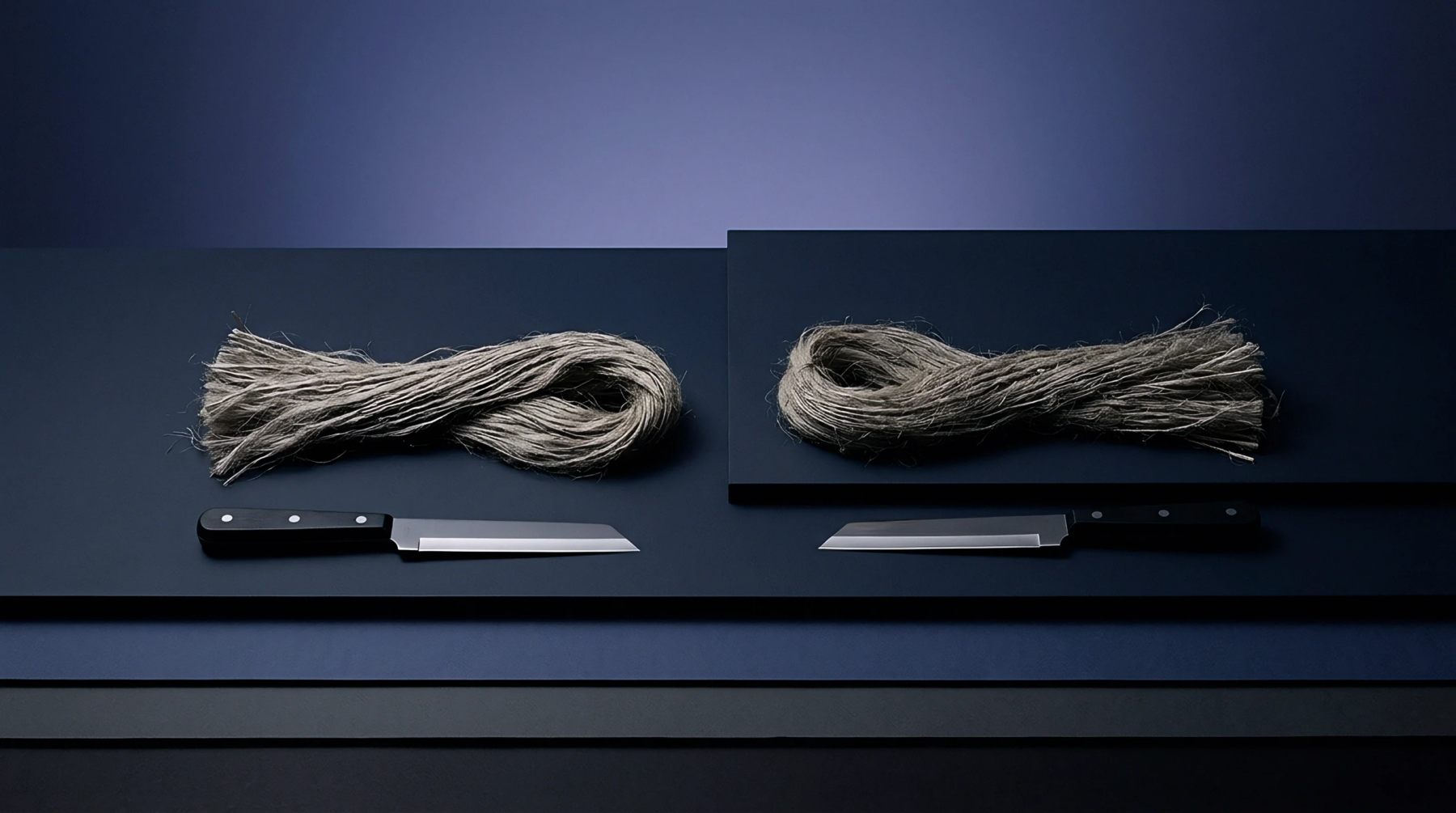
Chemical Extraction
Acid hydrolysis and alkaline treatment remove non-cellulosic components from raw biomass to yield purified cellulose. Sample preparation delignification focuses on the removal of lignin to expose the structural framework of natural fibres before testing physical strength or chemical composition. This procedure prevents interference from phenolic compounds during subsequent analytical steps such as viscosity measurement or spectroscopic quantification.
Reaction Kinetics
Precise regulation of time and temperature ensures the removal of intercellular adhesives without degrading the primary cellulose chains. A dilute solution of sodium hydroxide or an oxidative bleaching agent breaks the complex aromatic structure of lignin during the laboratory assessment. Optimal conditions protect the fibre length and integrity against over-processing.
Operational Variance
Variations in the original lignin content of bast or leaf fibres require specific adjustments to the reagent concentration. A laboratory practitioner measures the residual mass loss after treatment to determine the total lignin percentage within a textile raw material. Consistency in the bath ratio prevents uneven dissolution across multiple samples from the same production lot.
Analytical Outcome
Measured solubility percentages after the protocol provide a quantitative basis for grading pulp quality or fibre maturity. High efficiency in this removal process allows accurate characterization of cellulose crystalline structure for synthetic manufacturing. The resulting purity of the specimen governs the accuracy of all downstream data interpretation.