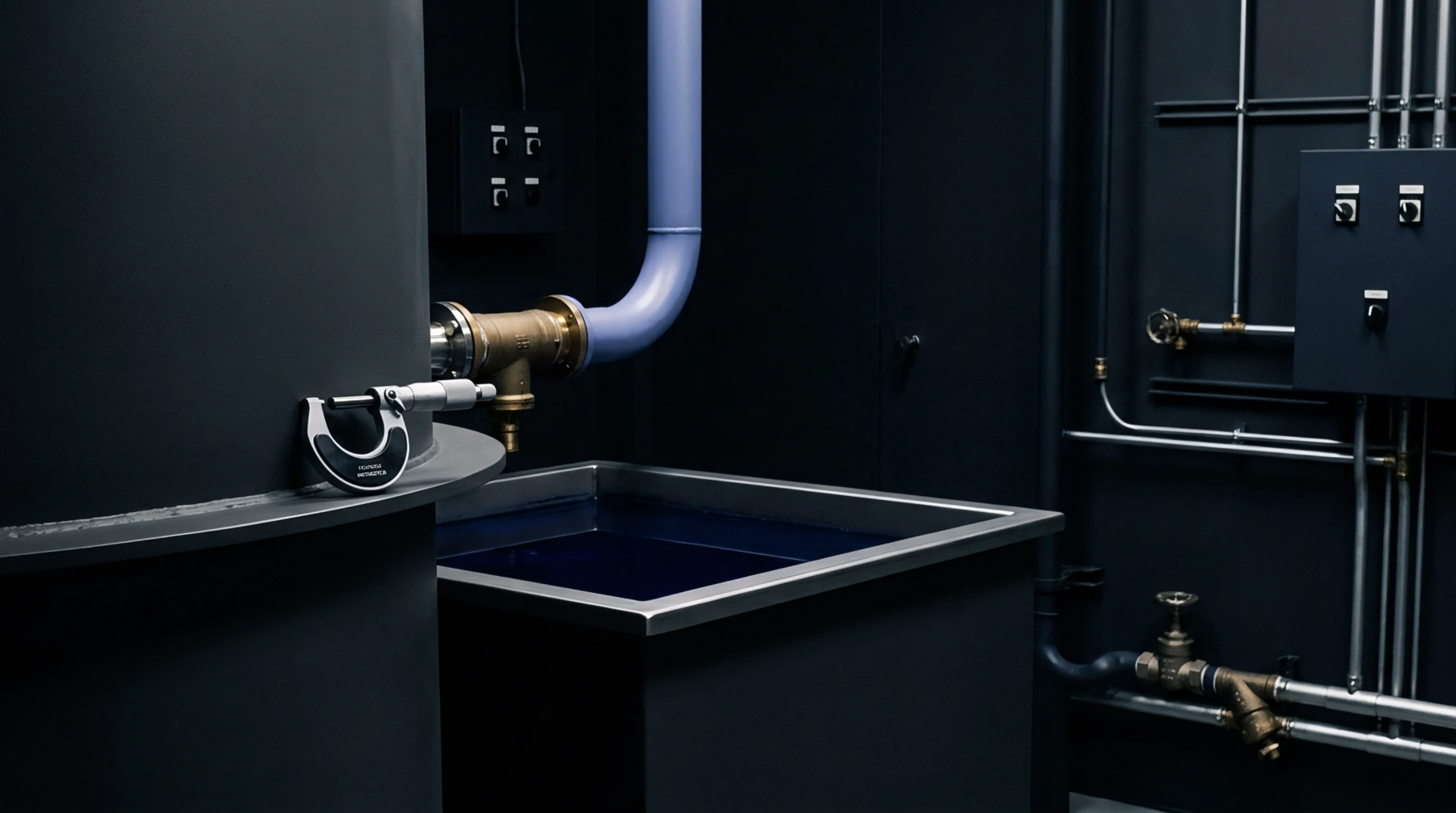
Dyehouse Vessel Hydraulics and Dye Lot Conversion Schedule Reconciliation
Dye lot conversion schedule reconciliation requires matching greige bulk density and nozzle hydraulics to vessel capacity, preventing pump cavitation and shade drift.
Gentle transport systems utilize atmospheric or pressurized vessels that move fabric ropes using high liquor volumes rather than mechanical winches to minimize material stress. Adopting soft flow overflow technology allows textile mills to process delicate knit fabrics such as single jersey and lightweight viscose without damaging the fragile surface loops. This equipment operates by lifting the cloth over a central reel through a shallow weir or overflow slot where the falling water creates the forward momentum.
Unlike older jet machines that use a concentrated high-speed nozzle, this system relies on the continuous displacement of water to push the material along a lubricated path. This lower kinetic energy approach protects the aesthetic handle of the fabric and prevents the structural stretching that ruins the shape of knitted garments. By maintaining a large liquor to goods ratio, the machine ensures that the fabric remains fully floated and open during the multi hour treatment cycle.
Circulating the liquor through the machine requires a specialized overflow manifold that keeps the level consistent across the entire width of the transport nozzle. The soft flow overflow process uses the gravitational drop of the liquid in the storage section to provide the gentle push required to turn the heavy wet fabric rope effectively. This mechanical behavior depends on a primary pump that lifts the liquor into a header tank, which then cascades into the fabric chamber via a widened slot.
This setup ensures that the fabric is encased in a protective bubble of water at all times, reducing the frequency of hard impacts against the stainless steel walls. Technicians adjust the overflow height to change the fabric speed based on the material weight and the specific cycle requirements of the dye recipe. Achieving this delicate hydraulic equilibrium prevents common issues like foaming or air bubbles which can lead to light spots in the dyed finish.
Maintaining the quality of modern leisure wear requires mills to prioritize fabric integrity over raw processing speed by choosing machines that treat filaments with care. Soft flow overflow equipment is particularly valued because it naturally avoids the create marks and pilling associated with high velocity impact zones. The low tension environment created inside the vessel allows the cotton loops to relax and shrink naturally which results in superior dimensional stability once the fabric is dry.
Because the speed of the cloth is regulated by the gentle water stream, there is less friction between individual folds as they traverse the internal loops of the machine. This reduction in physical abuse is the main reason why global retail brands mandate the use of overflow technology for their premium basic collections. The consistency of the hand feel achieved through this method remains difficult to replicate with traditional high pressure batch dyeing units.
Managing these machines involves regular inspections of the weir and transport nozzles to ensure they remain clear of lint or mineral deposits that could disrupt the laminar flow. In a high capacity soft flow overflow unit, operators verify the synchronization between the variable drive motor and the pump output several times per shift to avoid jams. If the water flow drops, the fabric may accumulate in the bottom of the kier, leading to uneven chemical application and potential mechanical tangles.
Modern versions of these units include automated sensors that adjust the level in the overflow header in real time to match fabric absorption. This technological advancement keeps the liquor to goods ratio low without risking machine stoppage, effectively reducing water and energy consumption per kilo of product. Successful mill managers optimize these circulation settings to balance maximum load weight with the necessary gentle touch required for high value knitwear.
Dye lot conversion schedule reconciliation requires matching greige bulk density and nozzle hydraulics to vessel capacity, preventing pump cavitation and shade drift.
Expertise is a utility, not a secret. sentiention™ publishes its working knowledge as open reference: intelligence layer covering the materials it sources, the markets it enters, and the reference that serves both.