Concentrated Solvent
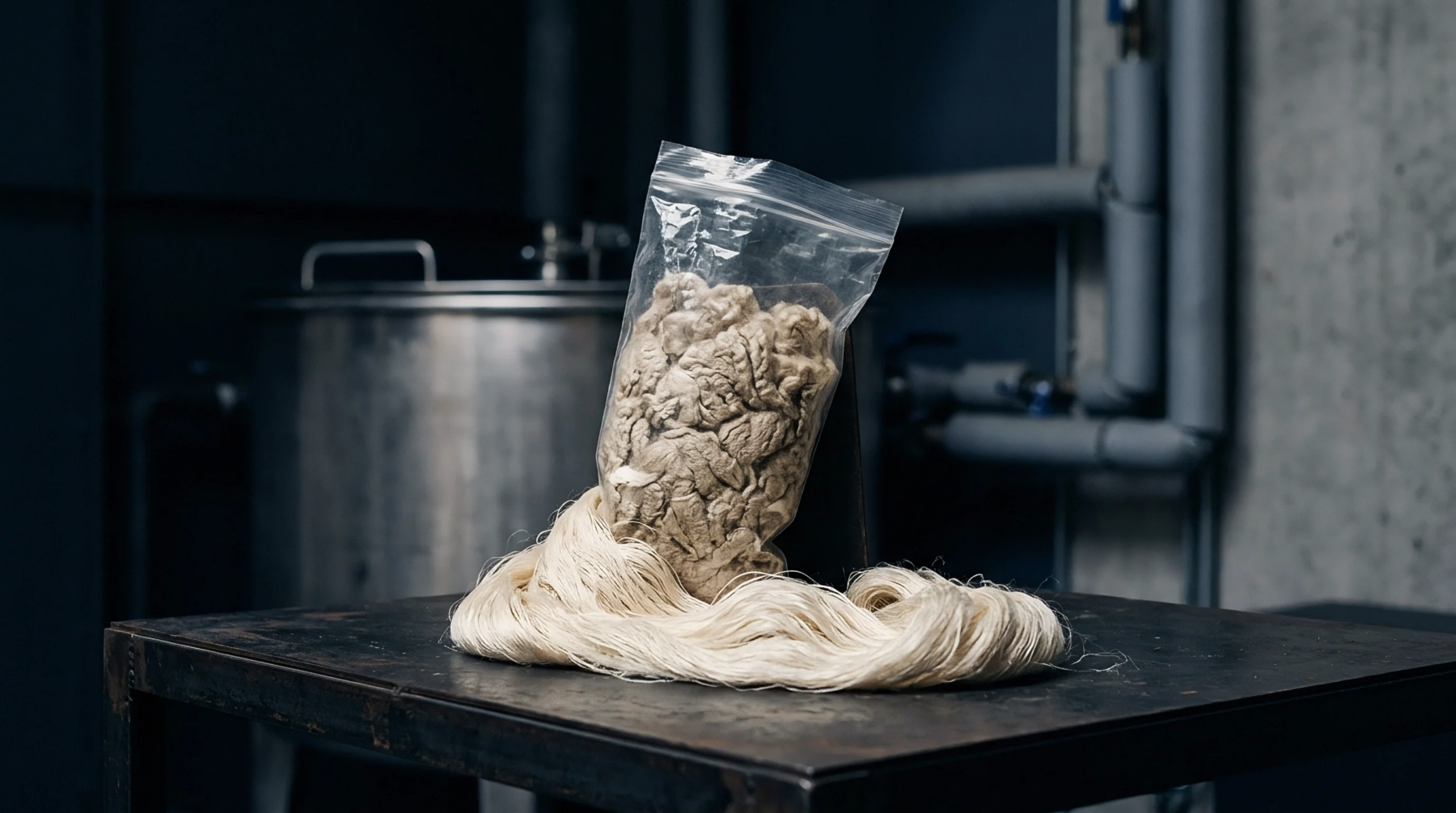
Liquid reagents composed of three parts acid to one part water provide the necessary strength for the destruction of cellulosic matter. In textile testing, sulphuric acid 75 percent acts as the primary agent for removing cotton, flax or viscose from blends with polyester or acrylic. Selective chemical action carbonizes the natural fibres, allowing them to be washed away during the filtration stage.
Precise mixing is required because higher concentrations might attack the synthetic fibres and lower ones may fail to remove the cellulose.
Reaction Mechanism
Adding the acid to the specimen triggers a rapid breakdown of the glucose chains within the plant-based fibres. Continuous stirring prevents the formation of clumps that might trap unreacted material. The process concludes when the solution becomes clear or the remaining synthetic structure is fully visible.
Filtering Stage
Separating the dissolved material from the intact residue involves rinsing the sample through a glass sinter funnel. Copious amounts of water and a dilute ammonia solution ensure the complete removal of the acid from the remaining polyester. Failing to neutralise the sample results in further degradation during the drying process.
Laboratory Safety
Extreme heat is generated when this liquid comes into contact with water, making the preparation of the reagent a hazardous task. Technicians must always add the acid to the water rather than the reverse to prevent splashing. Standard protocols require the use of chemical-resistant gloves and eye protection throughout the procedure.