Chemical Analysis
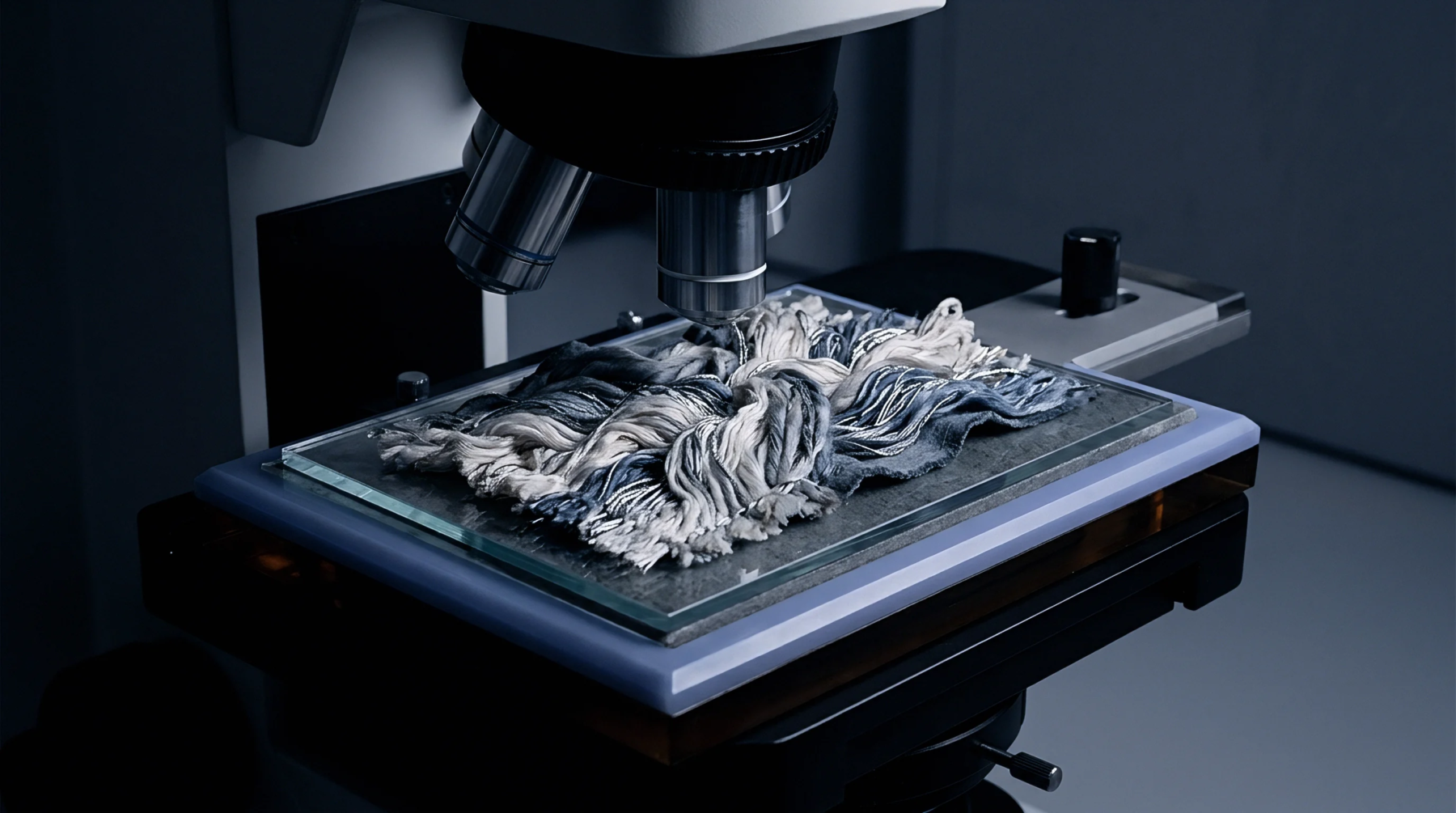
Acidic chemical digestion determines the cellulose content within blended textile materials by removing synthetic polymer components through controlled degradation. Sulphuric acid dissolution follows specific concentration and temperature protocols to isolate natural cellulosic fibres from polyester or polyamide carriers. Labs utilize this method to verify fibre composition claims against documented production specifications during quality audits.
Procedural Mechanism
Technicians submerge a weighed dry sample into a precisely prepared bath of concentrated sulphuric acid for a defined duration. The reagent selectively breaks down the amide or ester linkages in synthetic polymers while leaving cotton or regenerated cellulose intact. Filtration captures the remaining insoluble fibres for rinsing and subsequent drying.
Precision balance readings confirm the final mass, which represents the pure cellulosic portion of the original fabric assembly.
Technical Boundary
Temperature control remains the primary constraint during the application of this method because excess heat triggers thermal degradation of the cellulose itself. Variability in bath agitation alters the rate of synthetic polymer removal, which produces inconsistent results if the movement remains unregulated. This approach excludes materials containing acetate or triacetate fibres because these derivatives dissolve alongside synthetic counterparts in mineral acids.
Laboratory Verification
Textile mills apply the procedure to certify that finished goods align with stated fibre blend percentages prior to shipment. Auditors require these findings to identify mislabelled inventory that falsely promotes natural fibre content. Compliance with international standards mandates exact adherence to soak times to ensure the measured weight accurately reflects the chemical composition of the substrate.