Customs Class
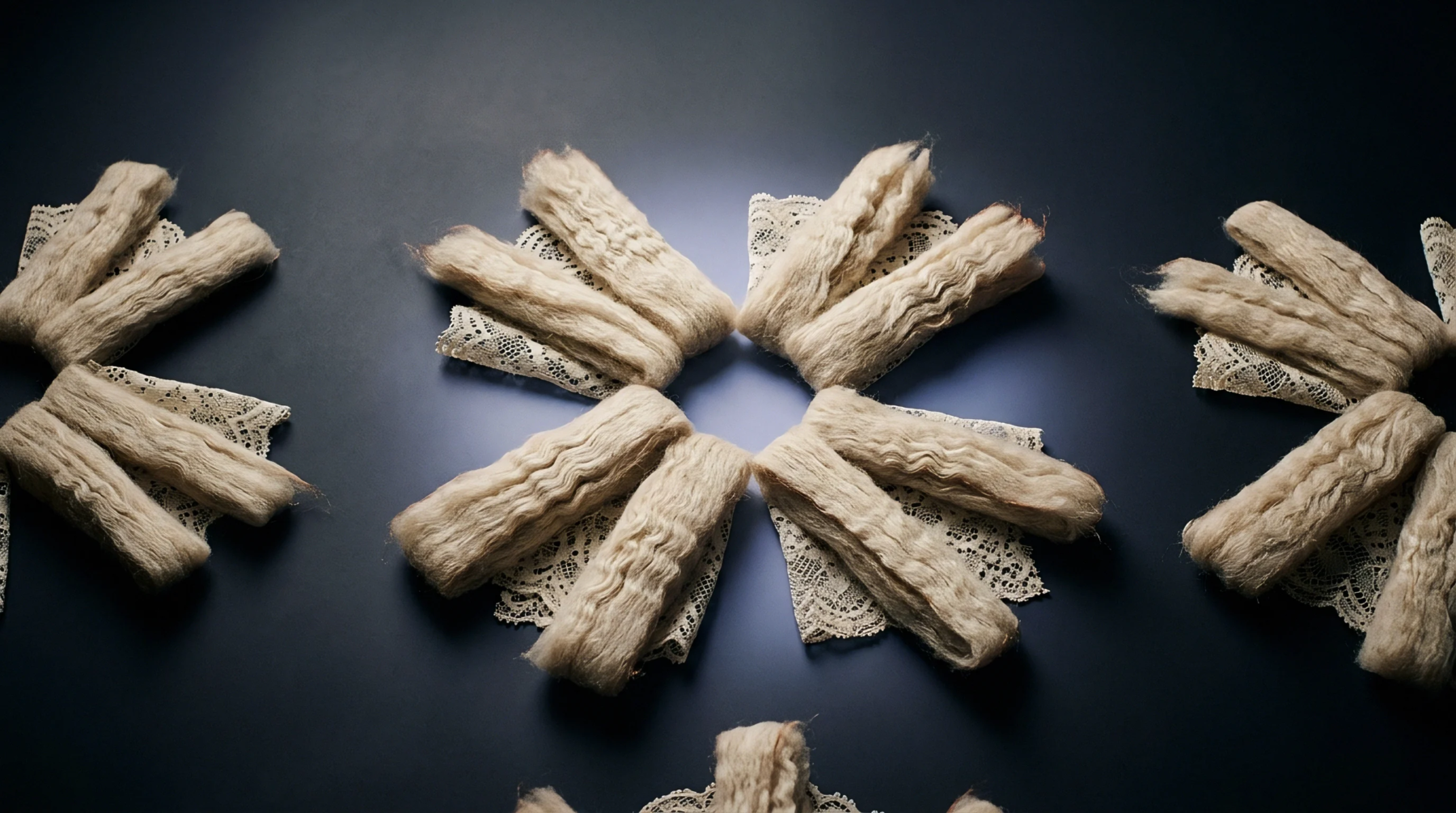
International trade classifications for cotton waste, including yarn waste and garnetted stock, are governed by a specific standardized legal code. For textile manufacturers and importers, Tariff Heading 5202 dictates the customs duties and trade rules applied to recycled cotton fibers. This classification excludes carded or combed raw cotton, focusing instead on the byproducts of spinning and knitting mills.
It ensures that mills importing waste material for recycling or non-woven production are taxed at the correct lower rate compared to virgin fiber.
Yarn Production
Processing mills use the low-cost fibers categorized under this code to produce coarse yarns for utility fabrics. The material is shredded and blended with synthetic fibers to give it enough strength for open-end spinning. Because Tariff Heading 5202 covers yarn waste, it represents a major raw material source for the global recycled apparel sector.
Global Trade
Trade verification at international borders requires strict documentation of the fiber processing history. Customs agents inspect the shipments to confirm the cotton is genuinely waste rather than virgin fiber mislabeled to bypass import quotas. This inspection prevents illegal trade practices and protects local agriculture.
Legal Boundary
Mechanical processing beyond simple tearing or garnetting moves the material out of this trade category. If the cotton waste is combed or otherwise prepared for spinning, it must be declared under a different tariff heading. This boundary is monitored to prevent finished roving from being imported under the lower waste tariff.