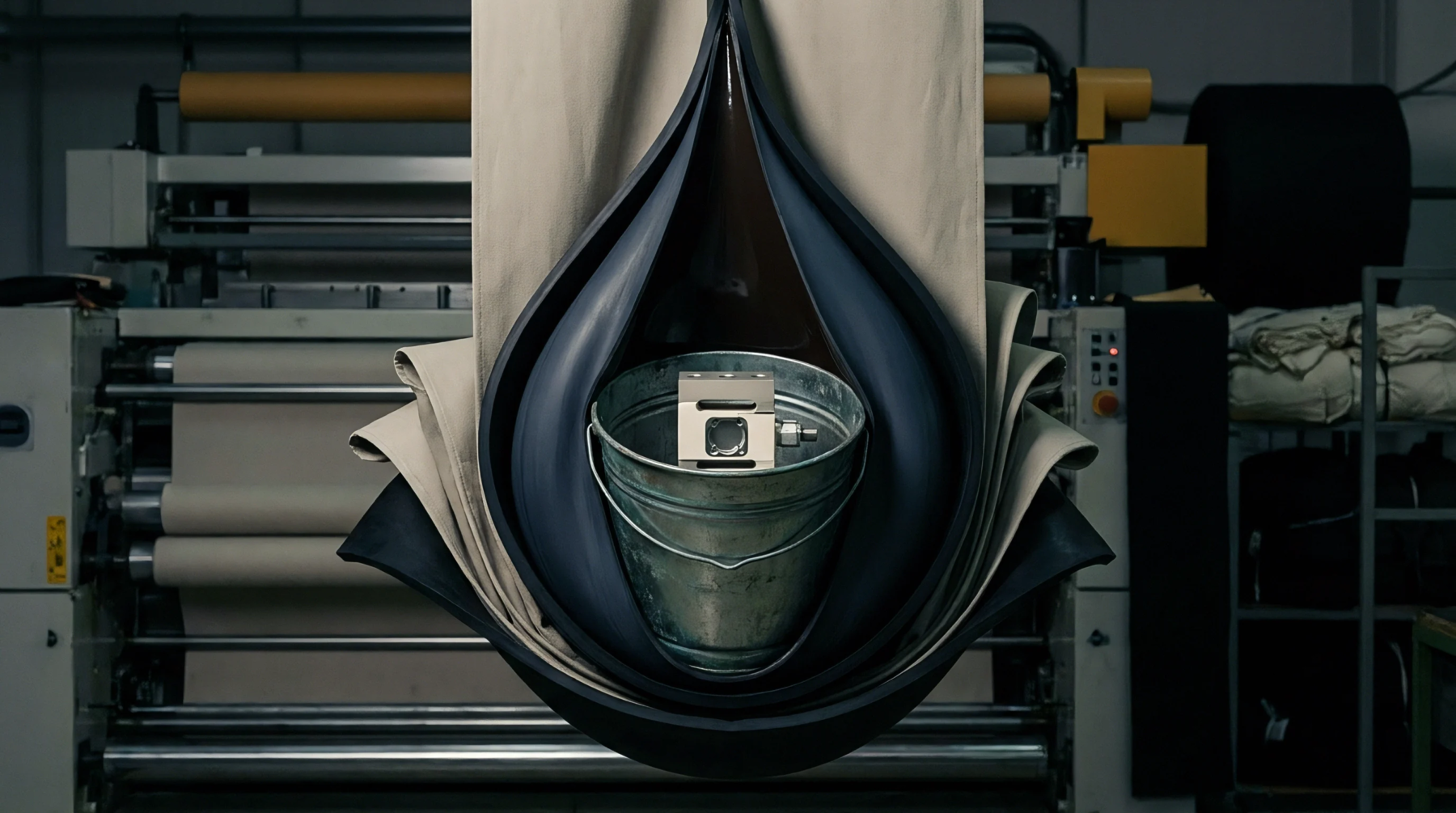
Separation Equipment
Mechanical cleaning units process raw cotton by opening compressed bales into smaller, manageable clumps. The tuft sorter uses a combination of spiked rollers and airflow to separate these tufts and expose any hidden contaminants. As the fiber moves through the machine, it is presented to a series of sensors for quality evaluation.
This stage is the final opportunity to remove foreign matter before the fiber reaches the carding process.
Centrifugal Force
Rotating cylinders spin at high speeds to throw heavier debris away from the lighter cotton lint. Inside the tuft sorter, the centrifugal action works alongside gravity to drop seeds, sand and metal fragments into a waste collection chamber. The speed of the cylinders must be adjusted to match the fiber length and the level of trash in the raw material.
Proper settings prevent the breakage of individual fibers while maximizing cleaning efficiency.
Fiber Waste
Minimizing the removal of usable lint is a key performance metric for any sorting system. A well calibrated tuft sorter targets only the contaminants, leaving the high quality cotton in the production stream. Excessive waste increases the cost of the yarn and reduces the overall yield of the mill.
Operators monitor the waste bins to ensure that the rejected material does not contain too much white cotton.
Cleaning Efficiency
Effectiveness of the process is measured by comparing the trash content before and after the machine. Modern versions of the tuft sorter integrate both optical and acoustic sensors to detect a wide range of impurities. This multi modal approach ensures that the final product meets the strict requirements of international textile brands.