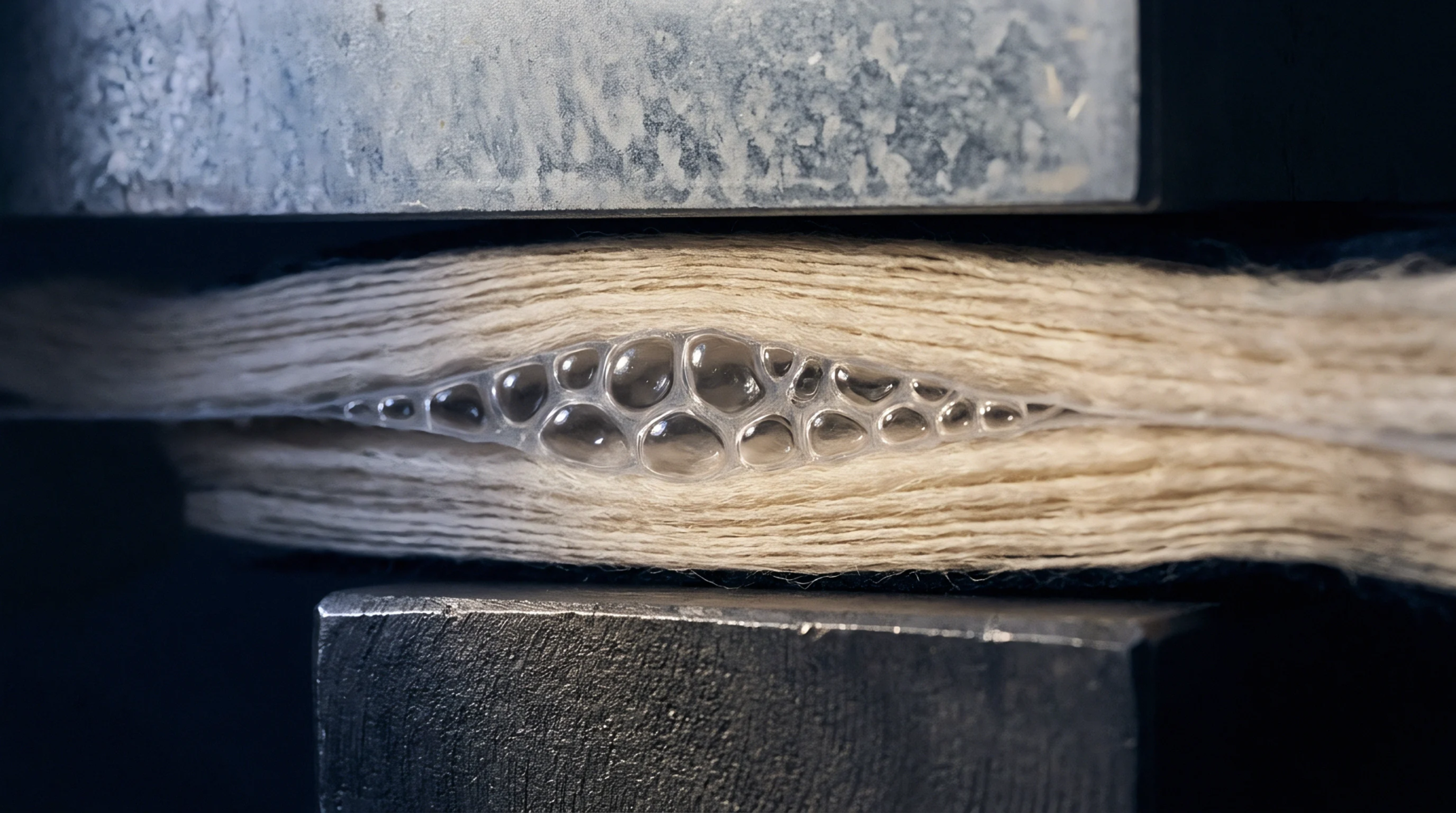
Combed Sliver
Continuous ropes of parallelized animal fibers emerge from the combing machine after the removal of short fibers and vegetable matter to prepare for worsted spinning. In the wool industry, wool top represents a semi-processed state where the fibers have been cleaned, carded and combed to ensure they are all aligned in the same direction. This product is the primary raw material for high-quality worsted yarns used in tailored suits and fine knitwear.
Mechanical Refinement
The production of the top involves several stages of mechanical cleaning to remove the grease, dirt and short fibers known as noils. During the combing process, the wool top is formed as the long, high-quality fibers are pulled through a series of fine metal teeth. This alignment is essential for creating a smooth, strong yarn that does not pill or fray easily.
The resulting rope of fiber is coiled into large cans or pressed into bumps for transport to the spinning mill. Because the short fibers have been removed, the top is much more uniform than the original raw wool. This uniformity allows for the production of very fine yarns with a high degree of luster and strength.
The thickness of the sliver must be kept constant to ensure that the final yarn has a consistent count. Manufacturers monitor the weight of the top per meter to prevent variations that could lead to defects in the fabric. This mechanical refinement is the hallmark of the worsted system, which produces the smoothest and most durable wool textiles.
Quality Parameter
The value of the material is determined by several factors, including the average fiber diameter, the length of the fibers and the presence of any remaining vegetable matter. Wool top is tested in a laboratory to certify its micron rating, which is the primary measure of its fineness and softness. A lower micron rating indicates a finer fiber that can be used for more expensive and comfortable garments.
The moisture regain of the top is also a critical data point, as wool is highly hygroscopic and can absorb a significant amount of water. The international standard for the commercial regain of wool top is eighteen point twenty-five percent. This figure is used to calculate the commercial weight of the shipment for invoicing purposes.
Buyers rely on these test certificates to ensure they are receiving the quality they have paid for.
Commercial Valuation
Trading of this material takes place on global commodity markets, where prices fluctuate based on the supply of raw wool and the demand from the textile industry. The wool top is the standard unit of trade for the worsted sector, and its quality is strictly regulated by international bodies. Accurate measurement of the fiber properties and moisture content is necessary for fair and transparent transactions.
Mills use the data from the top to plan their production and predict the characteristics of the finished fabric. The final performance of the clothing depends on the quality of the combing and the precision of the fiber selection. Reliable standards in the top industry support the production of world-class woolen goods.
Consistent quality at this stage is a fundamental requirement for the luxury textile market.