Structural Imperfection
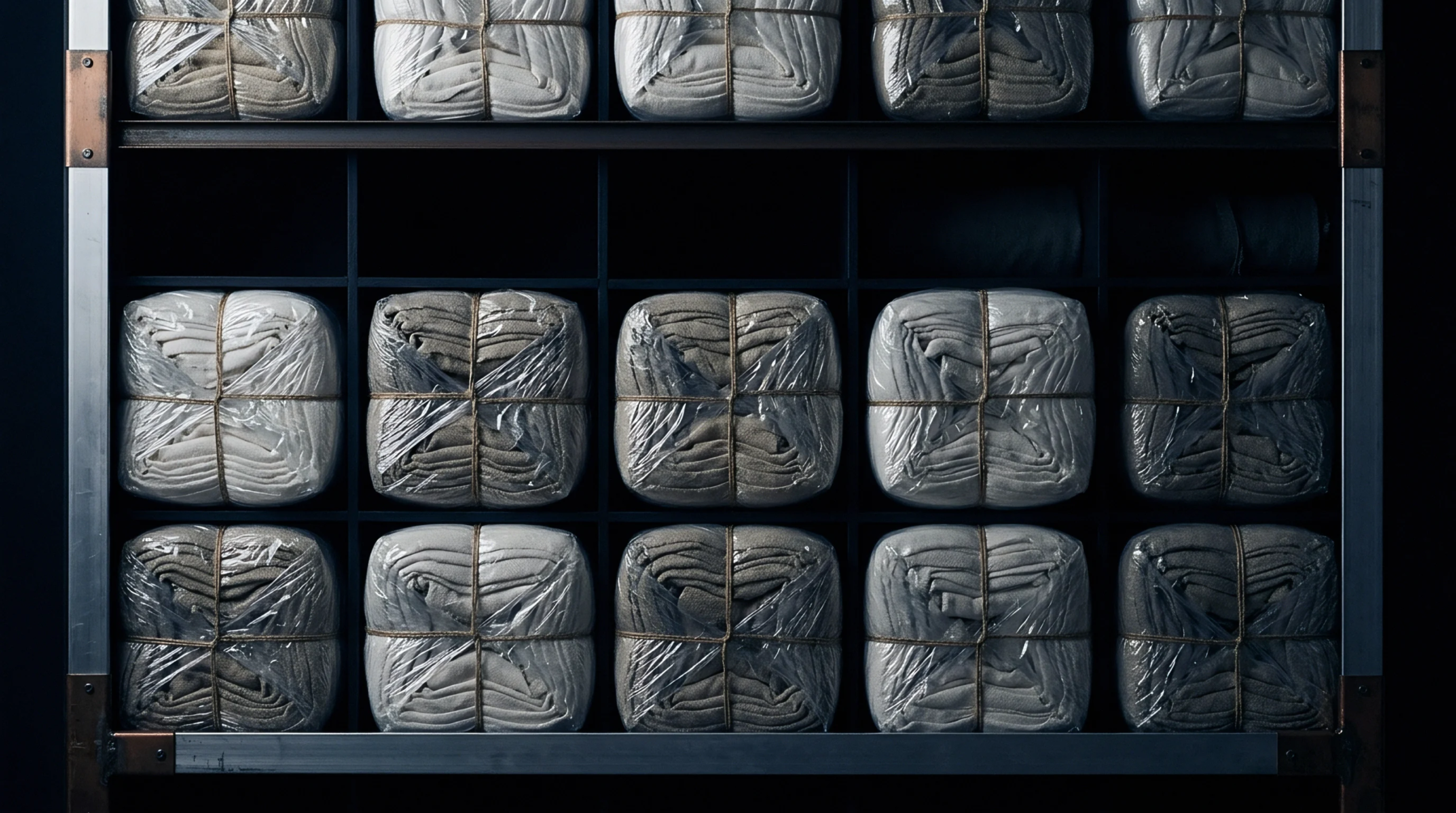
Dyeing anomalies in package-dyed yarns occur when tightly wound areas or mechanical obstructions prevent the dye liquor from penetrating the yarn bundle. These issues, known as yarn dye resist defects, result in undyed or lightly colored spots along the yarn length that become visible only after knitting. This leads to costly fabric rejection if the affected yarn is processed into garments.
Prevention Mechanism
The most common cause is excessive winding tension on the package, which compresses the yarn and closes the gaps between the fibers. This high density restricts the flow of the dye liquor, leaving the inner sections of the yarn package untouched by the dye. Other causes include the presence of residual spinning lubricants or wax that act as a barrier to the dye.
Industrial Detection
Quality control teams inspect yarn packages before and after the dyeing cycle to detect signs of uneven flow or high resistance. Density measurements are executed to ensure that packages are wound with a uniform and open structure. This testing minimizes the occurrence of undyed areas and ensures a consistent dye pick-up.
Process Limit
Visual inspection of the outer surface cannot detect internal resist spots that occur deep within the yarn package until the yarn is unwound during subsequent knitting or warping. To mitigate this risk, mills run test swatches from the center of selected packages before proceeding to bulk knitting. This step prevents the creation of defective fabric from a bad batch of yarn.