Regulatory Mandate
Mandatory safety regulations establish the minimum flammability requirements for apparel textiles sold in the United States to protect consumers from the dangers of highly flammable clothing. While 16 cfr 1610 covers most garments, it excludes specific items like hats, gloves, and footwear. This legislation requires all manufacturers to certify that their fabrics meet standardized safety thresholds before entering the retail market.
By enforcing these rules, the government reduces the risk of burn injuries and fatalities associated with accidental fire exposure. Compliance is verified through rigorous laboratory testing that simulates real world ignition scenarios for both natural and synthetic materials.
Ignition Procedure
Laboratory technicians follow a specific sequence to evaluate how quickly a flame spreads across a textile surface under controlled conditions. During the assessment of 16 cfr 1610, a standardized gas flame touches the specimen for exactly one second at a forty five degree angle. If the fabric has a plain surface, the burner interacts with the flat face of the material.
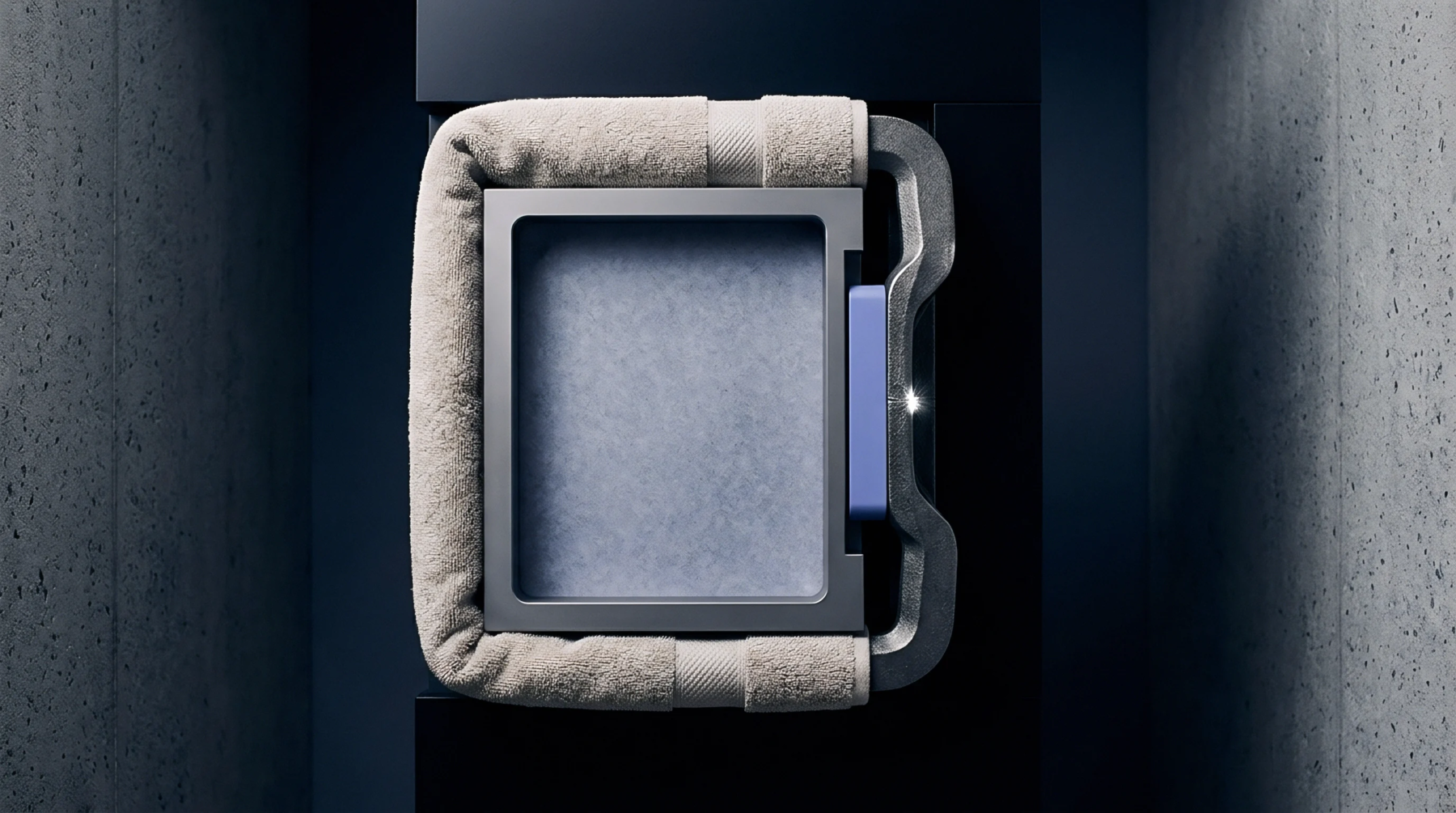
For raised fiber fabrics such as fleece, corduroy, velvet, or terry cloth, the flame is applied to the nap to test for surface flash. This rapid combustion of the surface pile can occur even if the base fabric remains intact, posing a unique risk to the wearer. The process continues until the flame reaches a stop cord or the material finishes burning.
Technicians must monitor the burn closely to record any unusual behavior like melting, dripping, or the formation of a char hole. Every observation is logged to ensure the material behaves predictably when exposed to heat.
Flame Classification
Digital timers measure the duration of the burn to determine the safety tier of the textile product based on its performance. When checking for 16 cfr 1610, a material that takes seven seconds or more to burn through its raised surface is categorized as class one. This classification indicates that the fabric is safe for general apparel use and meets the highest safety standards.
Class two is an intermediate level reserved for specific textiles that show moderate flammability but remain acceptable under certain conditions. Any fabric that burns faster than the allowed limit is designated as class three. These materials are deemed dangerously flammable and are strictly prohibited from being manufactured into clothing.
This categorization ensures that only textiles with a low risk of rapid fire spread reach the consumer.
Market Verification
Importers and domestic manufacturers must maintain detailed records of these laboratory results to provide the legal proof required for distribution. Failure to document 16 cfr 1610 compliance can lead to expensive product recalls and significant legal penalties from federal authorities. Buyers often demand a continuing guarantee from their textile mills to ensure that every production lot remains consistent with the original test specimens.
When a fabric fails a flammability check, the entire batch must be destroyed or used for non clothing purposes. These protocols are a necessary component of the quality assurance process for any textile firm operating in the American market. Maintaining a valid certificate of compliance is the final step before goods are released to the public.