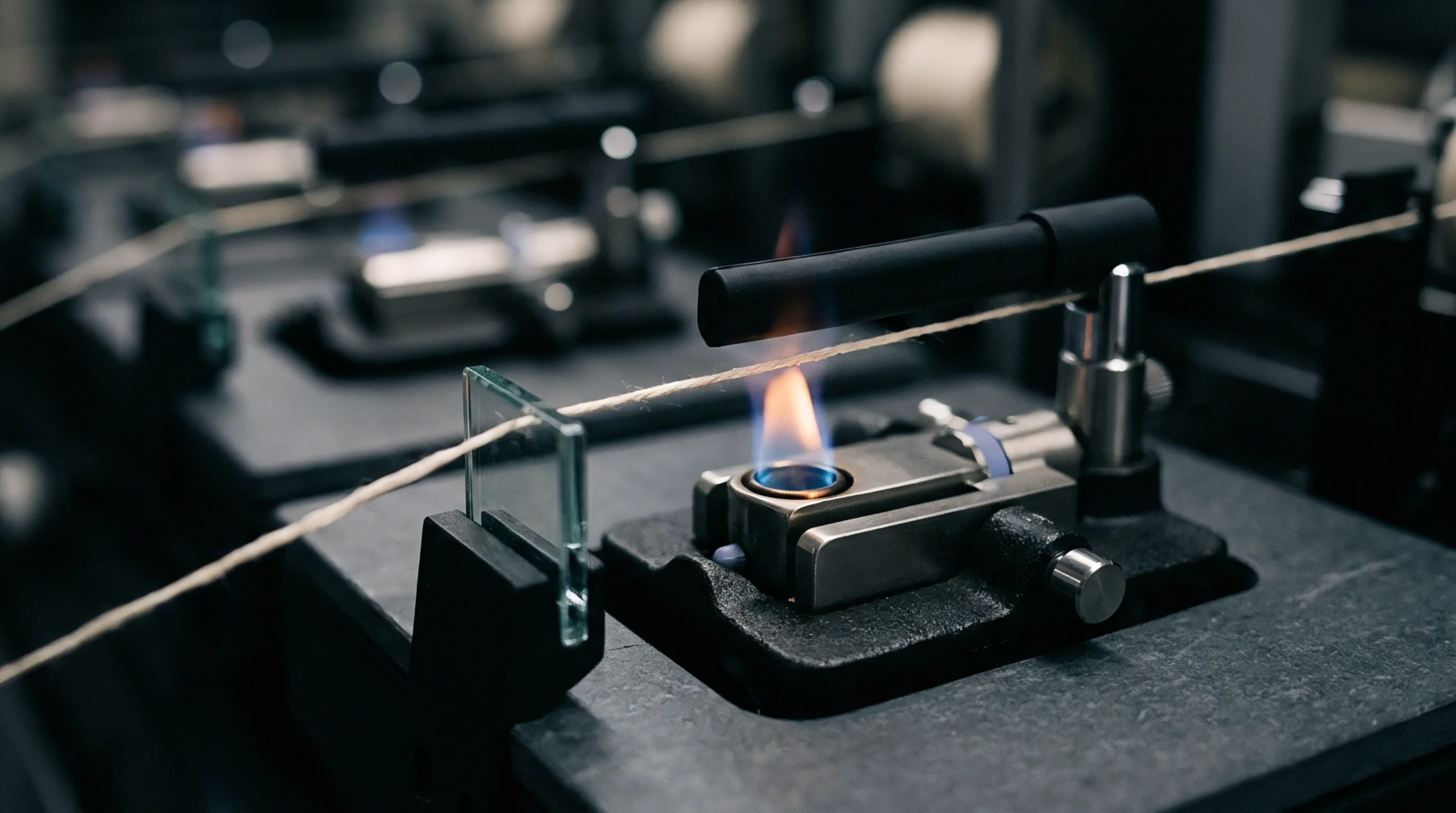
Resin Application
Synthetic polymer layers provide structural integrity to textile fabrics by bonding filaments at their crossover points. An acrylic back-coating creates a physical barrier on the reverse side of the material to prevent fibre migration while improving dimensional stability. This chemical treatment also modifies the hand feel of the fabric to achieve a specific level of firmness desired for upholstery or industrial applications.
Process Requirement
Fabric undergoes a knife over roll or calendar finishing stage to receive this viscous compound. Operators control the viscosity of the polymer dispersion to determine the weight of the film deposited on the substrate surface. Precise drying temperatures ensure the monomers undergo complete polymerization without damaging the underlying fibres.
High heat levels during the curing stage drive off water or solvent carriers to form a durable bond.
Performance Limitation
Physical properties change once the material sets into a semi-rigid film. Moisture vapor transmission rates decrease significantly as the non-porous coating seals the interstices between yarns. Static electrical buildup remains a potential consequence when the polymer dries into an insulating layer.
Friction against foam or other padding materials might generate noise if the surface remains tacky after processing.
Verification Standard
Quality control teams evaluate the coating uniformity through light box inspection and weight differential measurements. Technicians compare the mass of a measured specimen before and after the application of the polymer to calculate add-on percentages. Accelerated aging tests expose the finished piece to elevated temperatures to identify any tendency for the film to crack or yellow over time.
Success in this validation process confirms that the treatment meets the intended mechanical load resistance.