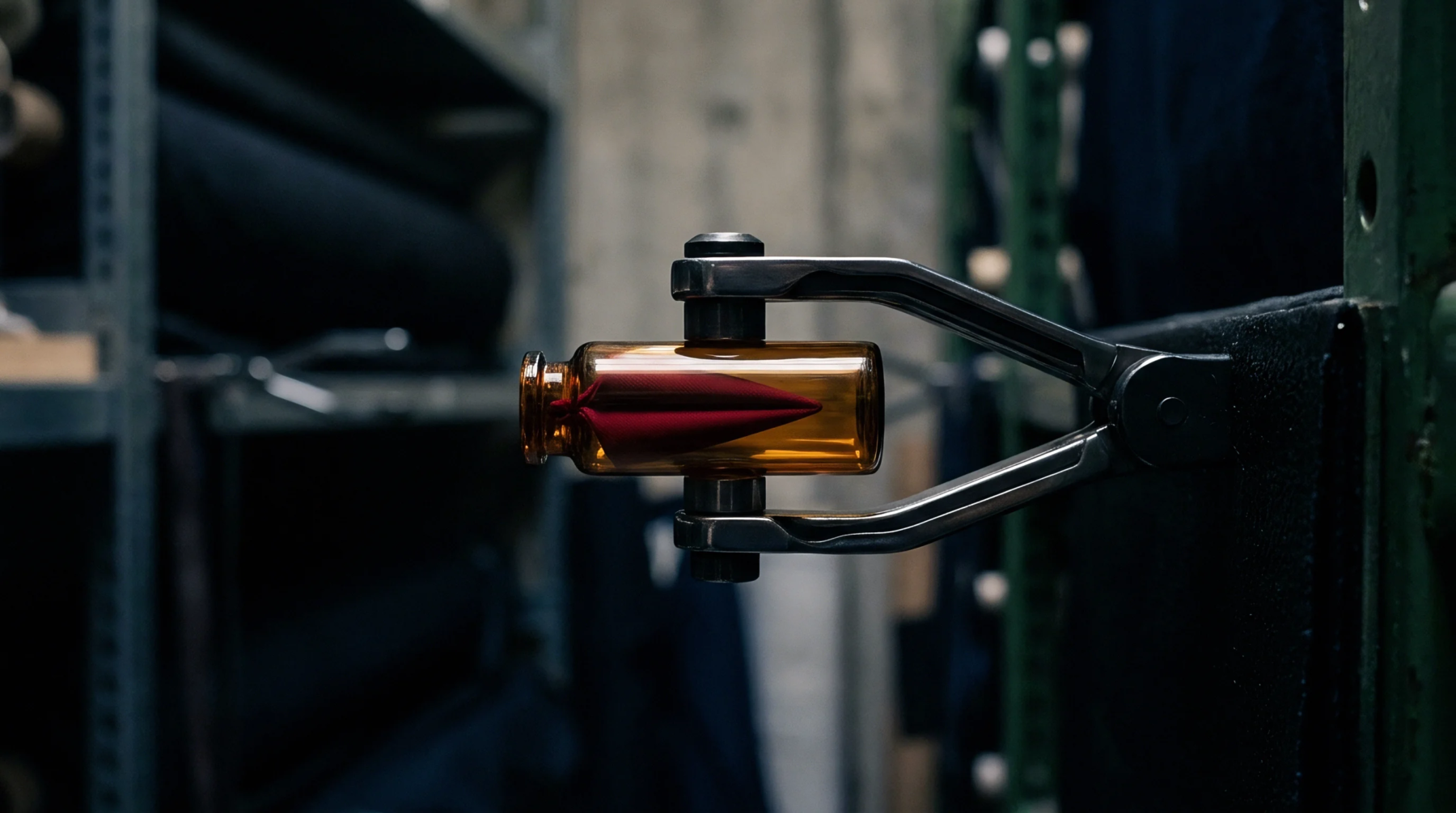
Delivery Mechanism
Industrial equipment designed for the controlled introduction of liquid chemicals or dyes into a treatment vessel provides high repeatability in wet processing. Automated dosing achieves this by utilizing pressurized pipelines, flow meters, and pneumatic valves connected to central storage tanks. This setup minimizes manual handling errors and reduces chemical waste in the dyehouse.
Operating Principle
Digital control systems regulate the pneumatic valves and pumps to execute precise recipe schedules. Volumetric delivery relies on flow meters that send digital signals to the central processor, adjusting the rate of liquid movement instantly.
Process Control
Quality standards in modern dye houses demand that chemical addition follows a non-linear curve to prevent uneven absorption on the fabric. During the starting phase of the cycle, automated dosing holds back the concentrated chemical to avoid localized oversaturation, then accelerates the flow as the bath reaches equilibrium. This controlled ramp rate prevents splotches and uneven shades across the textile run.
Technical Limit
Viscosity variations caused by temperature changes in the storage area can alter the calibration of the flow sensors. When these changes occur, the control system must adjust its pump pressure to maintain the scheduled delivery rate. Standard maintenance requires weekly calibration checks against a physical weight measure to verify the digital reports.