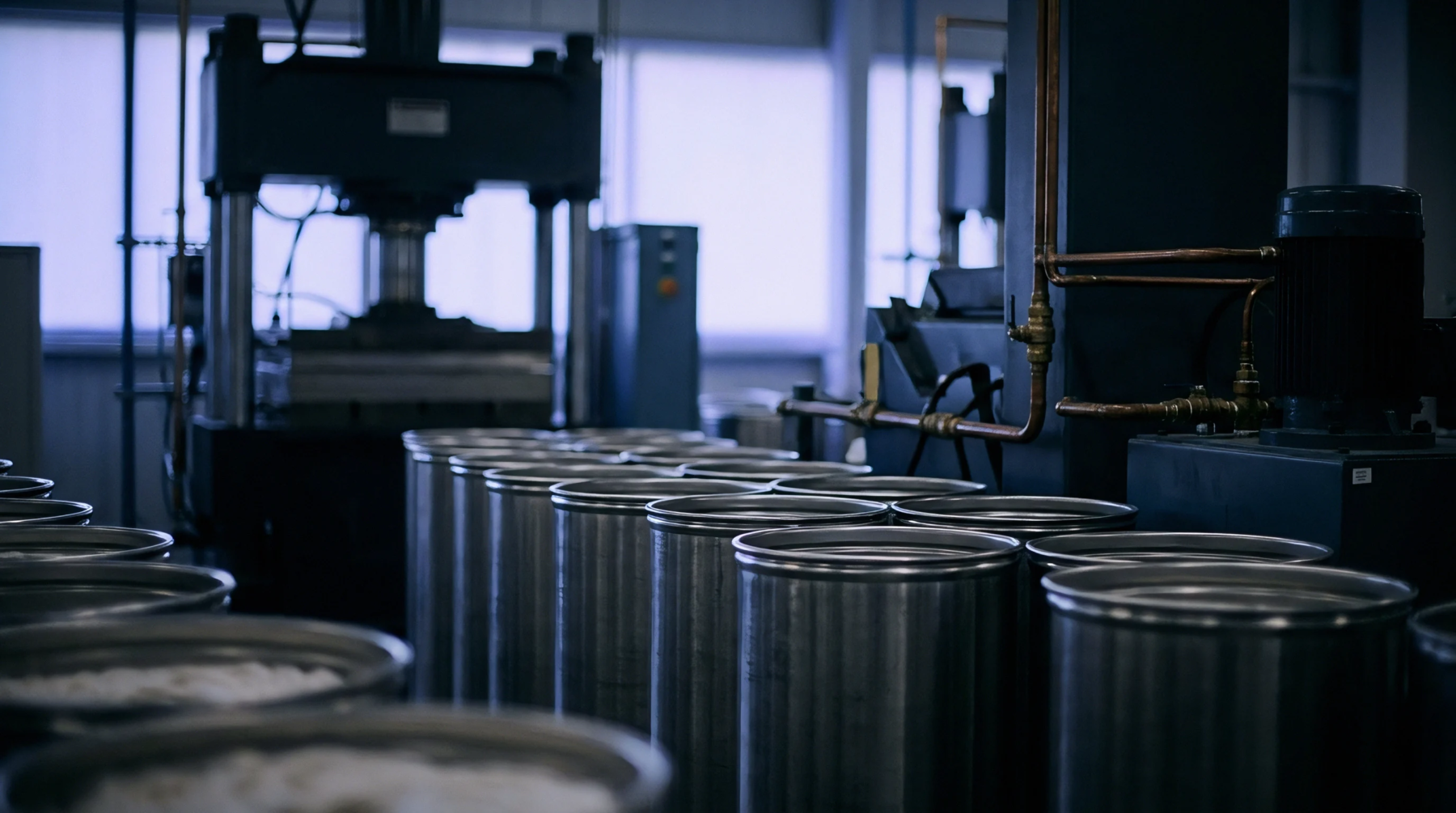
Hydraulic Adjustment
Flow regulation during extrusion or polymer melt processing corrects internal pressure fluctuations by modulating pump speed against downstream resistance. Constant backpressure compensation maintains stable output volume when polymer viscosity shifts or filter screens accumulate debris. This mechanism relies on real time pressure sensors located immediately before the spinneret.
Precise synchronization between the extruder screw rotation and the gear pump discharge pressure minimizes thickness variations in synthetic filaments.
Operational Stability
Consistent delivery rates depend on steady melt flow throughout the production line. Sudden spikes in filter resistance cause flow reduction in systems lacking this feedback loop. Engineers install pressure transducers to monitor these deviations during long production runs.
Dynamic adjustments ensure the melt density remains uniform as the material passes through the die.
Control Logic
Software algorithms interpret incoming voltage signals from sensors to calculate necessary motor torque changes. Fast response times allow the system to neutralize oscillation before product dimensions deviate from tolerance. High frequency sampling improves the granular control of extrudate properties during high speed spinning.
Boundary Condition
Calibration requirements define the limit of effective pressure modulation within the hardware range. Excessive buildup beyond the operational threshold necessitates manual intervention or component replacement regardless of electronic correction. Proper configuration prevents mechanical failure of the manifold seals during high viscosity processing cycles.