Alkaline Standard
Aqueous reference solutions composed of boric acid and sodium hydroxide provide stable hydrogen ion concentrations in the alkaline range between pH 8.0 and pH 10.2. Calibration of laboratory pH meters used in textile wet processing relies on borate buffer solutions to verify glass electrode responses before measuring alkali liquor concentrations. The chemical system resists pH changes caused by minor atmospheric carbon dioxide absorption or minor dilution during routine laboratory testing.
Boric Balance
Temperature changes induce predictable shifts in hydrogen ion activity within the solution. A standard laboratory calibration performed at twenty degrees Celsius shifts slightly when ambient dyehouse temperatures reach thirty degrees Celsius. Electrodes calibrated without temperature compensation introduce errors into subsequent wet processing bath measurements.
Dyehouse Buffer
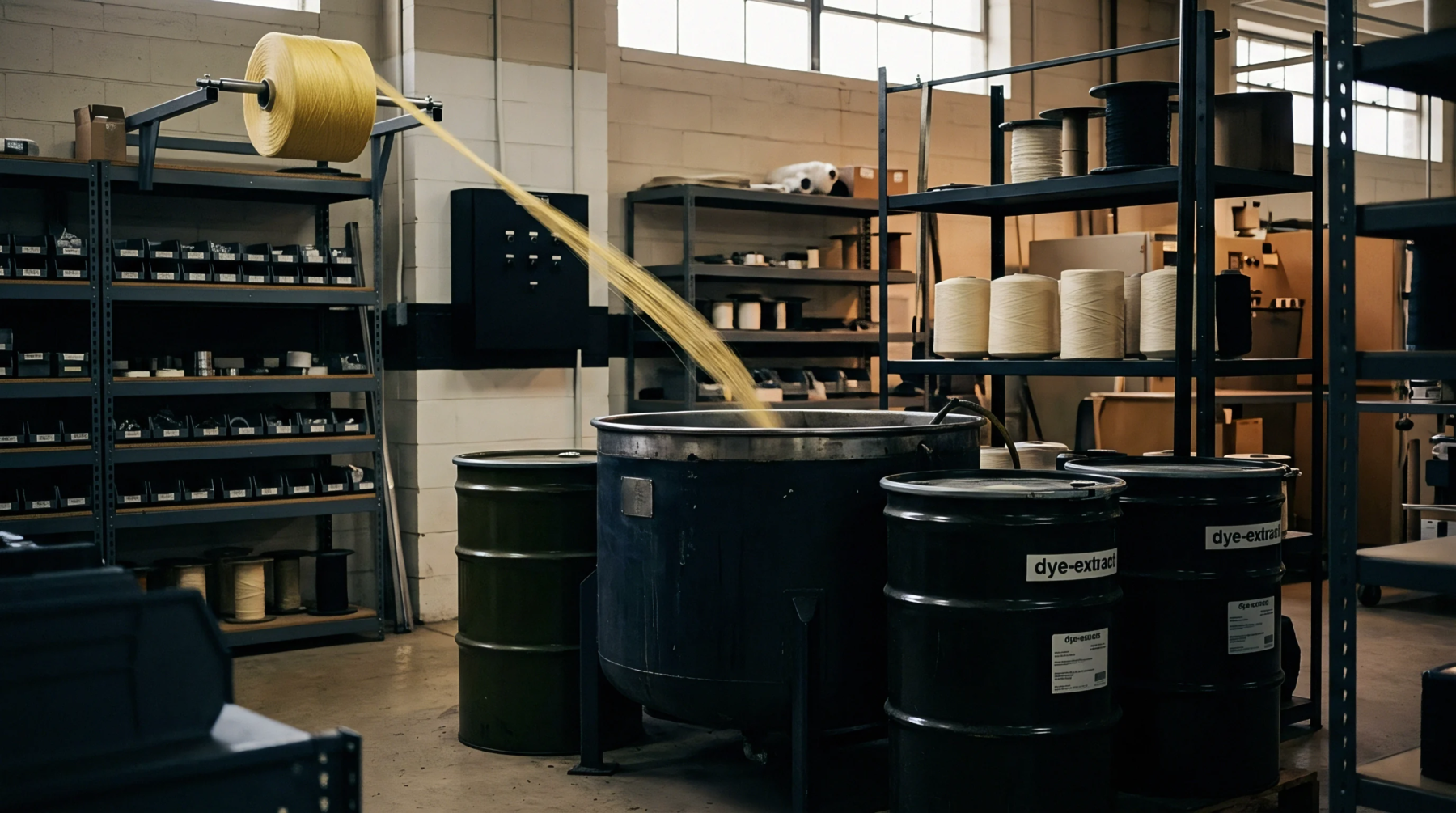
Reactive dyeing of cellulosic fabrics requires strict control of alkaline bath conditions to ensure proper covalent bonding between dye molecules and hydroxyl groups on the cotton fiber. Using borate buffer compounds in laboratory recipe development helps establish target fixation conditions without introducing aggressive sodium hydroxide concentrations that risk fiber degradation. High ionic strength in the liquor accelerates dye exhaustion while maintaining stable bath alkalinity across long boiling cycles.
Mill laboratories verify these formulations against standard spectrophotometric shade recordings before committing bulk yarn lots to production runs.
Borate Drift
Buffer capacity declines rapidly when the working solution pH moves more than one unit away from the logarithmic acid dissociation constant of boric acid. Contamination with heavy metal ions or strong oxidizing agents alters the equilibrium state of the borate species. Reagent degradation occurs over extended storage periods, requiring certified reference materials for formal compliance audits.