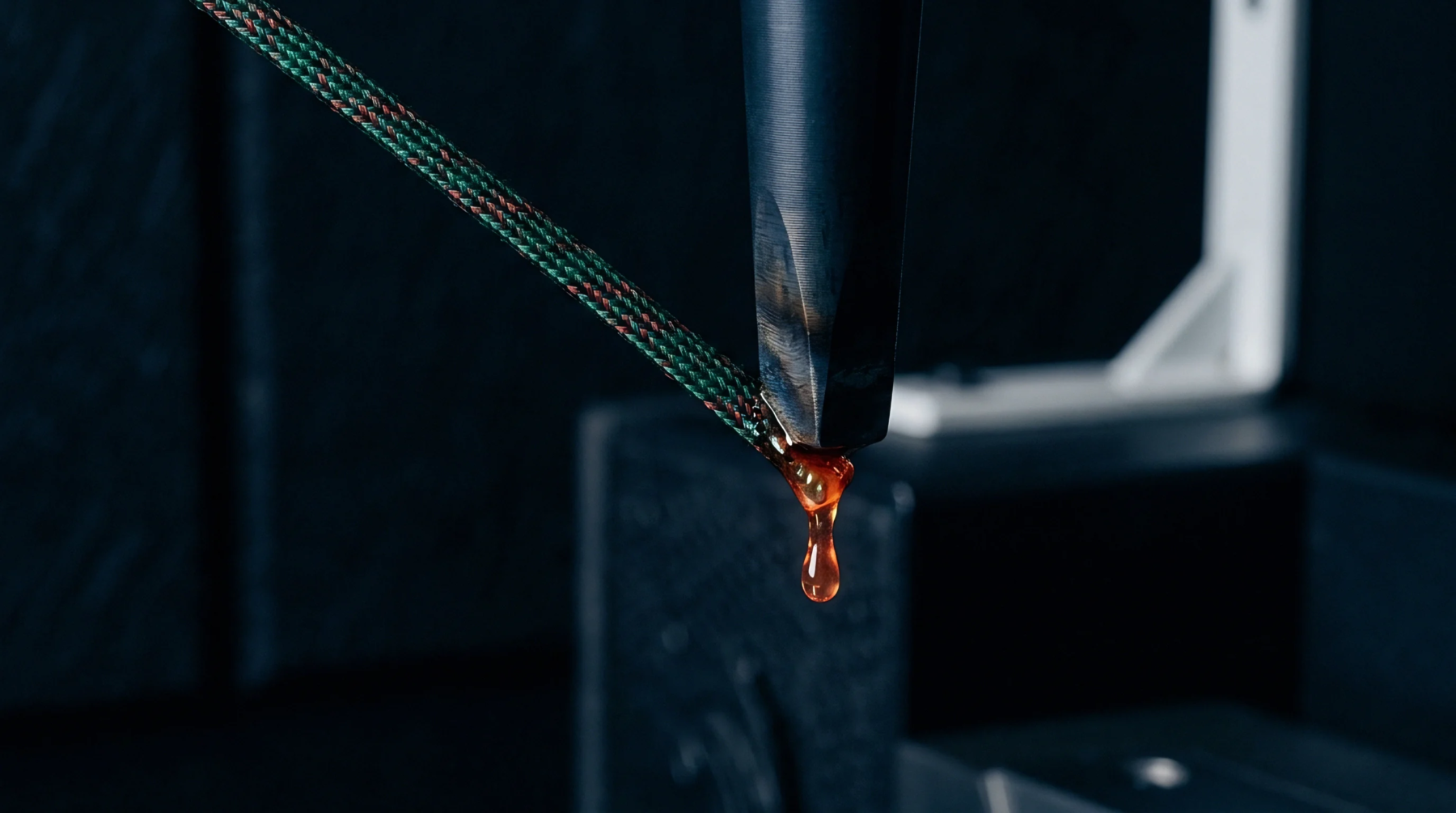
Thermal Emission
The physical release of monomeric particles from polyamide polymers into the surrounding atmosphere occurs during high temperature processing stages of textile manufacturing. Caprolactam volatilization represents a specific chemical transition where solid or liquid lactam chains convert into a gaseous state under heat exposure. This phenomenon primarily affects the production of nylon 6 fibres during melt spinning and heat setting operations.
Factories monitor these invisible gas discharges to maintain worker safety and ensure the chemical composition of the extruded filament remains consistent. The transition happens when temperatures exceed the boiling point of the cyclic amide compound while the polymer resin remains in a molten phase. Precise climate control and ventilation engineering prevent the accumulation of these airborne agents near spinning heads.
Processing Baseline
Chemical monitoring programs track the quantity of airborne residue that escapes during yarn extrusion to verify compliance with emission limits. High rates of caprolactam volatilization lower the physical properties of the resulting yarn by creating voids or structural weaknesses within the filament cross section. Operators measure the concentration of these vapours using gas chromatography or specialized suction filter units installed at the draw zone.
Excessive losses suggest the material moisture content is too high or the heating profiles exceed thermal stability thresholds for the polymer grade. Effective recovery systems collect the vapour from the exhaust stream to prevent environmental discharge and recycle the captured material back into the production cycle.
Thermal Sensitivity
Nylon 6 polymer chains break down when subjected to prolonged heat, causing the molecular weight to shift during manufacturing. When caprolactam volatilization increases, the mass balance of the fibre formation process becomes unstable. This loss alters the draw ratio capabilities and changes the tenacity of the final synthetic goods.
Production logs record these fluctuations to adjust the temperature settings of the spinning beams. Consistency in these heat profiles guarantees that the polymer maintains the required viscosity for consistent filament diameter.
Material Integrity
Quality control laboratories evaluate the presence of residual monomer in the fabric after the finishing stages to determine if volatile loss damaged the material structure. Fabrics that experience high levels of caprolactam volatilization during production often show inconsistent dye uptake due to the altered distribution of end groups along the polymer chain. Dye houses conduct extraction tests on finished rolls to confirm the removal of leftover chemical species before wet processing begins.
Low residual monomer counts correlate with stable fibre performance and uniform colour depth across entire production runs. Tight control over these emissions prevents the formation of surface deposits on yarn packages that interfere with downstream knitting or weaving efficiency. Uniformity in monomer concentration across the fibre surface remains the primary marker for a stable and high quality textile extrusion.